You have been told for years that turning on two-factor authentication is one of the best things you can do to protect your accounts, and that part is true. What almost nobody tells you is that the most common form of it, the six-digit code texted to your phone, is also the weakest. It feels secure because there is an extra step, and an extra step is better than nothing. But the method has real holes, and the people who break into accounts know exactly where they are. If you are relying on texted codes as your main line of defense, you are safer than someone with no second factor at all, and far less safe than you think.
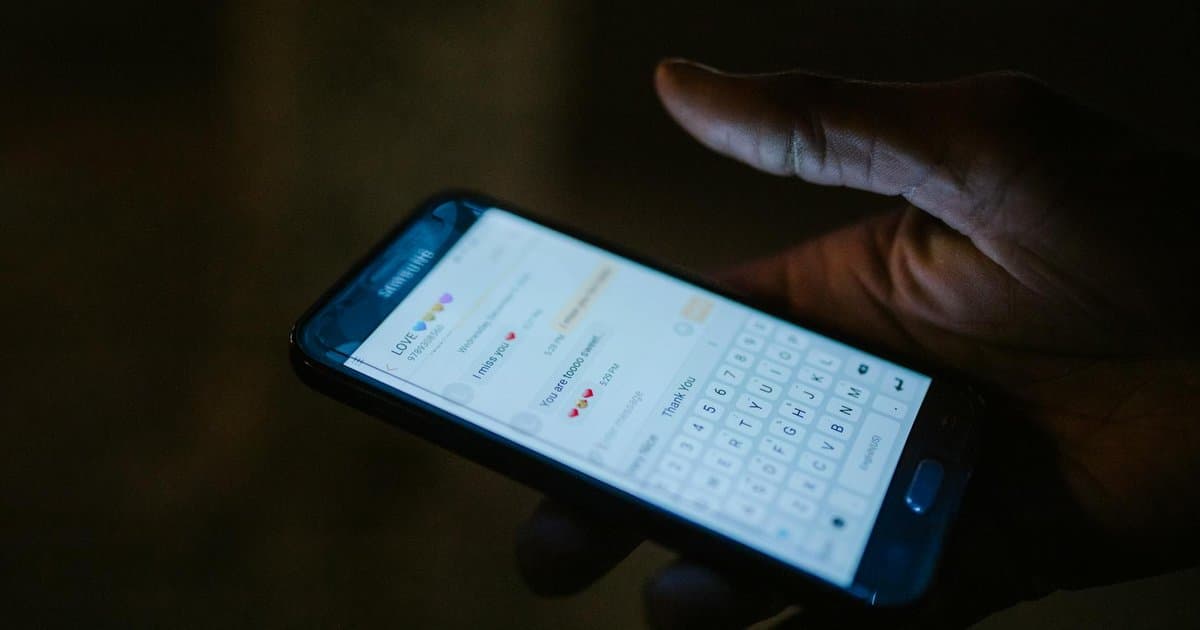
The biggest weakness is something called SIM swapping, and it does not require any clever hacking of your phone. An attacker gathers a few pieces of your personal information, calls your mobile carrier pretending to be you, and convinces a support agent to move your number to a SIM card they control. The moment that transfer goes through, every text meant for you, including your security codes, arrives on their device instead. They then walk through the password reset and code verification on your accounts as if they were you. Your phone simply goes dark, and by the time you realize you have no service, the damage is often already done.
Text codes are vulnerable in quieter ways too. The underlying network that routes text messages was designed decades ago and was never built with this kind of security in mind, which means messages can sometimes be intercepted in transit. Codes also show up on your lock screen as a preview, so anyone who can see your phone for a moment can read them without unlocking it. And phishing sites have gotten good at asking for the code right after they trick you into entering your password, passing it along to the real site in real time. In each case, the code does what it was supposed to do. It just does it for the wrong person.
The fix is not to turn off two-factor authentication. The fix is to move to a stronger version of it. An authenticator app, the kind that generates a rotating code on your device every thirty seconds, solves most of these problems at once. The code never travels across the phone network, so it cannot be intercepted or redirected through a SIM swap. It lives on your specific device rather than your phone number, which means moving your number does nothing for an attacker. Setting one up takes a few minutes per account, and from then on you open the app instead of waiting for a text.
Stronger still are physical security keys, small devices that plug into your phone or computer and confirm your identity with a tap. These are essentially immune to phishing, because the key checks that it is talking to the real website before it does anything, so a fake login page gets nothing even if you are fooled into visiting it. For most people, a security key is worth it on the few accounts that matter most, your primary email and your main financial logins. Your email especially deserves the best protection you have, because whoever controls your email can reset the password on almost everything else you own.
If switching every account feels like too much at once, start where the stakes are highest and work outward. Protect your email first, then your bank and any account tied to your money, then everything else over time. Wherever an account offers an authenticator app or a security key as an option, choose it over text codes. Keep text-based codes only on the accounts that offer nothing better, because some second factor still beats none. The point is to stop treating the texted code as the finish line when it is really the entry level.
It is worth saying plainly that none of this should make you abandon two-factor authentication or feel that security is hopeless. The vast majority of break-ins still happen to accounts with no second factor at all, or with passwords reused across a dozen sites. Adding any second step puts you ahead of most people. The argument here is simply to not stop at the weakest version and assume the job is done, because the false confidence is its own risk. People who believe they are fully protected take chances they would not otherwise take.
Spend twenty minutes this week on the handful of accounts you could not stand to lose. Move them off text codes and onto an authenticator app or a key, and turn on alerts so you know the instant someone tries to log in. The texted code was a reasonable first step for an earlier era, and it is still better than nothing. It is just not the wall you have been picturing, and the gap between what it feels like and what it actually does is exactly the space an attacker is counting on.