There is a quiet assumption in a lot of faith communities that more involvement means more faith. The people who serve on three teams, show up to every event, and never say no are held up as the most committed. And service is good, nobody is arguing against showing up for your community. But there is a trap hiding in all that activity, one that good and sincere people fall into all the time. It is possible to be busier than ever at church and further from God than you have been in years. The doing can quietly take the place of the relationship it was supposed to come out of.
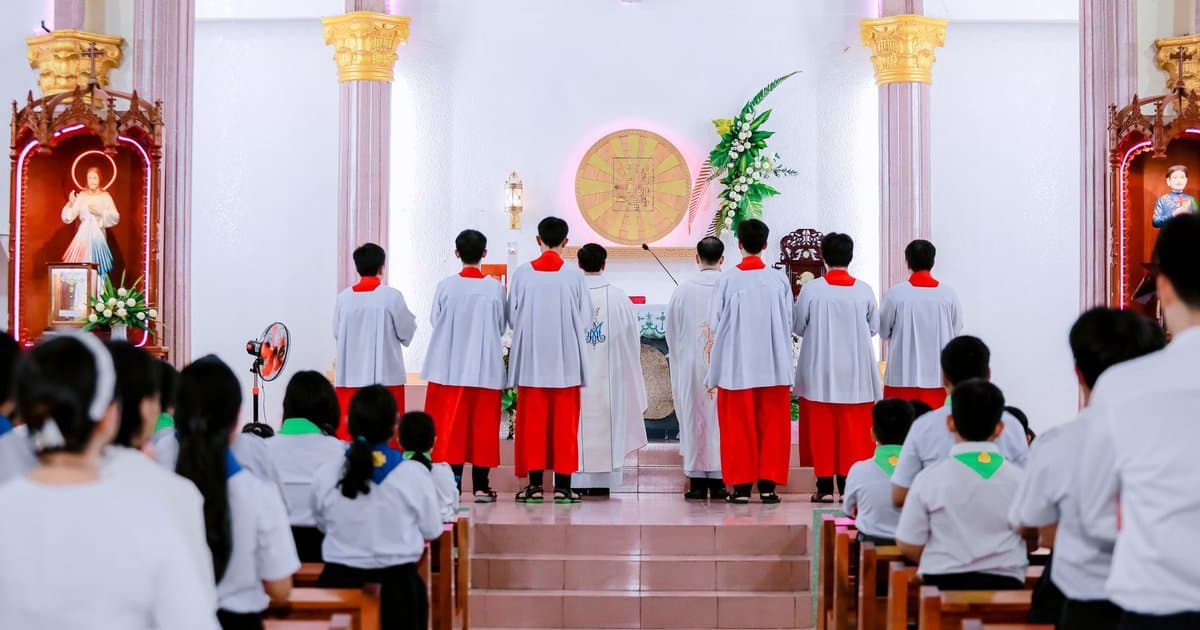
Here is how it happens. You start volunteering because you love God and want to serve. Over time the tasks pile up, the calendar fills, and the work itself starts to demand all your attention. You go from praying about the ministry to just running it. Sunday becomes a shift you work rather than a day you worship, because you are setting up chairs, watching the clock, and managing other people. The activity that was meant to flow out of your faith slowly becomes a substitute for it. You are surrounded by spiritual things and starving spiritually at the same time.
The reason this is so easy to miss is that it looks like the opposite of a problem. Nobody pulls aside the person who serves too much to warn them. You get praised, thanked, and leaned on more, which only reinforces the pattern. Meanwhile the private parts of faith, the quiet prayer, the unhurried reading, the simple sitting with God without an agenda, get squeezed out because they do not show up on anyone's schedule. They feel less urgent than the event this weekend, so they keep getting postponed. And a faith that is all public output and no private input runs dry sooner than you would expect.
You can see this pattern in the old stories too. There is a well-known moment where one sister is frantic with serving and preparation while the other simply sits and listens, and it is the one who sits who is told she chose the better thing. That is a hard teaching for anyone wired to be useful, because being useful feels so much more responsible than being still. But the lesson is not that work is bad. The lesson is that closeness comes first, and the work is supposed to flow from it, not replace it. When the order gets reversed, even good service starts to crowd out the very thing it was meant to express.
None of this is a reason to quit serving and disappear. The fix is not less commitment, it is the right kind of commitment in the right order. It means guarding the quiet time with God the same way you guard the meeting you would never skip. It means being honest about whether your activity is feeding your faith or slowly draining it. Sometimes that looks like stepping back from one role so you have room to actually breathe. Sometimes it just looks like protecting a few minutes each day that belong to God and nobody else, before the tasks start asking for you.
It also helps to check your own heart about why you say yes. If you are serving because you genuinely love it and it flows from a full place, that is a good sign. If you are serving because you feel guilty saying no, or because being needed has become how you prove your worth, that is worth paying attention to. A lot of burnout in faith communities is not really about being overworked. It is about people pouring out from a cup that nobody is refilling, including themselves. You cannot give from a place you are not first receiving from, and pretending otherwise just delays the crash.
The point is not to do less for God. The point is to make sure that all the doing is still connected to actually knowing him, because the two can quietly drift apart. A full calendar is not the same as a full heart, and it is possible to mistake one for the other for a long time. Faith was never meant to be measured by how many roles you carry or how rarely you sit down. It was meant to be a relationship, and relationships need presence, not just performance. So if you have been running hard and feeling strangely empty, it may not be a sign to push harder. It may be an invitation to stop, sit down, and let yourself be filled again.