You can spend a fortune on clothes and still look like you got dressed in the dark. The thing that separates a person who looks put together from one who looks rumpled is almost never the brand or the price. It is fit. A modest shirt that sits right on the shoulders reads as more expensive than a designer piece hanging off the frame. Most people have this backwards. They keep buying new things hoping the next purchase will finally look good on them, when the answer was a small adjustment to the clothes they already own.
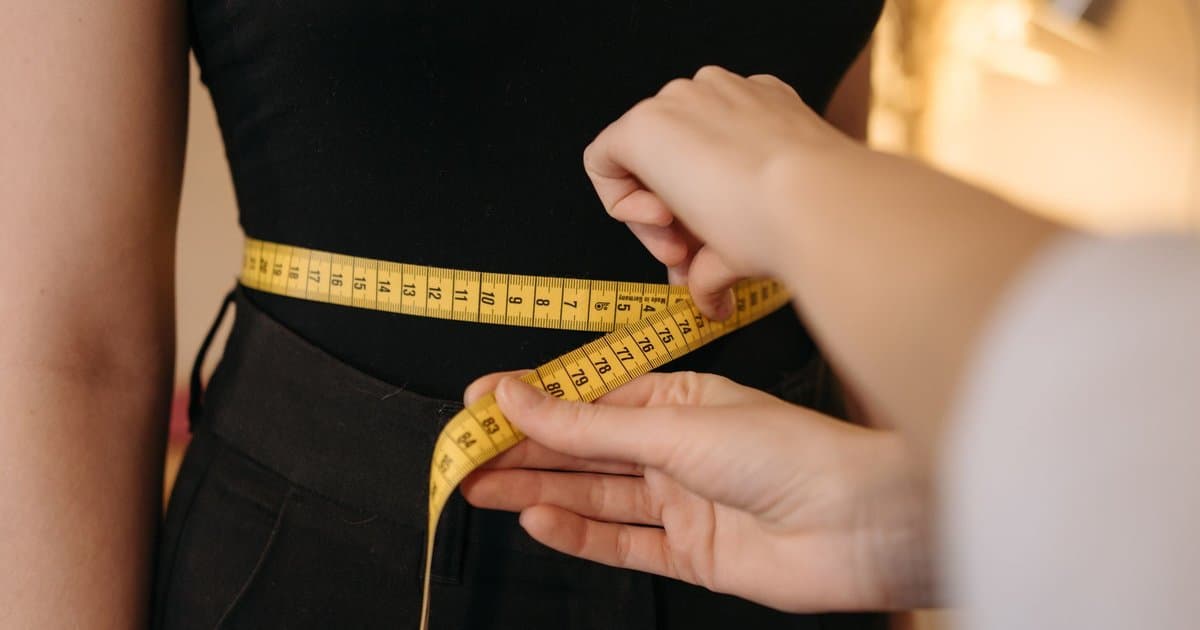
Off the rack clothing is built for an average body that does not actually exist. Manufacturers cut for a rough middle, so a garment that fits your chest may swallow your waist, and pants that fit your waist may pool around your shoes. That is not a flaw in you, it is a fact of mass production. The fix is a tailor, and a good one costs far less than most people expect. Taking in a shirt, shortening a sleeve, or hemming a pair of trousers usually runs a fraction of what the item cost. The change it makes is out of proportion to the price.
A few alterations do most of the heavy lifting. Sleeve length on a jacket should stop at the wrist bone and let a little shirt cuff show, because that one detail signals care more than almost anything else. Trouser hems should break cleanly over the shoe rather than bunch up in folds. Taking in the sides of a boxy shirt removes the tent effect that makes a person look larger and less sharp than they are. Shoulders are the one area worth getting right at purchase, since they are hard and expensive to alter. Everything below the shoulders is fair game for adjustment.
The stakes here are higher than vanity. The way clothes fit shapes how people read you in a room before you say a word. A job interview, a first meeting with a client, a pitch to a lender, all of these start with a silent judgment based on how you carry yourself. Clothes that fit make you look like someone who pays attention to detail and follows through. Clothes that hang loose or pull tight quietly suggest the opposite, fairly or not. You do not get to choose whether people make that read, only whether it works for you.
This is also the cheaper path in the long run. A person chasing the right look through new purchases spends again and again and still ends up with a closet full of things that almost work. A person who buys less but tailors what they keep gets more wear and more confidence out of fewer pieces. Two well fitted outfits beat ten that almost fit. Building a small set of clothes that actually sit right on your body is a better use of money than constant replacement. The closet gets smaller and the results get better at the same time.
It also pays to build a real relationship with one tailor rather than treating it as a one time errand. A tailor who sees you a few times learns your body, your habits, and the way you like things to sit, and that knowledge makes every future job faster and better. They can tell you which pieces are worth altering and which are not built to be saved, which keeps you from spending good money on a lost cause. Over time they become a quiet advantage that most people never bother to find. The cost stays small because alterations are cheap, and the payoff grows because everything you own starts fitting the same trusted hand. You stop guessing in the fitting room and start trusting a person who knows the work. That kind of steady relationship turns a closet into something that actually serves you instead of fighting you.
Start with the pieces you wear most and the ones you spent the most on. Pull the items that you reach for and feel slightly off in, and bring them to a tailor with an honest eye. Ask what can be improved rather than telling them what to do, since a skilled tailor sees fit problems you have stopped noticing. Wear the shoes you would actually pair with the pants so the hem lands right. Within a week you will look like you upgraded your whole wardrobe, when all you really did was make it fit. That is the secret hiding in plain sight.