There is a rule that separates people who get hired again from people who do not, and it has nothing to do with talent. It is redundancy. The best operators in any field that captures a moment, whether on a stage, at a wedding, or in a studio, never show up with a single copy of anything that matters. They carry backups for the gear, backups for the files, and backups for the plan. The reason is simple and unforgiving. Some moments only happen once, and if the equipment fails at the wrong second, there is no second take and no apology that fixes it.
Think about what a single point of failure really means. If you arrive with one camera and it dies mid event, the job is over and so is your reputation with that client. If you record everything to one memory card and it corrupts, months of someone's memories vanish in an instant. If your only audio source picks up interference you do not notice until later, the entire recording is unusable and there is no way to recreate it. None of these are rare freak events. Cards fail, batteries die, cables go bad, and they tend to do it at the worst possible time. Counting on everything working perfectly is not a plan, it is a bet you will eventually lose.
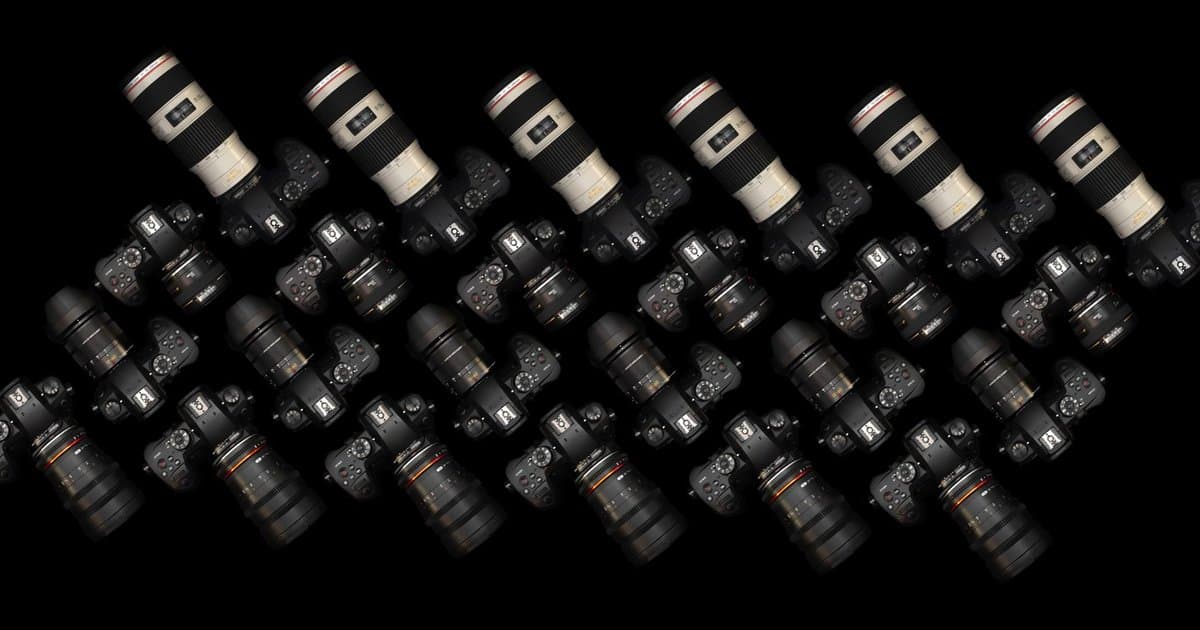
The professionals treat backups as a non negotiable part of the setup, not an optional extra. Two cameras run at once so if one fails, the other never stopped. Footage records to two cards at the same time inside the same body, so a corrupted card costs nothing. Spare batteries sit charged in the bag, spare cables coil next to the ones in use, and a backup audio recorder runs quietly the whole time. This redundancy adds weight and cost, and it feels like overkill on every job where nothing goes wrong. Then one day something does go wrong, and the backup is the only reason the project survives. That single save pays for years of carrying extra gear.
Redundancy is not only about hardware. It extends to the plan itself. A scouting visit before the real day removes the surprise of a room that is too dark or an outlet that is too far away. A call sheet shared with everyone involved means nobody is guessing where to be or what happens next. Building extra time into the schedule means a delay does not cascade into a disaster. The same instinct that makes you carry a second card makes you confirm the details twice and arrive early. You are removing the things that can go wrong before they get the chance.
There is a discipline underneath all of this that is worth naming. Files get downloaded to two drives the same night, never deleted from the card until both copies are confirmed. The gear gets checked and cleaned on a schedule, not just when something breaks. Batteries get labeled and tracked so a tired cell does not sneak into a critical moment. This kind of housekeeping is invisible to clients and easy to skip when you are busy. The people who skip it are the ones who eventually lose a job to a failure they could have prevented. The people who keep it never have the story to tell, because the disaster simply never happens.
The hard part is that redundancy is expensive in the exact way that makes it tempting to cut. A second camera, extra cards, and a backup recorder cost real money up front, and most of the time they sit unused. When you are starting out and watching every dollar, it is easy to tell yourself you will be careful enough that you do not need them. That logic holds right up until the moment it does not. The cost of the backup is known and small. The cost of a failed shoot with no backup is total, and it includes the client, the referral they would have given, and the trust that took you years to build.
The way to think about it is to imagine the worst case before you walk out the door. If your main camera died right now, could you keep working? If your card corrupted tonight, would the files still exist somewhere else? If the answer to either question is no, you are one piece of bad luck away from losing everything you were hired to capture. Closing those gaps is what turns a risky gamble into a reliable service. Clients cannot see your redundancy, but they feel the result, which is that you always deliver.
Reliability is the quiet thing that builds a career. Nobody books you again because you carried two cameras, but they book you again because the work always shows up flawless. That flawlessness is not luck. It is the sum of every backup you carried and every detail you confirmed twice. Skip those, and you are trusting a single thread to hold the whole job. Build them in, and one bad break becomes a story you never have to tell.