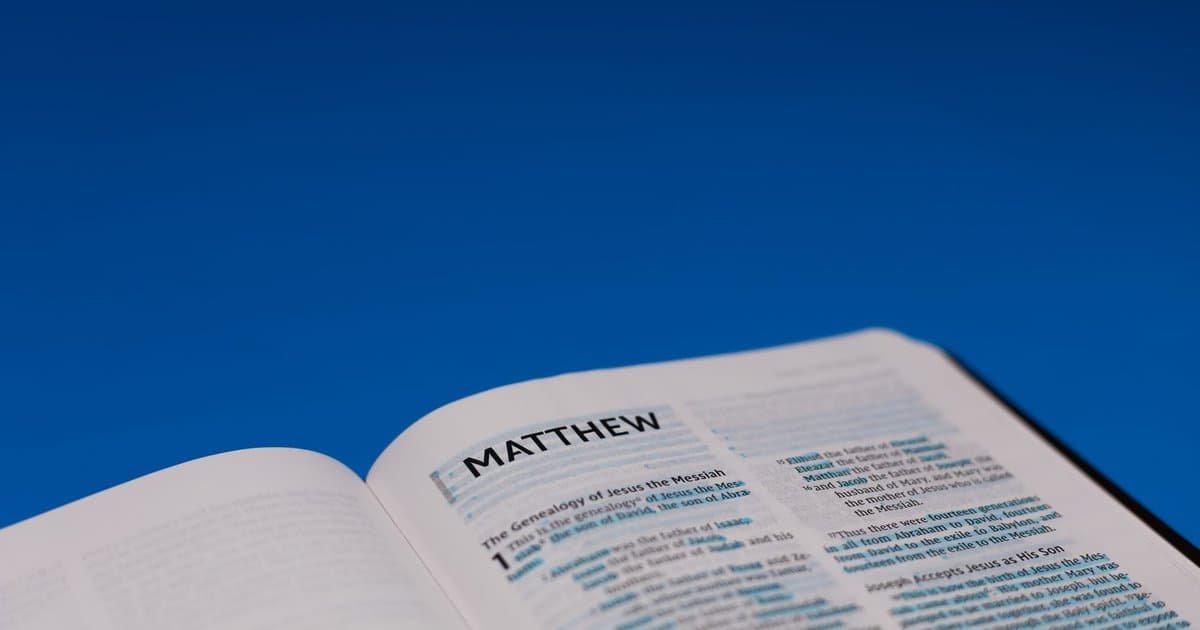
Somewhere along the way, reading the Bible turned into a numbers game. There are plans that promise the whole thing in a year, apps that track your streak, and a quiet pressure to cover more ground faster. None of that is wrong on its own, and reading widely has real value for knowing the whole story. But a strange thing happens when volume becomes the goal, because the act of finishing starts to matter more than the act of understanding. People close their app feeling accomplished without being able to say a single thing the passage actually meant. Growth and reading speed are not the same, and treating them as one quietly stunts the very faith it is meant to build.
Consider how shallow reading actually works in practice. When the goal is to hit a chapter count, the eyes move across the words while the mind stays on autopilot, already thinking about the next thing. You can read three chapters and retain almost nothing, the way you can drive a familiar route and not remember the trip. The text becomes a task to complete rather than a voice to listen to, and listening is the whole point. A passage rushed is a passage that never had the chance to do its work on you. Speed turns a living word into a checklist item, and checklists do not change anyone's heart.
The older path looks almost backward to a culture obsessed with more. For most of church history, believers read small portions slowly, returning to the same lines again and again until they sank in. They would take a single verse and sit with it through the day, letting it surface while they worked and rested. The goal was never to be impressed by how much they had covered, but to be changed by how deeply a little had taken root. That kind of reading is slow, repetitive, and unimpressive to anyone keeping score. Yet it is the kind that tends to produce people whose lives actually look different over time.
There is a reason depth requires staying longer than feels productive. Meaning rarely surfaces on the first pass, because the first reading only tells you what the words say. It is the second and third return that reveals what they mean, how they connect, and what they ask of you. Sitting with a hard passage long enough to be bothered by it is where real wrestling begins, and wrestling is where growth lives. A verse you cannot stop thinking about will shape you more than a chapter you forgot by lunch. Quantity gives you coverage, but only attention gives you transformation, and the two are easy to confuse.
None of this is an argument against reading the whole Bible, which is worth doing more than once. It is an argument against letting the measure of your faith become the size of your reading total. A person can know the entire book as information and remain untouched by it as truth, which is a sobering thing to consider. The Pharisees knew the scriptures better than almost anyone, and that knowledge alone did not soften them. Information that never moves from the head to the heart can even make a person harder rather than gentler. The aim was always to be formed, not merely informed.
So the practical shift is smaller and slower than most plans suggest. Read less if you have to, but read it like it is speaking directly to you, because the tradition holds that it is. Stop at the line that stings or stirs something and stay there instead of pushing on. Ask what it reveals, what it demands, and what it would mean to actually live it before you move along. Let one truth follow you into the day rather than racing to collect ten you will forget. The person who reads a single psalm slowly and lets it reshape them grows more than the one who finishes the book unchanged. Depth was never about how far you got, it was always about how long you stayed.