The fashion industry sells one quiet idea above all others. More options will make you look better. A bigger closet, a fuller cart, one more trend piece, and surely you will finally feel put together every morning. The strange truth is that the opposite usually happens to people who chase that idea. Those with overflowing closets tend to look worse on an average day, not better, and the reason has nothing to do with their taste. It has everything to do with how choice actually works on the human brain. Once you understand that pattern, a fuller closet stops looking like the solution and starts looking like the problem.
Start with the plain math of a crowded closet. When you own seventy items, most of them are mediocre, because no one can curate seventy great pieces that all fit well and work together. The few things that truly flatter you get buried under the noise of everything else. You reach for them less often, they wear out faster from overuse, and the mediocre majority quietly fills the gaps. A smaller closet forces a higher standard, because every single piece has to earn its space. Fewer items, each chosen well, beats a mountain of maybes every single time.
Then there is fit, which is the one thing that separates expensive looking from cheap looking. A closet stuffed with fast purchases is almost never a closet of well fitting clothes. Tailoring costs money and attention, and people only invest that in pieces they actually plan to keep for years. When you buy less, you can spend more on each item and have it fit your body instead of a mannequin. A plain shirt that fits your shoulders will always look better than a designer one that gapes at the buttons or bunches at the waist.
Choice overload is the next hidden cost, and it is sneakier than the others. Standing in front of a packed closet every morning drains a small amount of mental energy before the day has even started. Most people respond by defaulting to the same few comfortable, often unflattering, items, which means the other sixty pieces are pure decoration. A tight, intentional wardrobe removes that friction entirely. You get dressed faster, you look more consistent from day to day, and you stop the low grade daily stress of deciding among options you do not even like.
There is also a money story underneath all of this. Buying many cheap things feels thrifty in the moment, but it usually costs more over a few years than buying fewer good things would. Cheap fabric pills, loses its shape, and ends up in a donation bag within a single season. Quality holds its color, holds its structure, and somehow looks better the more you wear it. The person who owns ten excellent shirts almost always spends less per wear than the person cycling through forty disposable ones. Looking good and spending less are not enemies here, since they point in the same direction.
If you want to test this idea, do not start by shopping for anything. Start by pulling out the five pieces you actually reach for most weeks, the ones that feel like you. Notice what they have in common, the cut, the color, the way they sit on your frame, and let that pattern guide every future purchase. Then put the pieces you have not worn in a year somewhere out of sight for a full season. If you do not miss them at all, you have your answer about what they were worth. Building a wardrobe you trust is less about buying right and more about being honest about what you already wear.
It also helps to see the pressure for what it is. The whole machine is built to make you feel slightly behind, because a satisfied customer is a quiet one. New trends arrive every few weeks for exactly this reason, not because your clothes stopped working. Once you notice the pattern, the urgency loses most of its grip on you. You start to see a sale as a test rather than an opportunity. The question stops being can I afford this and becomes will I actually wear this fifty times, and that single question quietly kills most bad purchases before they happen.
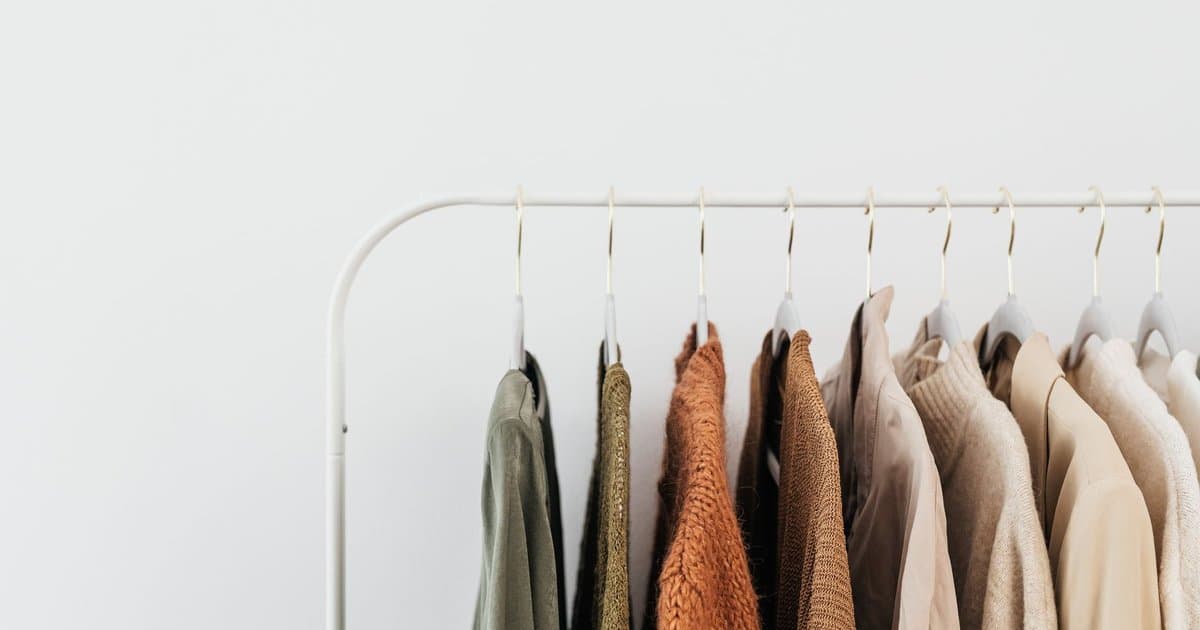
None of this is a call to throw everything out and own fifteen sad items in shades of gray. It is a call to stop confusing volume with style, because they were never the same thing. Pick the pieces that fit, that you reach for, that make you feel like yourself, and let the rest go without guilt. A closet you can actually see is a closet you can actually use every day. The goal was never more clothes piling up on the rod. The goal was looking and feeling good, and that has always come from less, chosen better.