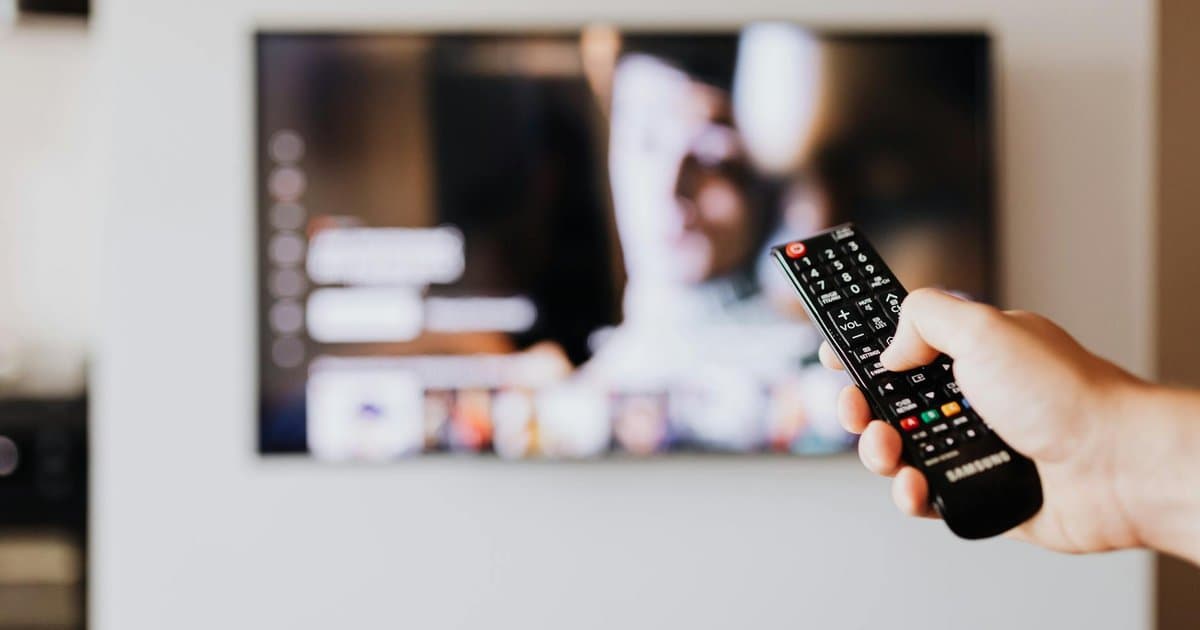
You bought a television to watch shows, but the television bought something too. Almost every major smart TV sold in the last several years ships with a feature called automatic content recognition, and it is usually turned on the moment you set the screen up. This feature takes small snapshots of what appears on your display, sometimes several times per second, and matches those snapshots against a massive database to figure out exactly what you are watching. It does not care whether the picture comes from cable, a streaming app, a game console, or a DVD player plugged into the side. The TV sees the pixels, identifies the content, and quietly sends that record back to the manufacturer. Almost nobody reading this agreed to that on purpose, because the setting was buried inside a setup screen most people tapped through in seconds.
The reason this matters comes down to what happens after the data leaves your living room. Manufacturers build a detailed profile of your household viewing, then sell access to that profile to advertisers and data brokers who want to reach you across your other devices. That is how you can watch a documentary on your TV at night and then see ads for the same subject on your phone the next morning. Your viewing history becomes a product, and the low price you paid for the hardware is part of the trade. Some companies have been fined for collecting this information without clear consent, which tells you the practice is widespread enough to draw regulators. The tracking is not a glitch or an accident, it is a business model that the cheap sticker price helps hide. The reason a large, high quality screen can cost so little is that the manufacturer expects to keep earning from you long after the sale. Your attention and your habits become a recurring source of revenue, which is a very different deal than the one most buyers think they are making. Once you understand that, the setup screens start to read very differently.
The good news is that you can shut most of this off, and it takes less time than choosing what to watch tonight. The setting lives under different names depending on the brand, so you are looking for terms like automatic content recognition, viewing information services, or live plus inside the privacy or general menu. On many sets you will find it under settings, then support, then a privacy or terms section where the original agreements live. Turn the toggle off, and the snapshots stop being collected and sold. While you are in there, look for separate switches that control ad personalization and an advertising identifier, because turning those off limits how the leftover data can be used. None of this breaks your apps or your picture quality, despite what the warning text sometimes implies.
There are a few extra layers worth knowing if you want to go further than the basic toggle. Resetting the advertising identifier wipes the profile that has been built so far and forces advertisers to start over from nothing. Many TVs also have a microphone for voice commands, and you can disable voice collection in the same privacy menu if you rarely use it. If your TV connects through your home network, you can block known tracking servers at the router level, though that step is more technical and not necessary for most people. The simplest protection of all is to keep the TV off your internet connection entirely and run your streaming through a separate device you trust more. That approach is not realistic for everyone, but it is worth knowing the option exists. Each layer you add gives you back a little more control over what your screen reports about you.
This is one of those quiet defaults that stays quiet precisely because so few people go looking for it. The companies are not hiding the settings in a vault, they are simply counting on the fact that most buyers never open the privacy menu after the first night. You do not need to feel paranoid about your television, and you do not need to throw it out or live without streaming. You just need to know the feature is there, decide for yourself whether you want it running, and spend the five minutes it takes to change the answer. The same logic applies to your phone, your car, and most of the connected devices filling your home. Each of those products was designed by people who assumed you would never check, and they are usually right. Breaking that assumption is the whole game, and it costs you nothing but a few minutes of attention. The single most useful habit is to open the privacy settings on anything new before you ever sit down to enjoy it.