Most people treat leftover food the way they treat a yellow traffic light, as a soft warning they can stretch. The pot of chili sits on the stove all afternoon, the party tray stays out through the evening, and the takeout box rides home in a warm car and then waits another hour on the counter. It looks fine, it smells fine, so it goes back in the fridge and gets eaten the next day. The problem is that the bacteria that make you sick do not change the look, smell, or taste of food until they are far past the point of being dangerous. By the time something seems off, it has often been unsafe for hours.
The science behind the warnings is simple and worth knowing. Bacteria multiply fastest in a temperature range that food safety experts call the danger zone, roughly between forty and one hundred forty degrees Fahrenheit. That range covers ordinary room temperature, which is exactly why a plate left on the counter is at risk. Inside that zone, a small and harmless number of bacteria can double about every twenty minutes. That means a population that was perfectly safe when the food came off the stove can become a serious dose of toxins within a couple of hours, all while the food sits there looking completely normal to you.
This is where the two-hour rule comes from, and it is more strict than people assume. Cooked food should not sit in the danger zone for more than two hours total, and that clock counts everything. The time on the counter, the time on the buffet, and the time in a warm car all add to the same total. On a hot day above ninety degrees, that window shrinks to one hour, because heat speeds the whole process up. People break this rule constantly without thinking, leaving a dish out through a long dinner and then refrigerating it, not realizing the two hours were used up before they ever put it away. Cooling it down later does not undo the growth that already happened.
The part that catches people off guard is that reheating does not fix the problem. Heat can kill many of the bacteria themselves, but some bacteria produce toxins as they grow, and those toxins are not destroyed by a trip through the microwave or a hard boil. So you can reheat a contaminated dish until it is steaming, kill the bacteria, and still eat the poison they left behind. This is why the standard advice is about prevention rather than rescue. Once food has spent too long in the danger zone, there is no reliable way to make it safe again, and the smell test will not save you because the dangerous compounds are often odorless.
The consequences range from a miserable night to a genuine emergency. Mild cases bring cramps, nausea, and the kind of stomach trouble that ruins a day or two. Serious cases land people in the hospital with dehydration, and certain bacteria can cause lasting harm, especially in young children, older adults, pregnant women, and anyone with a weakened immune system. For most healthy adults the risk is discomfort, but for the vulnerable people who might share the same table, the stakes are much higher. The same leftover that gives you a rough night could put a grandparent or a baby in real danger, which is reason enough to take the timing seriously.
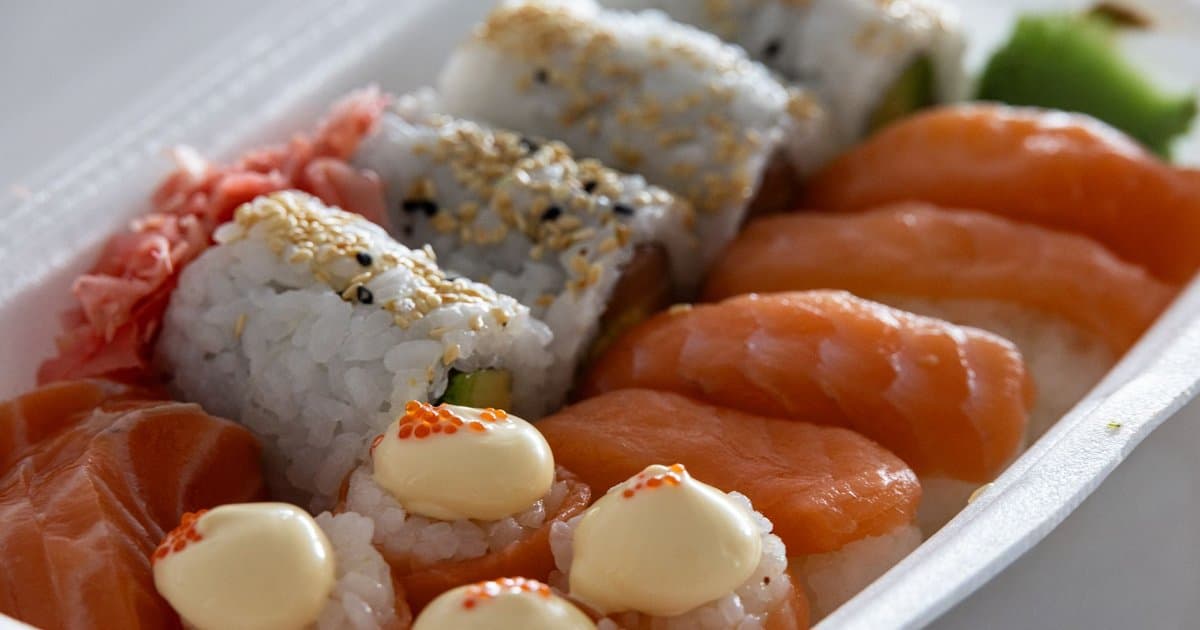
Some foods deserve extra caution because they grow bacteria faster than others. Cooked rice, pasta, beans, meat, poultry, eggs, dairy, and cut fruit all sit high on the risk list, and rice in particular surprises people because it seems harmless. The spores that survive cooking can wake up and multiply if the rice cools slowly on the counter, which is why takeout rice left out overnight is a classic cause of food poisoning. Dishes mixed with mayonnaise, gravy, or broth also spoil quickly in the danger zone. Dry foods like crackers, bread, and most baked goods are far safer because bacteria need moisture to thrive. Knowing which foods carry the most risk helps you decide what to rush back into the fridge and what can wait a little longer.
The good habits here are easy and cost nothing. Set a timer when food comes out, and get perishable dishes back into the fridge within two hours, or one hour in the heat. Divide large pots into shallow containers so they cool quickly, because a deep pot can stay warm in the center long enough for bacteria to thrive even inside the refrigerator. When you are unsure how long something has been sitting, throw it out rather than gamble, because a wasted meal is cheaper than a sick household. None of this requires special equipment or expert knowledge. It just requires treating the clock as the real warning, since the food itself will never warn you in time.