Fresh has become a marketing word, and most of us absorbed the lesson without questioning it. Fresh produce sits at the front of the store under good lighting, while frozen gets shoved in the back like a last resort. The assumption underneath is simple, that fresh is always more nutritious than frozen. For a lot of vegetables, that assumption is wrong, and the science behind why is not even complicated. Frozen produce often carries as many nutrients as fresh, and in plenty of cases it carries more. The freezer aisle is not a compromise, it is frequently the smarter buy.
The reason comes down to timing. Vegetables headed for the freezer are usually picked at peak ripeness, when their nutrient content is highest, and frozen within hours of harvest. That fast freeze locks in vitamins and minerals close to the moment they were at their best. Fresh produce takes a very different journey, often picked before ripeness so it can survive transport, then trucked, warehoused, and displayed for days or weeks before you buy it. Vitamins like C and certain B vitamins degrade with time, light, and warmth, all of which a long supply chain provides in abundance. By the time that fresh spinach reaches your plate, it can hold less of those nutrients than the frozen bag you walked past.
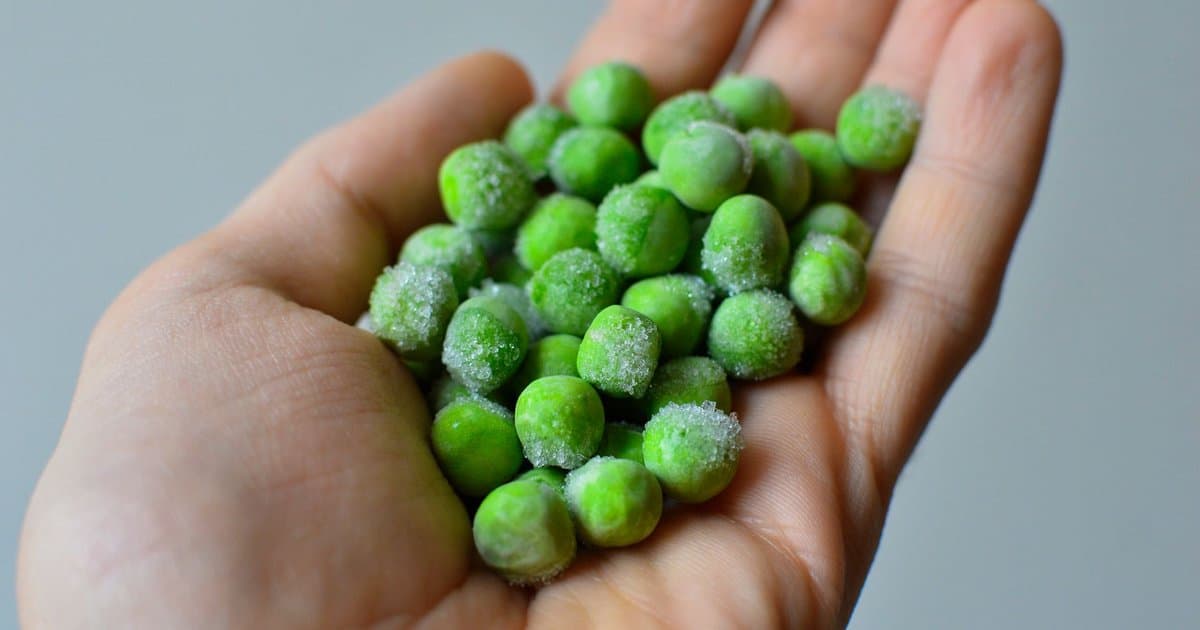
Studies comparing the two have found this pattern repeatedly across common vegetables. Frozen peas, broccoli, spinach, and green beans frequently match or beat their fresh counterparts on key vitamins, especially when the fresh version has spent days in storage. Blanching, the brief boil before freezing, does cause a small loss of some heat-sensitive nutrients up front. After that, though, the freezing essentially pauses the clock, while fresh produce keeps losing value every day it sits. The fresh item that genuinely wins is the one bought at peak season and eaten within a day or two. Most of what we buy does not meet that standard, and the freezer quietly comes out ahead.
There are real advantages beyond the nutrition numbers, and they matter for actually eating vegetables. Frozen produce does not rot in the crisper drawer while you forget about it, which means far less waste and wasted money. It is already washed, cut, and portioned, so the friction of cooking drops considerably on a tired weeknight. It is usually cheaper per serving, and it lets you eat summer vegetables in the middle of winter without paying a premium. The dish you actually cook beats the fresh bundle that turns to slime before you get to it. Convenience is not a guilty shortcut here, it is the thing that gets vegetables onto your plate at all.
This does not mean fresh is pointless or that you should empty your fridge into the trash. Some foods clearly belong fresh, including leafy salads, herbs, and anything you plan to eat raw and crisp. The texture of frozen produce changes once thawed, so it shines in cooked dishes like soups, stir-fries, and sauces rather than a salad bowl. The honest takeaway is that fresh and frozen are tools for different jobs, not a hierarchy of good and bad. Buy fresh for the meals where texture and rawness matter, and buy frozen for everything you are going to cook. Stop paying a premium for the assumption that fresh automatically means better.
The bigger point is to drop the guilt the marketing built into us. You are not feeding your family a lesser meal by reaching into the freezer, and in many cases you are doing better. The nutrients are there, the cost is lower, the waste is smaller, and the cooking is easier. Those four things together do more for actual health than chasing an idea of freshness that the supply chain already broke. Keep a stocked freezer and a realistic view of what fresh really means by the time it reaches you. The healthiest vegetable is still the one you actually eat, and frozen makes that a whole lot more likely.