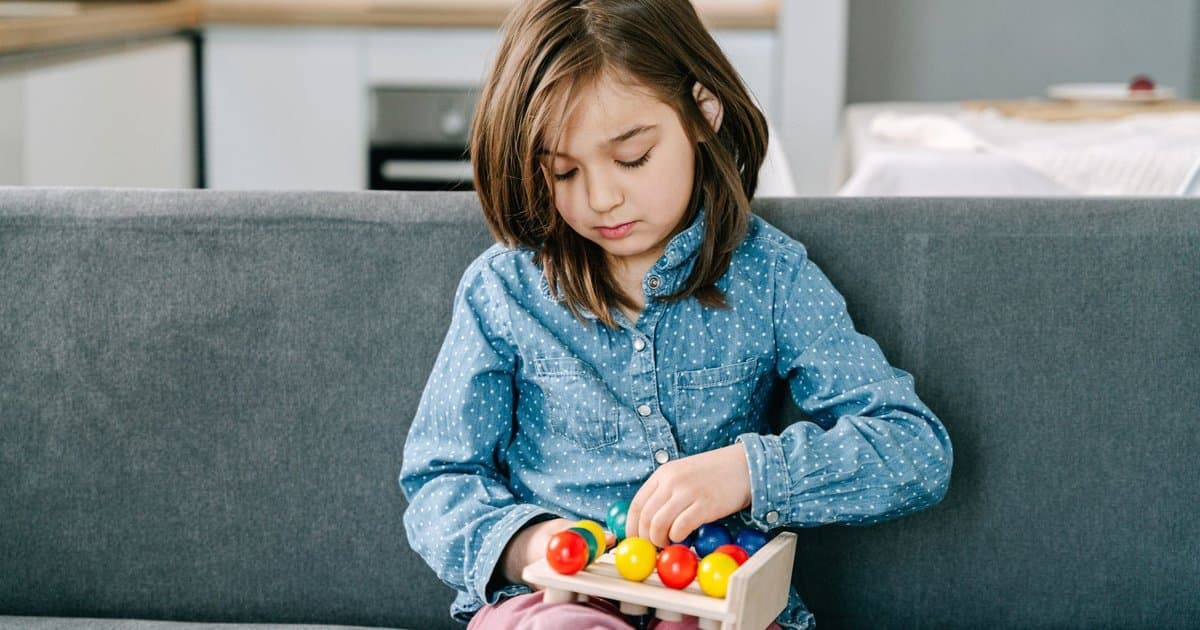
Few sentences make a parent move faster than a child saying they are bored. It lands like a small alarm, a sign that something needs fixing right now. So we fix it. We hand over a tablet, suggest an activity, drive somewhere, or scroll for an event to attend. The instinct comes from love and from a real fear that an unoccupied child is a child we are failing. But the popular idea that good parenting means keeping kids constantly stimulated gets the science almost backward. Boredom is not a gap in your child's day that you are responsible for plugging. It is a state that does quiet developmental work, and the rush to end it can interrupt something valuable.
Consider what is actually happening in a bored child's brain. Boredom is an uncomfortable feeling, and discomfort is a motivator. When a child is handed nothing to do, the mind does not simply switch off. It starts searching for something, and that search is where imagination gets exercised. The kid who is bored long enough to invent a game out of couch cushions, narrate a story to no one, or turn a stick into a sword is building the muscle of self-generated play. That muscle matters far beyond childhood. It is the same capacity that later lets an adult sit with an open problem, tolerate not knowing the answer yet, and work toward something original. A child who is never bored never has to develop it, because the entertainment always arrives from the outside before the inner engine has to start.
There is also a self-regulation skill hiding inside boredom, and it is one of the most important things a child can learn. When you immediately rescue a child from every dull moment, the lesson they absorb is that discomfort is an emergency and that someone else is responsible for resolving it. That is a fragile setup for a future adult. Life is full of stretches that are tedious, slow, or unstimulating, from waiting rooms to long tasks to quiet evenings. A person who learned early that they can sit with that feeling and find their own way through it has a real advantage. A person who learned that boredom must be killed instantly, usually with a screen, tends to reach for that same escape hatch as an adult and struggle whenever it is taken away.
This is where the contrarian part gets uncomfortable, because the easiest boredom cure is also the one that does the most to short-circuit the benefit. A screen ends boredom in seconds, but it ends it by replacing the child's own search with a stream of stimulation designed to hold attention. The internal work never gets a chance to begin. This does not make screens evil or mean a child should never use one. It means that reaching for the device as the default answer to every dull moment trains the brain to expect rescue and to find ordinary life flat by comparison. The goal is not zero screens. The goal is to stop treating boredom as a problem that only a screen can solve.
So what does it look like to let boredom do its job. The first move is the hardest, which is to resist the urge to fix it immediately. When your child announces they are bored, you do not have to spring into action. A calm and slightly boring response works wonders, something like telling them that is fine and you are sure they will think of something. The discomfort that follows is not neglect. It is the pressure that pushes them toward their own ideas. It helps enormously to have an environment that rewards that search, which usually means open-ended materials over single-purpose toys. Blocks, art supplies, dress-up items, boxes, and time outdoors all invite invention. A toy that does only one thing entertains briefly, while a pile of plain materials can become a hundred different things across a hundred bored afternoons.
It also helps to manage your own discomfort, because much of the rush to rescue is really about the parent, not the child. Watching a kid flop around complaining feels like a verdict on your parenting, and the easiest way to make that feeling stop is to hand them something to do. Recognizing that the feeling is yours, and that the boredom is actually working in your child's favor, makes it far easier to hold steady. You are not being lazy or cold by letting the dull moment stretch. You are giving your child room to do something that a packed schedule never could.
None of this means children need to be neglected or left endlessly to fend for themselves, and connection still matters more than any principle about boredom. It means the empty moments are not failures to be corrected. They are openings. The child staring at the ceiling with nothing to do is not wasting time. They are, in a quiet and invisible way, learning to be a person who can make something out of nothing. That is a gift worth protecting, even when it sounds, at first, like a complaint.