An Olympic gold medal is one of the most wanted objects in all of sport. Athletes train for years and give up almost everything to win a single one. Most people picture that medal as a heavy disc of pure, solid gold. It is not, and it has not been for more than a hundred years. A modern gold medal is mostly silver with only a thin coat of gold on the surface. The rules that govern the medal are surprisingly strict and specific. The amount of real gold involved is much smaller than fans expect. Once you know the numbers, the medal looks a little different.
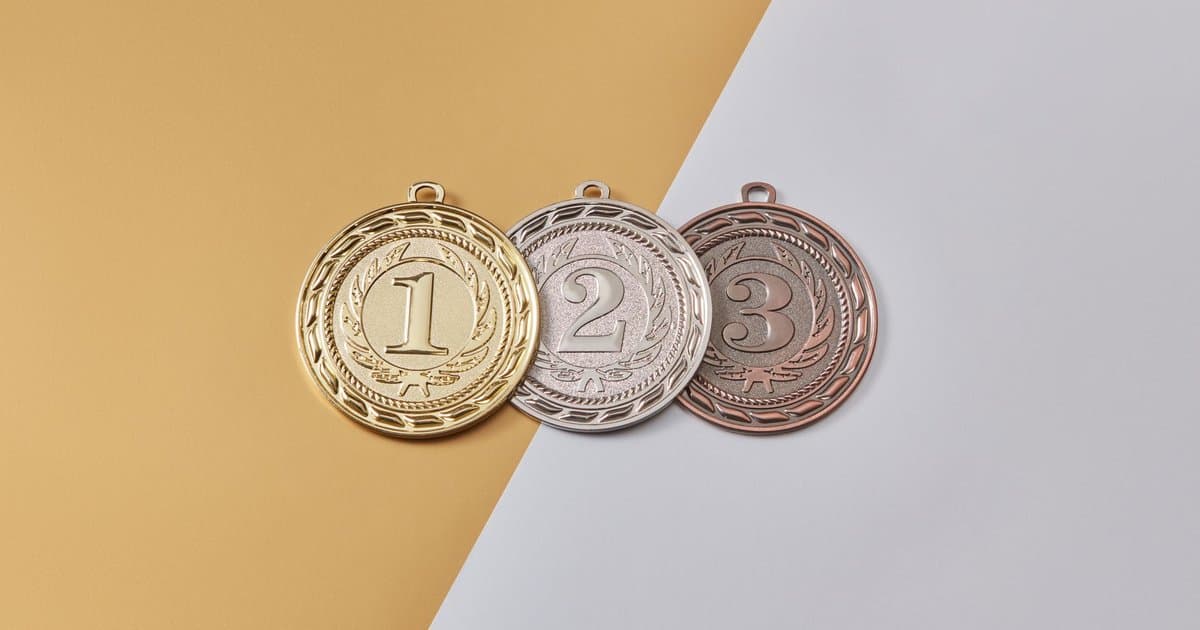
The International Olympic Committee sets clear standards for what a gold medal must contain. Each gold medal has to be made from at least 92.5 percent silver. On top of that silver base, it must carry at least six grams of pure gold. Six grams is about the weight of two nickels, which is not very much at all. The rest of the medal is silver, sometimes with a little copper added for strength. So the shiny gold you see is only a plating, not the body of the medal. The gold is real, but the layer is thin. The word gold describes the look far more than the material. In plain terms, the disc is a silver medal wearing a gold coat. Fans just never had a reason to check the numbers.
The last time athletes received medals made of solid gold was back in 1912. Those medals were handed out at the Stockholm Games more than a century ago. World War One and rising metal prices made solid gold medals far too costly to continue. Since then, every gold medal has followed the silver base and gold plating model. This is not a recent cost cut, it is a very old tradition. The change happened while the modern Olympics were still young. Fans who assume the medals are pure gold are picturing an event from long ago. The reality has been the same for over a hundred years.
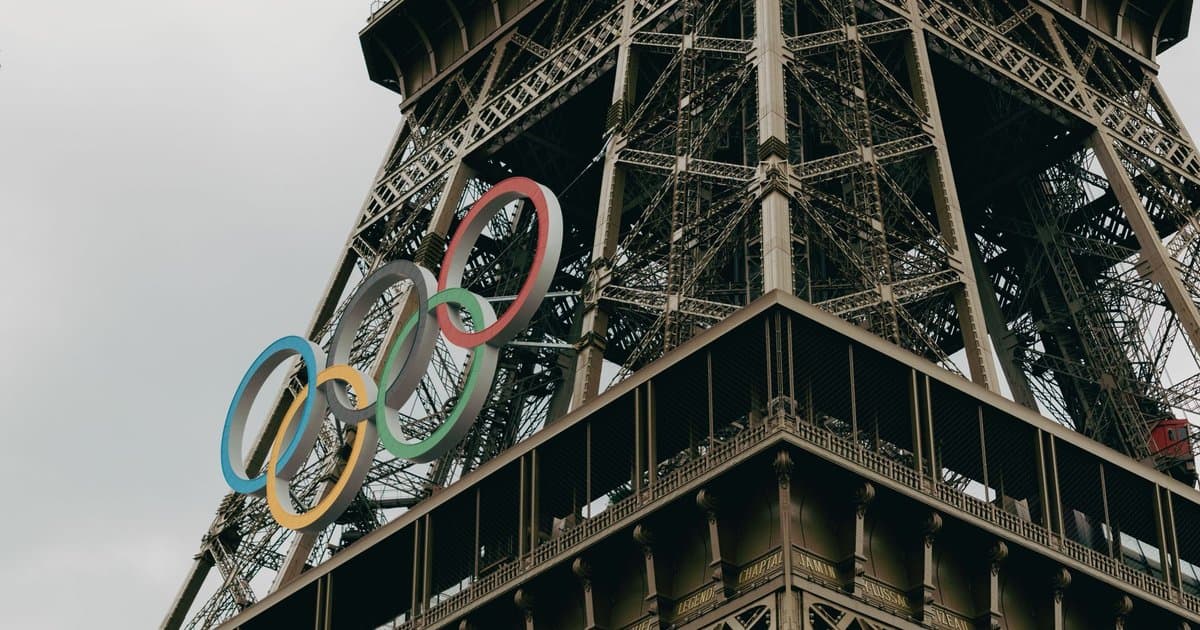
The Paris 2024 medals put real numbers to all of this. Each gold medal weighed about 529 grams in total. Only six of those grams were actual gold, while around 505 grams were silver. The organizers also added a special touch for that year. Every medal held an eighteen gram piece of iron taken from the original Eiffel Tower. That scrap metal came from past repairs and renovations of the famous landmark. So a Paris gold medal was part silver, part gold, and part old French iron. It was a clever way to tie the prize to the host city.
If you melted a gold medal down, the raw metal would be worth less than you think. Based on recent metal prices, the material sits somewhere around nine hundred to a thousand dollars. That figure rises and falls with the daily price of silver and gold. It is a real sum, but it is nowhere near the millions some people imagine. The true worth of the medal has almost nothing to do with the metal. Its value comes from what an athlete had to do to earn it. That is why almost no winner would ever sell theirs for scrap. The medal means far more as a symbol than as material.
When Olympic medals do reach the auction block, the prices tell the real story. Medals tied to famous athletes or historic moments can sell for hundreds of thousands of dollars. One of Jesse Owens gold medals from 1936 later sold for well over a million dollars. Buyers at that level are not paying for six grams of gold. They are paying for the history and the name attached to the medal. A common medal from a smaller event sells for far less than that. The market clearly rewards the story, not the shine. Rarity and meaning set the price, not the metal content.
The gold medal is proof that worth and material are two very different things. A disc that is mostly silver becomes priceless the moment it hangs from the right neck. The six grams of gold act almost as a symbol, a nod to an old idea of the highest prize. What athletes truly chase is the meaning, not the metal. That is a healthy reminder in a world that often measures value by weight and price. The medal is light in the hand, but the achievement behind it is heavy. Sometimes the smallest amount of gold carries the largest amount of pride. The shine is thin, yet the story runs deep.