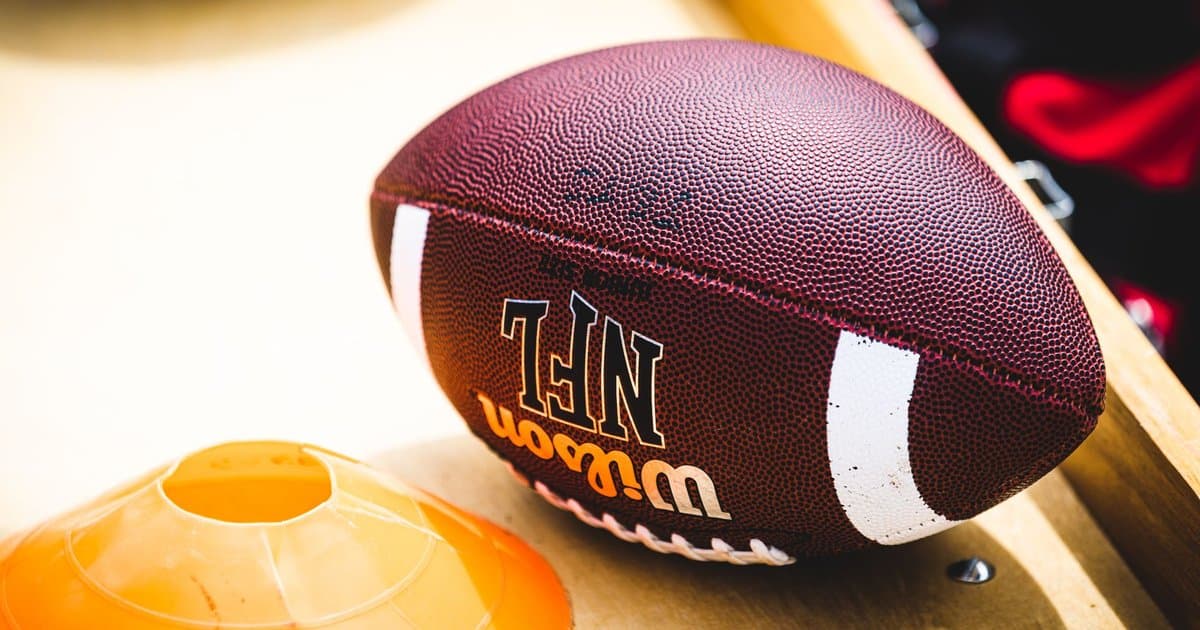
A football game takes over three hours to watch from kickoff to the final whistle. So it surprises most fans to learn how little of that time is actual football. When a major newspaper study broke down several broadcasts second by second, it found the ball was in play for only about eleven minutes. That is the total for the whole game, not one quarter. Everything else that fills those three hours is something other than live action. Once you know the number, you cannot unsee it. It changes how you watch the sport.
The reason comes down to how the game is built. A single football play lasts only about four seconds on average, from the snap to the whistle. There are roughly a hundred and thirty plays in a game, give or take. Multiply four seconds by that many plays and you land right around eleven minutes. The clock on the scoreboard says sixty minutes, but the clock keeps running during huddles, walks to the line, and long stretches when nothing is happening. Real movement is a small slice of the official game clock. The rest is preparation and pause.
So where does the bulk of the time go? A large share is commercials, and a typical broadcast carries around a hundred of them. Add them up and you get close to an hour of advertising in a single game. Networks pay enormous sums for the rights to show football, and those ad breaks are how they earn it back. Every score, every change of possession, and every official timeout becomes a chance to cut away. The breaks are baked into the structure of the broadcast itself. The game is paced around them, not the other way around. That is why the ad breaks land in the same predictable spots every week. The broadcast is built to pause on cue, and the football fills the gaps between.
Replays eat another big chunk of the clock. After almost every meaningful play, the broadcast shows it again from two or three angles. A close call might be reviewed for several minutes while officials study the footage. That review time counts as part of the three hours, but it is not new action. You are watching the same four seconds over and over from different cameras. Slow motion stretches those seconds even further. It feels like a lot is happening when very little actually is.
Then there are the shots that have nothing to do with the ball at all. Cameras linger on coaches pacing the sideline and players resting on the bench. They cut to fans in the stands and to the broadcasters in the booth. One study found players were only visible on screen for a small fraction of the total broadcast. Much of what you see is the space around the game rather than the game. These shots fill the gaps between plays and keep the picture moving. They are the connective tissue of the show. Without them the broadcast would feel empty during every pause. So the camera always finds a face or a crowd to hold your eye.
None of this means the game is boring or that fans are being cheated. Eleven minutes of live action is simply how football has always worked, even before television. The old game had huddles and stoppages too, because the sport is built on short bursts of effort followed by rest. What changed is that broadcasts learned to fill every pause with something to watch. The pauses are where strategy lives, where coaches send in plays and defenses adjust. A lot of the sport happens in the quiet between snaps. That quiet is part of the appeal, not a flaw.
It helps to compare football with a sport that rarely stops. A soccer match runs for about ninety minutes with the clock almost never pausing, so the ratio of action to airtime is completely different. Basketball keeps players in near constant motion for most of the game. Football chose the opposite path, trading continuous play for bursts of high intensity. That trade is why a football broadcast needs three hours to deliver its eleven minutes. Neither approach is better, but they produce very different viewing experiences. The number only looks strange because football hides its pauses so well.
So the next time a game stretches deep into the afternoon, you will know exactly what you are watching. Roughly eleven minutes of live football, wrapped in an hour of ads, a stack of replays, and a steady stream of sideline shots. That is not a scandal, just the honest math of how the sport is presented. Knowing it does not make the big plays any less thrilling when they finally arrive. If anything, it makes those short bursts feel more earned. The action is rare, and rare things tend to be worth the wait. That is the trade football asks every fan to make.