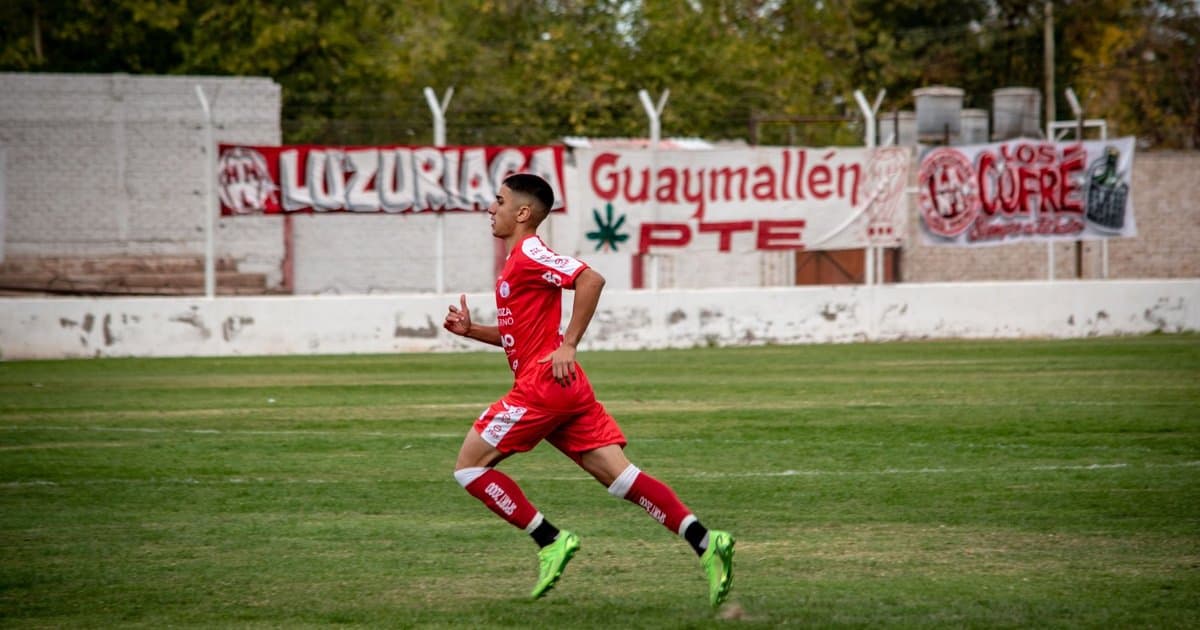
Watch a soccer match and it can look like long stretches of not much happening. Players jog, they pass sideways, they drift back and forth across the grass. Then you look at the tracking data afterward and the picture changes completely. A single outfield player covers about seven miles over the course of one ninety minute match. That is close to a full morning run, done in cleats, on a field the size of a city block. Most of them do it twice a week and never think of it as anything special.
That number is not a guess or a rough estimate. Modern clubs strap small GPS units into vests worn under the jersey, and stadiums use cameras that track every player frame by frame. The systems log distance, top speed, sprints, and even how hard a player speeds up and slows down. Coaches read those reports the way a pilot reads instruments. The seven mile figure shows up again and again across leagues, seasons, and playing styles. When the same result appears that consistently, you can trust it.
Not everyone on the field runs the same amount. Central midfielders are the long haul runners of the team, and they often clear seven and a half miles in a single game. They link defense to attack, so they are constantly shuttling between both ends. Strikers and center backs usually cover a bit less, closer to six miles, because their jobs keep them in tighter zones. Goalkeepers barely crack two or three miles, since their work is measured in reactions rather than distance. Your total says a lot about the role you play.
The seven miles are not run at full speed, and that surprises people. The large majority of it is walking and easy jogging, the low gears of the game. Only a small slice, often around one mile, comes in true sprints. Those sprints are the moments that decide matches, the burst to reach a through ball or chase down a runner. A player might sprint fewer than twenty times in a game, yet each one can change the score. Endurance sets the stage, and short bursts write the ending.
Put that next to other sports and it stands out. A basketball player covers roughly two to three miles in a game on a much smaller court. An American football player might log little more than a mile across a three hour broadcast. Soccer asks players to keep moving for ninety minutes with only one real break at halftime. There are no timeouts to catch your breath and no wave of substitutes rotating in every few minutes. The clock keeps running, and so do the legs.
Here is the strange twist buried in the numbers. For all that running, a single player touches the ball for only about two minutes in an entire match. The other eighty eight minutes are spent moving into space, closing down opponents, and creating options for teammates. Most of the work is about where you are when you do not have the ball. Great players are often described as smart runners rather than fast ones. They cover ground that matters instead of ground that only looks busy.
That workload shapes how players train and recover. A body cannot repeat seven mile efforts every single day without breaking down. So clubs build careful cycles of hard sessions, light sessions, and full rest. Sleep, food, and recovery are treated as part of the job rather than extras. Sports scientists watch the tracking data for early signs that a player is running less or slowing down, because a drop often signals fatigue or an injury forming. The numbers protect the athlete as much as they push them.
So the next time a match looks slow, remember what the trackers are recording. Twenty two people are each covering the length of a serious training run, over and over, while solving a fast moving problem with their feet. The quiet jogging you see is the connective tissue between the sprints that make the highlights. Distance is the hidden engine of the whole sport. It rarely shows up on the scoreboard, and it is present in every goal that does. Once you know the number, you never watch the game quite the same way again.