The message most teenagers hear is that college is the only respectable way forward. It is repeated by counselors, relatives, and the culture in general, and it leaves a lot of young people feeling like the trades are a backup plan for those who could not cut it. That story is outdated. While the cost of a four year degree has climbed and starting salaries for many graduates have stayed flat, a number of skilled trades quietly pay well, start earning years sooner, and finish without a mountain of debt. None of this is a knock on college. It is a reminder that there is more than one good road, and some of them are wide open right now.
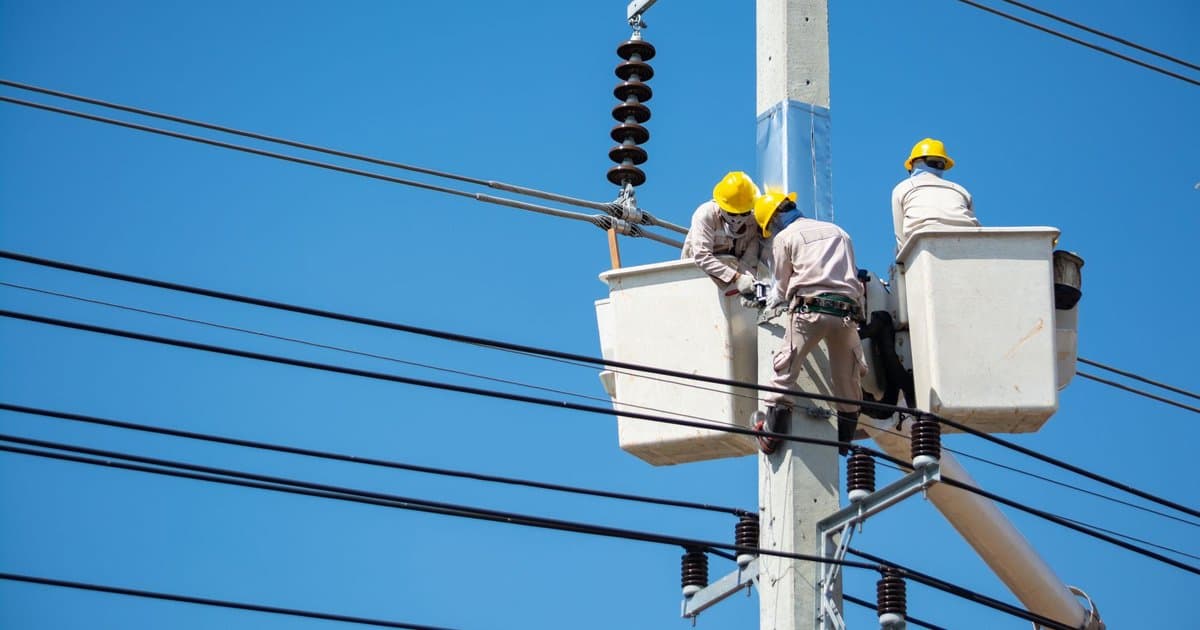
Start with electricians, because demand keeps growing and the work is hard to send overseas. An apprentice earns while they learn, usually four to five years of paid training instead of four years of tuition bills. By the time a degree holder is starting at the bottom with loans to repay, a licensed electrician is often years into steady income with no debt at all. Experienced electricians who run their own jobs or move into industrial and specialty work can clear comfortably into six figures in many markets. The trade also scales, because the same person can grow from working alone into running crews and bidding bigger contracts.
Plumbers sit in a similar spot, and the math is just as friendly. The training path pays as you go, the licensing creates a real barrier that protects wages, and the need never really disappears. Pipes break in good economies and bad ones, which makes the work unusually stable. A plumber who builds a reputation and eventually owns the business is not just selling labor anymore, they are selling a brand, a truck, and a phone that keeps ringing. That ownership step is where the income separates from a typical salaried job.
Elevator installers and repairers rank among the highest paid trades, and most people never think about them. Every new building and every aging one needs this work, the certification is demanding, and the small pool of qualified people keeps pay high. The barrier to entry is exactly what makes it valuable. Because it takes years and a real apprenticeship to qualify, the field does not flood with cheap competition, and the wages reflect that scarcity. For a young person willing to commit to the training, it is one of the most overlooked high income paths out there.
HVAC technicians round out the practical middle of this list. Heating and cooling systems are not optional in most of the country, so the work holds up through seasons and downturns alike. The training is shorter than some trades, which means a faster start, and the path into running service calls and eventually owning a company is well worn. Technicians who learn the business side, not just the wrench side, can turn a steady wage into a real enterprise with employees and recurring maintenance contracts that pay year after year.
The fifth is less of a single job and more of a category, which is the construction and project management track that starts on a job site. Plenty of people begin as carpenters, welders, or general laborers and move up into estimating, supervising, and managing projects worth millions. Welders in particular can earn strong money, especially in specialized fields like pipeline and underwater work, where the risk and skill push pay far above the average. The point is that a job site is not a dead end. For someone who learns fast and shows up reliably, it is a ladder, and the early rungs pay while you climb.
The honest part of this conversation is that the trades are physical, and that matters. The work can be tough on the body over decades, the hours are sometimes long, and the early years test whether you really want it. Anyone considering this path should go in clear eyed about that, not just dazzled by the income. The smart move is to think about the long arc, which usually means using your body to learn the craft early and then moving toward owning, managing, or specializing as you go, so the work gets lighter as your value goes up.
For a teenager weighing options, the useful frame is not college versus trades as a moral choice. It is a question of fit, money, and timeline. If you learn by doing, dislike the idea of heavy debt, and want to earn sooner, a skilled trade is not settling. It is a real career with real ceilings, and in several of these fields the ceiling is higher than most people assume. It is also worth doing the math for your own area, since wages and demand vary by region, and a trade that pays modestly in one city can pay very well in another. The path is open, and far fewer people are walking it than should be.