Most people treat the refrigerator like a safe default. If you are not sure where something goes, it goes in the fridge, because cold feels careful and warm feels risky. For a lot of foods that instinct is correct, but for several common ones it backs you into worse flavor, worse texture, and sometimes faster spoilage. The cold does not just slow things down. It changes how starches, oils, and cell walls behave, and a few foods react badly to that. Here are five that almost always do better on the counter than behind the fridge door.
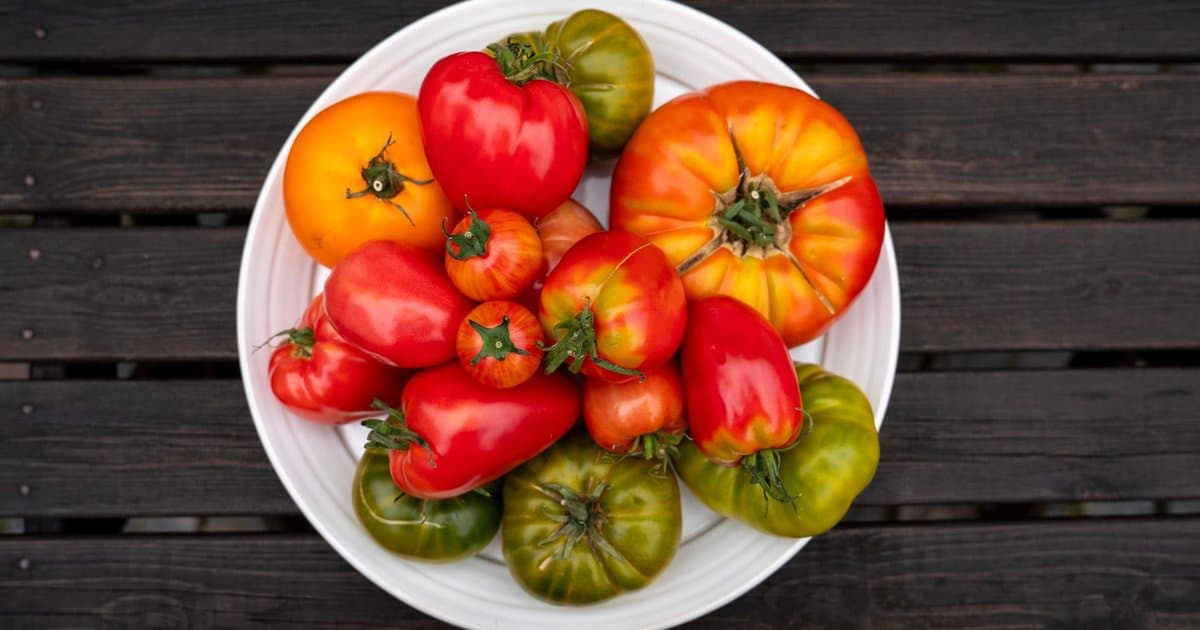
Tomatoes are the clearest example. Cold air halts the ripening process and breaks down the membranes inside the fruit, which is why a refrigerated tomato turns mealy and loses that bright, slightly sweet flavor. A tomato left on the counter keeps developing, stays juicy, and tastes the way a tomato is supposed to taste. If yours are already very ripe and you need to slow them down, the fridge buys you a day, but bring them back to room temperature before eating. The flavor recovers somewhat, though the texture rarely comes all the way back. The simple rule is to buy what you will eat within a few days and leave them out.
Bread is the next one people get wrong. The fridge feels like it should keep bread fresh, but it actually speeds up the process that makes bread go stale. The starches in bread recrystallize fastest at refrigerator temperatures, so a loaf in the fridge turns dry and firm much quicker than one left out. If you will finish a loaf within a few days, keep it on the counter in a paper bag or a bread box. If you bought more than you can eat that fast, the freezer is the right move, not the fridge. Freezing pauses the staling, and a quick toast brings the slices right back.
Potatoes, onions, and garlic round out the list, and they fail in the fridge for related reasons. Cold turns the starch in potatoes into sugar, which gives them an odd sweetness and makes them brown strangely when you cook them. Onions go soft and moldy in the humidity of a fridge, and they also pass their smell into everything nearby. Garlic can sprout and turn rubbery when it is chilled. All three want a cool, dark, dry spot with some airflow, like a pantry shelf or a basket in a low cabinet. Keep onions and potatoes apart, though, because they make each other spoil faster.
Coffee deserves a mention because the habit is so common. People stash beans or grounds in the fridge or freezer thinking the cold preserves them, but coffee is porous and pulls in moisture and the smell of whatever is around it. Every time you open the container in a humid fridge, condensation forms on the beans and slowly degrades them. Coffee keeps best in an airtight container at room temperature, away from light and heat. Buy it in amounts you will finish within a couple of weeks and you will taste the difference. The freezer can work for long-term storage of unopened bags, but the daily-use container belongs in the cupboard.
A few more items deserve a quick mention because the mistakes are so common. Fresh basil wilts and blackens in the cold, so it keeps best standing in a glass of water on the counter like a small bouquet. Bananas brown faster in the fridge and stop ripening properly, so leave them out unless they are already as ripe as you want them. Stone fruit like peaches and plums turn mealy when chilled before they are ripe, so let them soften on the counter first and only then move them to the fridge if you need an extra day. Honey should never go in the fridge at all, because the cold makes it crystallize and harden into something you cannot pour. Whole melons also hold their texture and flavor better at room temperature until you cut into them. The pattern holds across all of these, which is that cold is not automatically the safe choice.
The thread running through all of this is that cold is a tool, not a cure. It slows some kinds of spoilage while actively causing others, and the foods on this list pay the price in flavor and texture when you get it wrong. None of these changes cost anything or take extra effort. You are simply moving a few items from one shelf to another and letting them sit where they actually keep. Do that, and the produce you buy tastes better, your bread lasts the way you expect, and your coffee stops tasting flat. Small storage choices add up to a noticeably better kitchen.