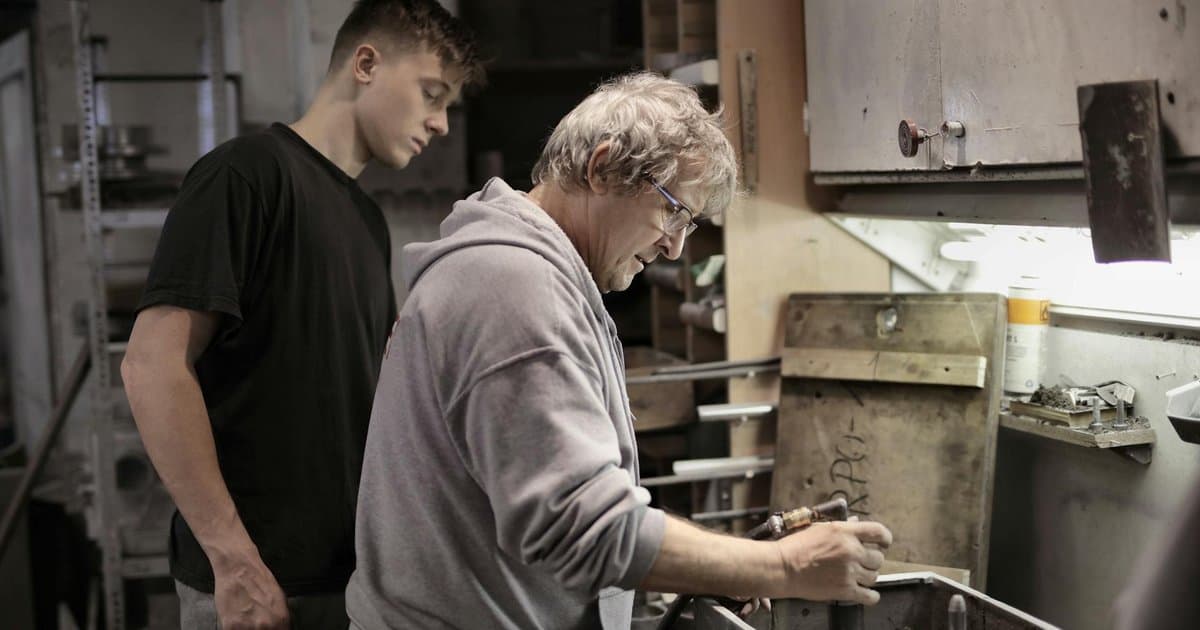
For a long time the message to teenagers was simple. Finish high school, go to college, and the rest will sort itself out. That message still has value, but a growing number of young people are looking at it and choosing a different road. They are heading into skilled trades like electrical work, plumbing, welding, and construction, and they are doing it on purpose. This is not a story about kids who could not handle school. It is a story about young people doing the math and deciding the traditional path no longer fits their goals. Three reasons keep coming up when they explain the choice.
The first reason is cost. A four-year degree now carries a price tag that can follow a person for decades, and teenagers see that weight on older siblings and cousins. They watch graduates start adult life already owing more than they earn in a year. A trade path flips that picture, because many programs are shorter, cheaper, and often paid through apprenticeships. Instead of paying to learn, a young worker can earn while learning the craft from someone who already does it well. When you are eighteen and looking at two roads, one that adds debt and one that adds income, the choice stops feeling reckless and starts feeling responsible.
The second reason is speed to real work. College asks a young person to spend four years before the career begins, and for some that delay feels endless. Trades offer something different, because the skill and the paycheck arrive close together. A teenager can enter a program, learn a craft, and be working a real job in a fraction of the time. That early start matters more than it sounds, since those working years build experience, savings, and a reputation while peers are still in lecture halls. By the time a four-year graduate enters the market, a tradesperson the same age may already have years of pay and skill behind them. For a young person who wants to build something now, that head start is hard to ignore.
The third reason is stability that they can see with their own eyes. Young people have grown up hearing that whole industries can shrink overnight, and they have watched it happen. Against that backdrop, work that has to be done in person feels safer. A house still needs wiring, a pipe still bursts, and a building still has to be built by hands that are physically there. These jobs are difficult to send somewhere else or hand to a machine, and teenagers notice that. They are not just chasing a paycheck. They are looking for work that will still be standing when they are forty, and the trades make that promise more believable than many office careers do right now.
None of this means college is a mistake, and the smartest teens are not treating it as an enemy. Doctors, engineers, and teachers still need the degree, and for those paths it is worth every year. The shift is not about rejecting education. It is about young people refusing to accept one path as the only respectable choice. They are asking better questions about what they want their twenties to look like and what kind of debt they are willing to carry. That is a sign of maturity, not surrender, and the adults around them should treat it that way.
For parents and mentors, the takeaway is to widen the conversation early. Instead of asking a teenager which college they plan to attend, ask what kind of work they want to do and what life they want it to fund. Talk honestly about cost, about timelines, and about which fields are hiring real people for real wages. A young person who chooses a trade with eyes open is not falling behind. They are starting a different race that often pays sooner and steadier than the one everyone assumed they would run. The job of the adults is to make sure both roads stay respected, so the next generation can pick the one that actually fits.