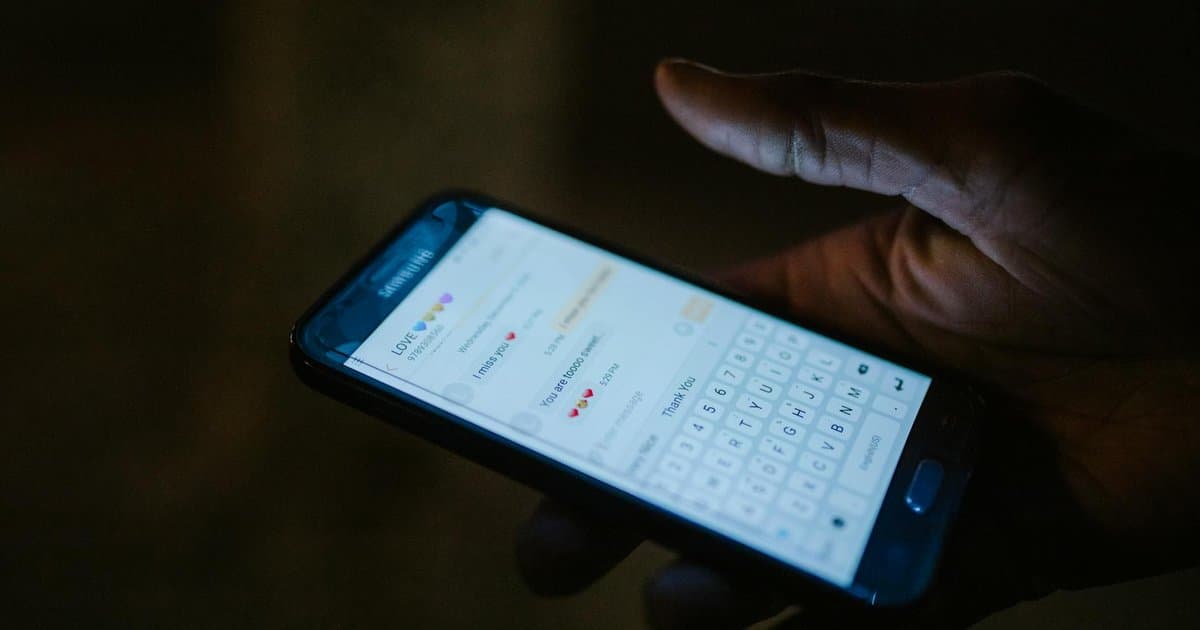
For years we have been told that two factor authentication is the gold standard for protecting our accounts, and that part is true. Adding a second step beyond your password really does stop the vast majority of attacks. The problem is that not all second steps are equal, and the one most people rely on is the weakest version available. When a bank or app texts you a six digit code to confirm it is really you, that is two factor authentication by text message, and it has real holes. It feels secure because it involves your phone, but the phone is exactly where the weakness lives. The code traveling over the cell network is far easier to intercept or steal than people assume.
The most common attack is called SIM swapping, and it does not require any hacking skill at all. A criminal calls your phone carrier, pretends to be you, and convinces a support agent to move your number to a new SIM card they control. Once that happens, every text message meant for you, including those security codes, goes straight to the attacker. They do not need your phone. They do not even need to be in the same country. With your number in hand and a password bought from a data breach, they can walk through the front door of your accounts while you sit there wondering why your phone suddenly has no signal. People have lost life savings and entire online identities this way, and the carriers are still surprisingly easy to fool.
Even without a SIM swap, texted codes can be captured by convincing fake login pages. You get a message that looks like it is from your bank, you click the link, you enter your password, and then you enter the code that just arrived. The catch is that the page was fake the whole time, and a tool on the other end instantly relayed both your password and your code to the real site before the code expired. You handed over both factors without realizing it. The texted code did nothing to stop the attack because it was never designed to verify that the site asking for it was legitimate. It only proves you can receive a text, and receiving a text is not as hard to fake as it should be.
Here is the better option, and the surprising part is that you probably already own it. Passkeys are a newer login method built into modern phones, laptops, and password managers. Instead of a code you type, your device proves who you are using the same fingerprint or face scan you already use to unlock it. The secret that confirms your identity never leaves your device and never travels over a network, so there is nothing for a criminal to intercept in transit. A passkey is also tied to the real website, which means a fake login page simply cannot trigger it. The phishing attack that defeats texted codes does not work against a passkey, because the passkey refuses to respond to the wrong address.
Setting this up is easier than most people expect. Major services like Google, Apple, Microsoft, and a growing list of banks and retailers now let you create a passkey in your account security settings, often in under a minute. You can keep your texted codes as a backup while you transition, then lean on passkeys as your main method wherever they are offered. If passkeys are not yet available on an account you care about, the next best step is an authenticator app, which generates codes on your device without sending anything over the cell network. That alone closes the SIM swap hole, since there is no text for anyone to steal. The codes live on the device in your hand and expire in seconds, so even a stolen one is nearly useless. It is not as strong as a passkey, but it is a large step up from a text and takes about the same effort to set up.
The takeaway is not to panic or to abandon two factor security. It is to stop treating the texted code as if it were ironclad when it is the softest target you have. The protection you already trust has a known weakness, and the stronger replacement is sitting in settings you have probably never opened. Spend a few minutes this week turning on passkeys or an authenticator app for your email and your bank first, since those two unlock almost everything else. Small effort now, far less chance of waking up to find your accounts handed to someone else.