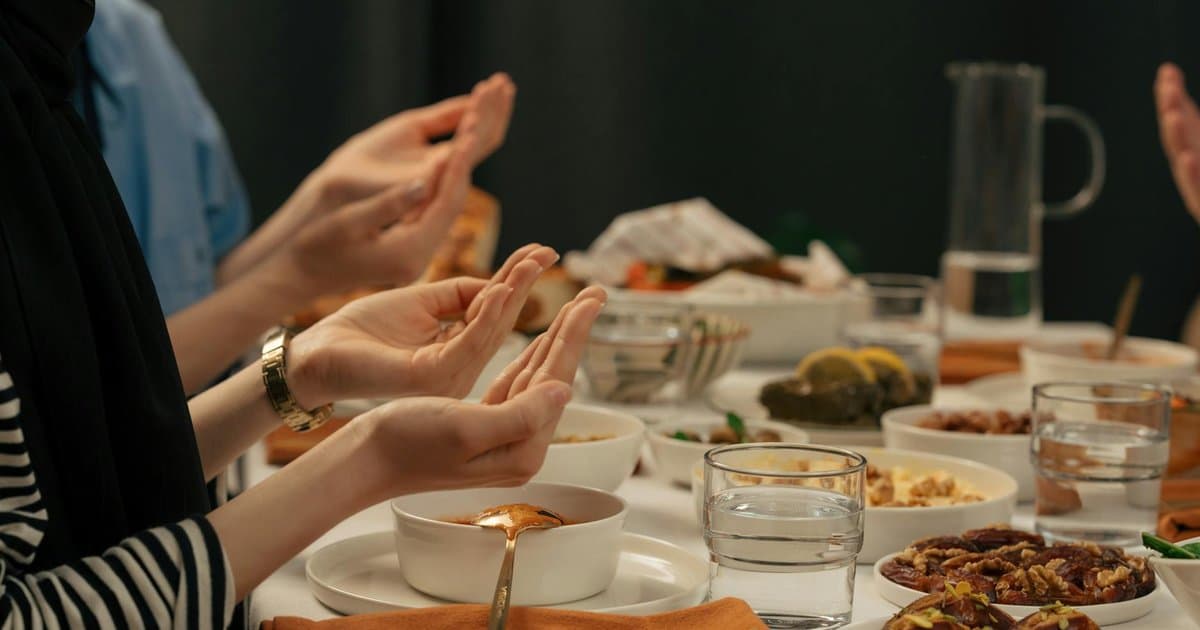
Most people picture church as a Sunday morning thing. One hour, a parking lot, a bulletin, a sermon, and a drive home. That is the version of Christianity that has been handed down to most of us, especially in the South where Sunday service still anchors the week. It is what we grew up with and what we built our calendars around. But the first Christians did not live that way. They did not even resemble it. According to Acts 2:46, the earliest believers in Jerusalem met together every single day, broke bread in their homes, and shared meals with glad and sincere hearts.
When Luke uses that phrase about meeting daily, he is not exaggerating for effect or summarizing a special season. The Greek construction carries the sense of a continuous, ongoing pattern that was as routine as eating. Their gathering was not an event you attended. It was the shape of normal life. Some of those daily meetings happened in the temple courts in larger groups for teaching. The rest happened in homes for meals, prayer, reading whatever letters Paul had sent, and caring for whoever showed up needing food or rent or a place to sleep. That was Tuesday in the early church.
What made the daily rhythm work was not enthusiasm or programming. Three things drove it. The first was scale, because they met in homes that could hold ten or fifteen people instead of buildings that demanded staging and sound systems. The second was shared resources, because Acts 2:45 says they sold property to meet needs as they came up. When you came to dinner you were also coming to the place where you might end up paying somebody's rent. The third was pressure, because persecution forced them close. You do not casually attend a movement that could cost you your job, your family, or in some cases your life.
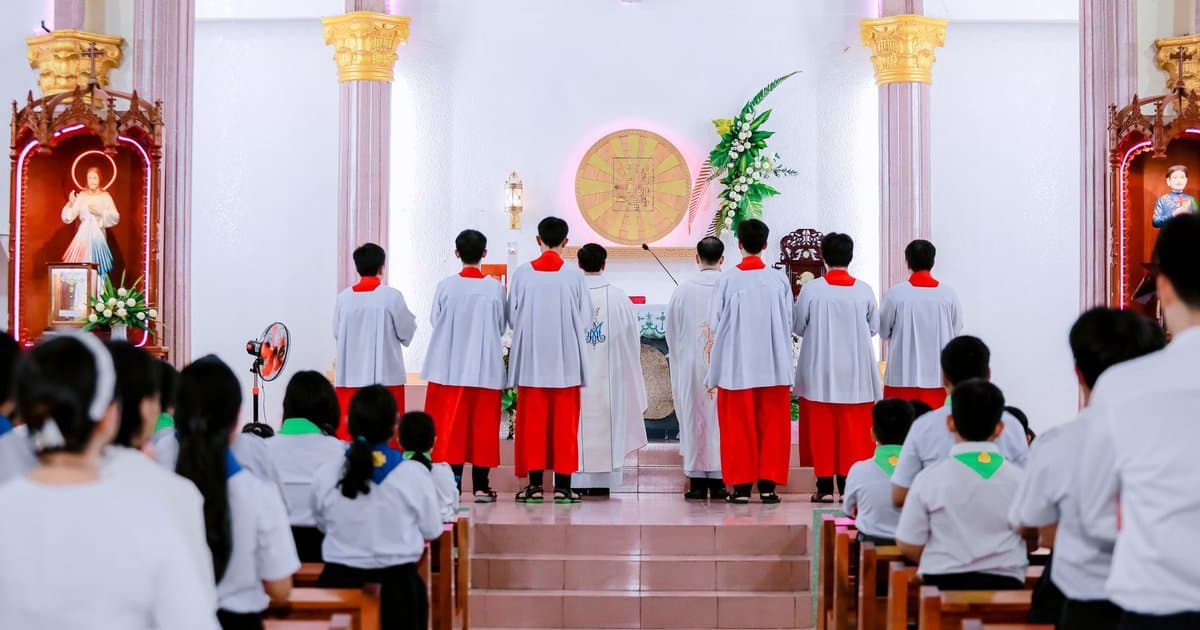
The version of church most of us inherited is a Sunday-only product, and that product was invented relatively recently in the long arc of church history. House churches dominated the first three centuries of Christianity. Dedicated public worship spaces did not become standard until Constantine made Christianity legal in the early 300s. From that point forward, church gradually became something you went to instead of something you lived inside. The early daily rhythm faded, but the witness of it stayed in the text. It is still sitting in Acts 2 waiting on us to notice. The question is not whether the modern weekly model is wrong but whether the daily model still has something to give back.
Practically, recovering this does not require quitting your church or launching a movement nobody asked for. It looks like one weekday meal with believers in your home where the food is simple and the phones stay in the other room. It looks like praying with your spouse before bed instead of scrolling for thirty minutes in silence. It looks like a Tuesday text thread of two or three friends asking each other how they actually are. It looks like opening the front door to neighbors who have never been invited in. The early church was not built on production. It was built on presence, and presence is still the part that works.
The honest truth is that most American Christians have only ever known a weekend version of faith. Monday through Saturday, the faith goes private. The result is loneliness that no Sunday morning service is built to solve, no matter how good the music is or how warm the greeter at the door turns out to be. People are not lacking sermons. They are lacking small rooms with people who know their names. The daily rhythm of Acts 2 was not a higher tier of devotion reserved for first century super Christians. It was the basic blueprint of how following Jesus was supposed to feel in real time.
You do not have to recreate the early church to learn from it. You only have to pay attention to what they actually did and notice how little of it resembles a typical week of modern church life. They met daily. They ate together. They prayed in homes. They carried each other financially. They read scripture out loud as a group. Most of those moves cost almost nothing to copy today. Pick one and start there. One meal. One conversation. One Tuesday at a time.