We tend to measure faith by how much of it we can see. The person who posts verses every morning, prays the longest out loud, and signs up for every ministry looks like the strongest believer in the room. Volume becomes the yardstick, and quieter people can start to feel like they are falling behind. There is nothing wrong with visible faith, but visibility is a poor way to measure real depth. Some of the loudest expressions rest on shallow roots, and some of the quietest run deep into the ground. It is worth asking what we are really rewarding when we praise the loud version over everything else.
The problem with loud faith is that it always has an audience, and an audience changes things. When people are watching, it gets hard to tell where real devotion ends and performance begins. Praise, attention, and the approval of a crowd feel good, and those feelings can quietly become the point. This is not a modern problem or a cynical take on believers. It is exactly what Jesus warned about when he told people not to pray and give in order to be seen by others. The warning was never against prayer or generosity. It was against doing them for the applause.
Quiet faith looks different, because most of it happens where no one is keeping score. It is the private prayer that no one hears and the promise kept when breaking it would have been easy. It is showing up for a struggling friend with no story to tell about it afterward. It is the slow, unglamorous obedience of doing the right thing again and again with no one clapping. None of this trends, gets noticed, or earns a single word of praise. That absence of an audience is a large part of what makes it honest in the first place.
There is a reason depth and quiet tend to travel together. Roots grow downward, in the dark, where nothing about them is visible or impressive. A tree that spends its energy on a strong root system can stand through storms that flatten flashier plants. Character works the same way, formed in private through habits that no one ever sees. Consistency over a long stretch of ordinary days builds something sturdier than a single burst of intensity ever could. The strongest faith is often the least dramatic, because it was built to last rather than to be admired.
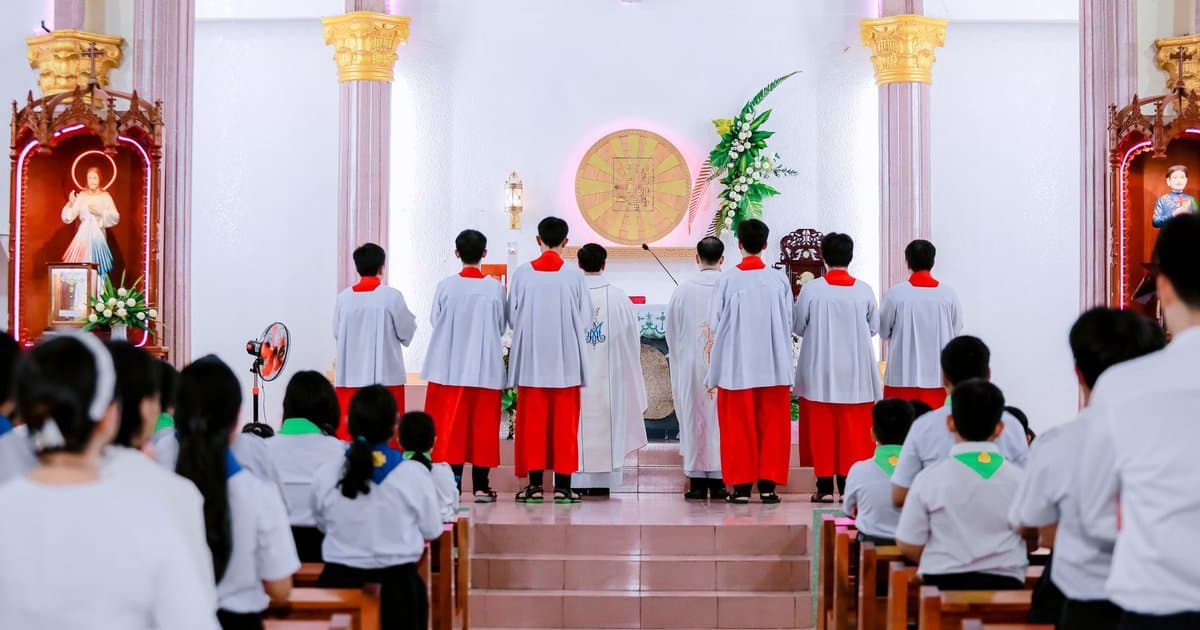
None of this is an attack on public faith, and that distinction really matters. Sharing what you believe, worshiping with others, and serving where people can see it are all good and needed. The point is not that quiet is holy and loud is fake. Plenty of visible faith is completely real, rooted in a private life just as deep as it appears on the surface. The mistake is treating volume as proof of strength, and treating quiet as a sign of weakness. Both can be genuine, and only one of them is easy to fake for a crowd.
History is full of quiet believers who never trended and never once tried to. Picture the neighbor who prayed for the same struggling family for thirty years and never mentioned it to anyone. Picture the worker who stayed honest when cutting corners would have been easy and completely unnoticed. Picture the parent whose steady, unremarkable faith shaped children who only understood it decades later. None of these people would ever show up in a feed or a highlight reel. Yet their faith did the slow, quiet work that loud and short-lived enthusiasm rarely manages to do. That kind of steadiness is available to anyone who wants it, and it asks for no audience at all.
So the honest question is not how loud your faith sounds, but what holds it up when the room is empty. Examine your own motives, not to shame yourself, but simply to keep things clear. Ask whether your visible acts are fed by a private life, or whether the visible part is all there really is. Tend the quiet things, the prayer no one hears and the obedience no one praises, because that is where real strength is grown. Let the public expression flow out of that foundation, rather than standing in for it. A faith built in private will still be standing long after the applause fades away.