Walk into most church services on a given weekend and you will hear a certain sound. The music lifts, the lyrics point up, and the mood is set toward victory, joy, and celebration. There is nothing wrong with any of that, and there is a real place for it. But sit in that same room while your life is falling apart and something feels off. Where is the room for grief? For most of church history there was a whole language for bringing pain to God, and much of the modern church has quietly stopped speaking it.
That language is called lament. A lament is a prayer of complaint, sorrow, or protest brought honestly before God. It is not polite. It is not tidy. It is the cry of someone who trusts God enough to tell Him exactly how much things hurt. If you open the book of Psalms, the songbook the people of God used for centuries, you find that roughly a third of them are laments. They are not rare exceptions tucked in a corner. They are a major share of the prayers the Bible actually teaches people to pray, which tells you how normal this was meant to be.
A lament is also more structured than simple venting. Most of them follow a rough shape. They start by turning toward God and addressing Him directly. Then they pour out the complaint, naming the pain plainly instead of dressing it up. They bring a request, asking God to act, to answer, to show up. And many, though not all, end by turning back toward trust, choosing to hold on to who God is even when circumstances have not changed. That movement matters. Lament is not despair. It is grief walking straight toward God instead of away from Him.
So why did so much of the church lose it? Part of the answer is a culture that rewards relentless positivity. Somewhere along the way, sadness started to feel like a failure of faith, as if a strong believer should always be upbeat. Worship services got built around lifting people up and sending them out encouraged, which is a good aim on its own. But when the only acceptable note is triumph, there is no honest place for the person whose marriage just ended or whose child is sick. The songs of sorrow got trimmed out of the set list, and a whole part of the faith went quiet with them.
The cost of that loss is real and it lands on the people already hurting. When grief has no place in the room, the grieving learn to fake it or stay home. They start to believe their sadness is a sign that something is wrong with their faith, when the Bible would tell them the opposite. They lose the words to bring their worst days to God, so they either bottle it up or drift away from Him entirely at the exact moment they need Him most. A faith with no language for pain is a faith that abandons people in the valley, and that is a serious thing to hand down.
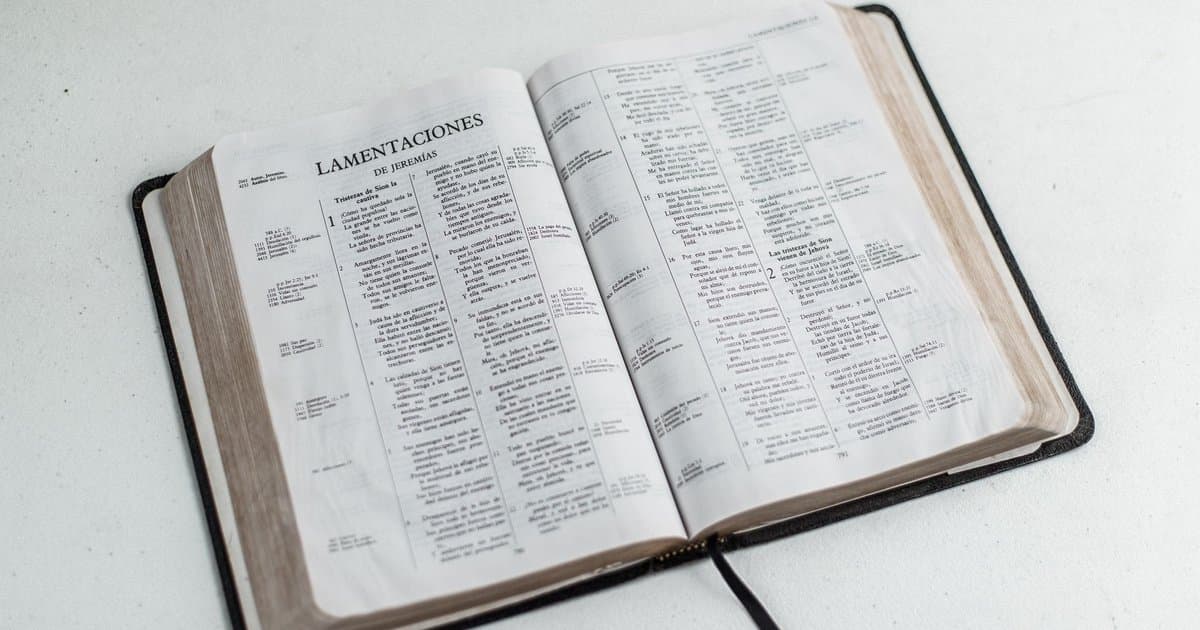
The Scriptures never had this problem. Job sat in ashes and argued with God for chapters. An entire book called Lamentations exists for nothing but grieving a ruined city. The prophets wept out loud, and the Psalms are full of raw, unedited sorrow. Most striking of all, when Jesus hung on the cross, He cried out the opening line of Psalm 22, a lament, asking why God had forsaken Him. If the Son of God prayed a song of sorrow in His darkest hour, then honest grief clearly belongs inside faith, not outside it. The whole Bible makes room for the cry.
Recovering lament does not mean turning worship into a funeral. It means making space for the full range of what people actually carry. It means learning that you can be furious, heartbroken, and confused and still be talking to God, because that conversation is itself an act of trust. Bringing your pain to Him honestly is not weak faith. It is faith refusing to pretend. The church that learns to grieve out loud again gives its people something they desperately need, which is permission to be human in the presence of God and to keep holding on anyway.