Here is a number that stops most people when they hear it. More than half of American adults say they pray every single day. The Pew Research Center's Religious Landscape Study put the figure at roughly 55 percent, and later surveys have kept it close to that mark even as other measures of religious life have slipped. That is not more than half of churchgoers. That is more than half of all adults, including plenty of people who never step inside a sanctuary and would not describe themselves as especially religious. When you look at how the culture talks, how it markets, and how it fills its calendar, you would expect that number to be a small fraction of what it actually is.
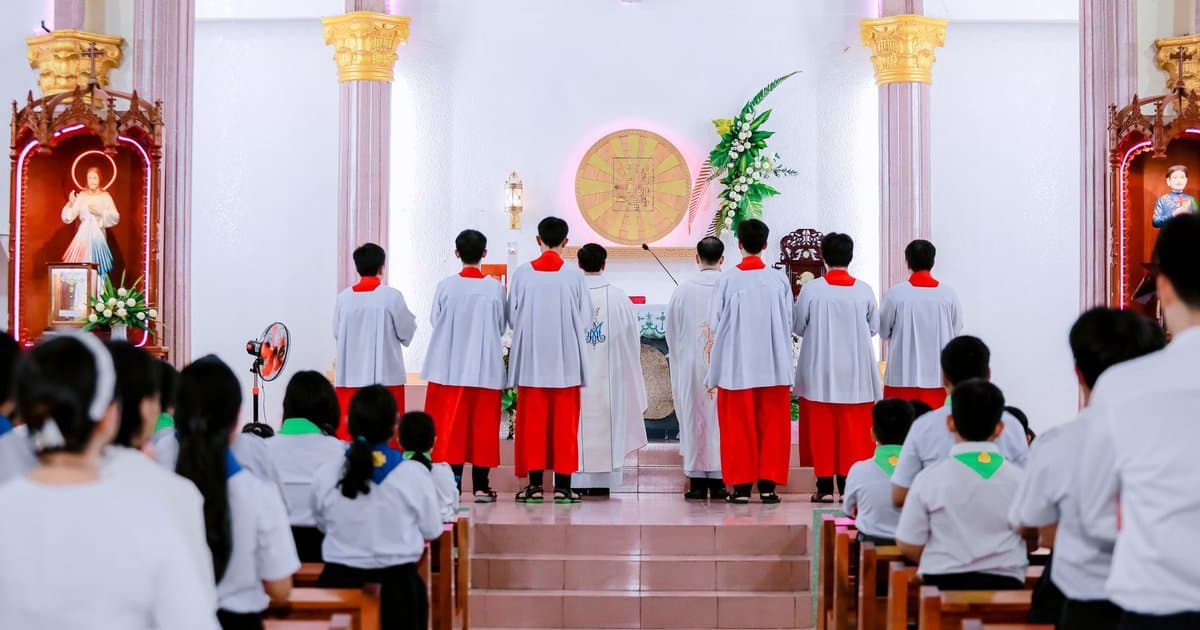
Most of us carry a mental picture of a country drifting away from faith, and parts of that picture are accurate. Weekly attendance at religious services has fallen for decades, and the share of people who claim no religion at all has climbed to record highs. Younger adults in particular are far less likely to belong to a congregation than their grandparents were. So it feels like a contradiction that private prayer would hold steady while public religion shrinks. But those two things measure very different behaviors. Belonging to an institution is public, scheduled, and social, while prayer is quiet, personal, and free, which means it can survive long after someone stops showing up on Sunday.
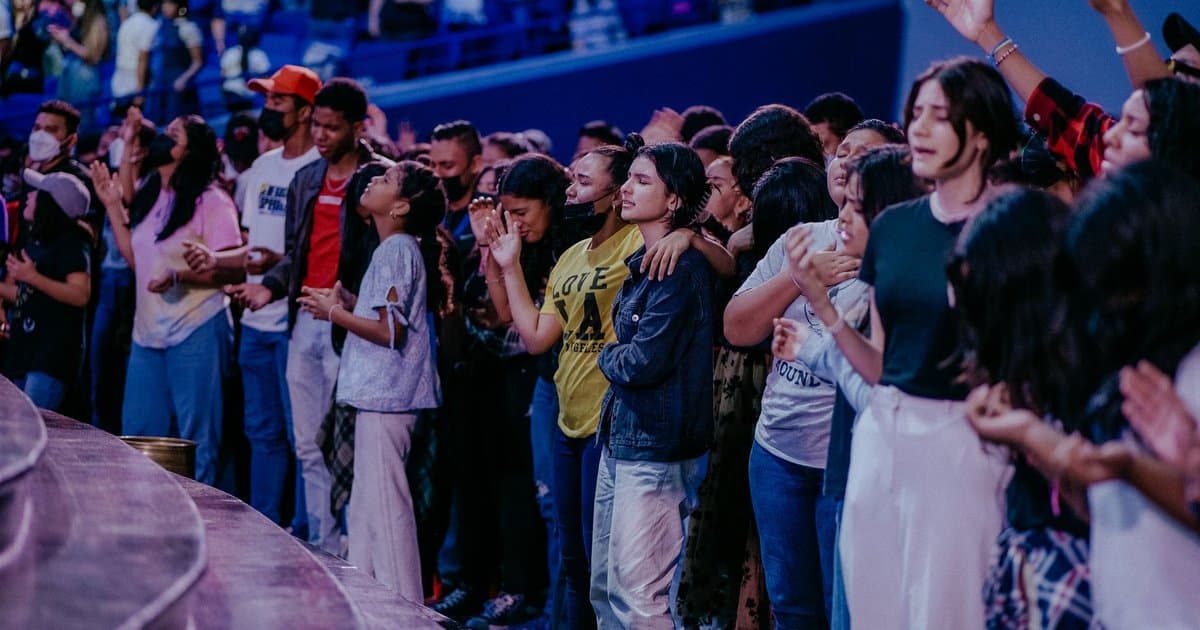
The daily prayer number is not spread evenly, and the breakdown tells its own story. Women report praying daily at noticeably higher rates than men, and older adults pray more than younger ones, which tracks with almost every other measure of religious practice. Yet even among adults under thirty, the group everyone assumes has walked away, a large share still say they pray at least sometimes. Prayer also refuses to stay inside the lines we draw for it. People pray while they drive, before a hard conversation, in a hospital waiting room, and over a kitchen sink at the end of a long day. It does not require a building, a leader, a script, or a witness, and that portability is exactly why it endures.
What people actually pray about is more ordinary than the word prayer suggests. Surveys and simple honesty point to the same short list, which is gratitude, family, fear, and the search for direction when a decision feels too big to carry alone. Very little of it sounds like the formal language you hear from a stage. Most of it is closer to plain talking, and much of it happens in fragments across a normal day rather than in one dramatic session. People thank God for a meal, ask for help with a child, or admit they are scared about money and do not know what comes next. Strip away the assumptions and daily prayer looks less like a ritual and more like a running conversation someone keeps returning to.
You do not have to be religious to find something worth noticing in all of this. The persistence of daily prayer says something about human beings that no amount of technology has changed, which is that we are not built to carry everything by ourselves. People reach for prayer because they need somewhere to put gratitude, fear, and hope that is larger than their own head. That instinct shows up in the middle of the most connected, distracted, and skeptical era in human history, and it has not faded the way many predicted it would. When more than half of a nation quietly does the same thing every day without being told to, that is not a passing trend. That is a signal about what people actually need to get through their lives.
If the statistic surprised you, the practice underneath it is worth a closer look, whatever you believe. Daily prayer does not have to be long, polished, or theologically impressive to count for something. It can be a single sentence in the morning before the noise starts, or a habit of naming three things you are thankful for before you sleep. The people who keep it up rarely describe it as a performance and more often as an anchor, something steady to hold when the day tries to pull them in ten directions. You can treat that as faith, as discipline, or simply as a way to stay honest with yourself about what you fear and what you are grateful for. Whatever you call it, more than half the country already knows the pull, and the number is far bigger than the culture would ever lead you to guess.