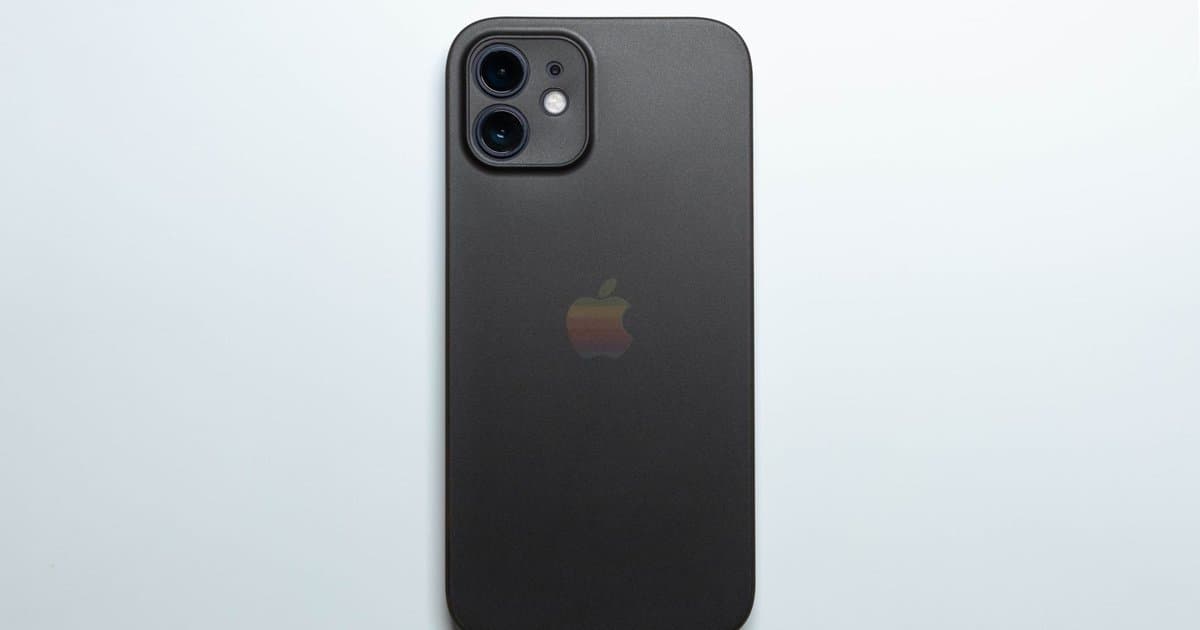
Every year, right on schedule, a new phone arrives with a big event and a wall of ads. The trade in offers land in your inbox, the carrier dangles a deal, and the message underneath all of it is the same. What you have is old, and you should want the new one instead. It is a powerful pull, and it is built to be exactly that. But if you step back from the marketing for a second, the case for upgrading every year, or even every two years, falls apart for most people. The phone in your pocket is very likely fine, and keeping it is the smarter move far more often than the industry wants you to believe.
Here is the part they do not put in the advertisement. The jump from one year's model to the next is small now, and it has been small for a while. A slightly better camera, a slightly faster chip, a small change to the shape of the body. These were big deals a decade ago, when each new phone genuinely did things the last one simply could not. That era is mostly over and has been for years. Today's phones reached good enough some time ago, and the improvements since then have gotten thin. When you hold last year's model next to this year's in normal daily use, most people honestly cannot tell the difference.
The improvements that actually change how your phone feels come from software, not from new hardware. The updates that add features and fix problems get pushed out to phones that are several years old, not only the newest one on the shelf. That means the thing making your phone better and safer is already landing on the device you own right now. As long as your phone still gets those updates, it keeps getting the real gains without you spending a single cent. The hardware you bought two or three years ago is still perfectly capable of running all of them. The new features are not locked behind the new phone nearly as often as the ads quietly imply.
When an older phone does start to feel slow or tired, the real problem is usually the battery, not the whole device. Batteries wear down with everyday use, and after a couple of years they hold less charge and can make the phone feel weak. The good news is that a battery is a small and cheap part to replace compared to a whole new phone. For a fraction of the cost of upgrading, you can have the battery swapped and the phone can feel close to new again. People replace the entire device when all they really needed was to replace one worn out part. It is a little like buying a new car because the tires finally went bald.
The money side is where keeping your phone really starts to pay off. A phone that costs a lot spread over just one year is expensive for every one of those months. That same phone spread over four or five years suddenly costs very little for each month you hold it. The longer you keep a device that still works well, the cheaper it gets every single month you keep it. Upgrading early throws away all of the value you already paid for up front. There is also the waste side of it, since every replaced phone becomes hard to recycle junk. Holding on longer is easier on your wallet and easier on the growing pile of old electronics.
None of this is a rule that you must never buy a new phone again. There are honest reasons to upgrade, and they are worth naming plainly. If your phone stopped getting security updates, it is genuinely time, because that is a real risk to your information. If it is truly broken, or too slow to do what you need even after a fresh battery, then replace it. The point is to upgrade when you have a real reason, not when a calendar and an ad tell you to feel behind. Ask what the new phone actually does that yours cannot already do. If the honest answer is not much, keep what you have and enjoy the money you did not spend.