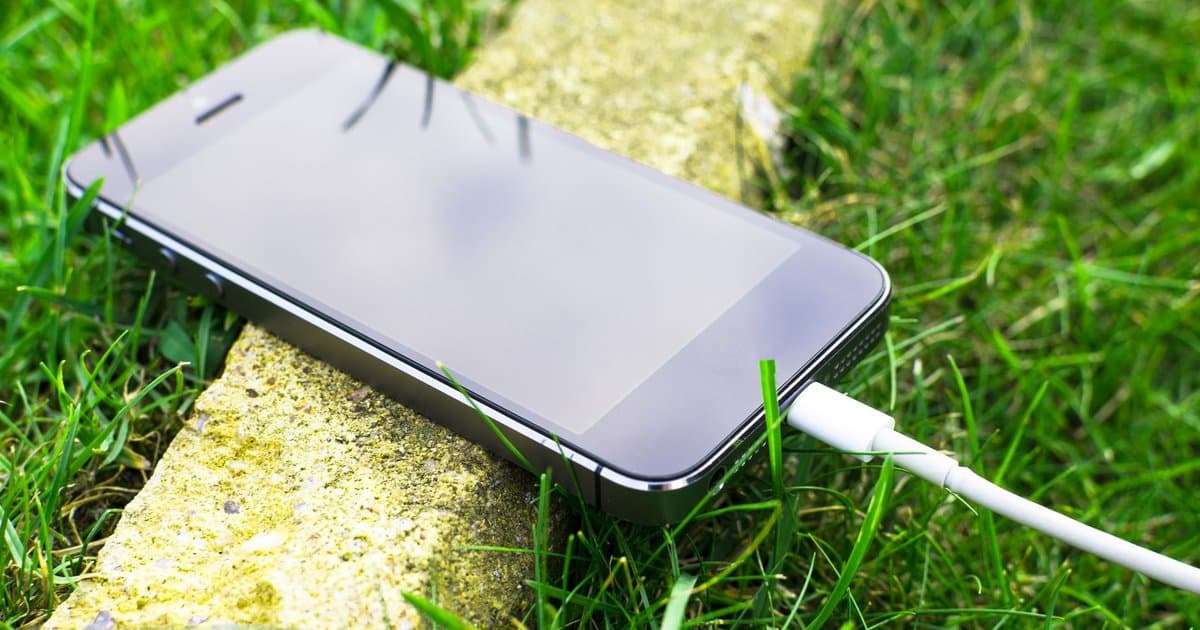
When your phone was new, it probably lasted all day without much thought. A year or two later, it begs for a charger by the afternoon. You did not change how you use it, yet the battery clearly changed. This is one of the most common tech gripes there is, and it is real. Batteries wear out, and they do it a little more with every passing month. The good news is that once you know why, you can slow the decline. A few small habits can add real life to the battery you already own.
Almost every phone uses a lithium ion battery, and the name hints at how it works. Tiny charged particles called ions move from one side of the battery to the other. When you charge, they flow one way. When you use the phone, they flow back. That constant back and forth is what powers your screen and your apps. Each trip wears the inside of the battery down by a very small amount. Over thousands of trips, that tiny wear adds up to a battery that holds less than before.
Makers measure this wear in charge cycles, and the number is worth knowing. One full cycle means using a total of one hundred percent of the battery. That can be one full drain or two half drains added together over a day. Most phone batteries are built to keep about eighty percent of their capacity after roughly five hundred cycles. Past that point, they still work, but they hold noticeably less than when new. So if you fully cycle your phone every day, you reach that mark in well under two years. That is why the drop so often feels like it lines up with your upgrade itch.
Heat is the single biggest thing that speeds this wear, and most people ignore it. High temperatures push the chemistry inside the battery to break down faster. Charging your phone while playing a heavy game builds heat from both ends at once. Leaving it on a hot dashboard in the sun does real damage over time. A warm phone that stays warm is a battery aging in fast forward. If your phone feels hot to the touch, give it a break and let it cool down. That one habit alone protects the battery more than most of the tricks people try.
The far edges of the charge range also add stress to the cells. Sitting at a full one hundred percent for hours puts the battery under steady strain. Draining all the way to zero and leaving it there is hard on it too. The easiest zone for a lithium battery is somewhere in the middle. Keeping the charge roughly between twenty and eighty percent is gentle on the cells. You do not have to obsess over this or watch it all day long. Just avoid living at the two extremes when you can, and the battery lasts longer.
Fast charging and overnight charging worry a lot of people, and the truth is calmer than the fear. Fast charging does create more heat, so heavy daily use of it can matter over years. Modern phones, though, manage the flow and slow down as they fill up. Leaving it plugged in overnight will not overcharge a phone built in the last several years. Many phones now hold at eighty percent and finish just before your alarm goes off. That feature exists for exactly this reason, so it is worth turning on. Used with a little care, normal charging is not the villain it is often made out to be.
Part of the fade is also software and settings, not just the cells themselves. As apps update, they often ask for more power than their older versions did. A bright screen and dozens of apps refreshing in the background drain the battery faster. This can make an aging battery feel even worse than its true health really is. Most phones have a battery health screen that shows your real capacity as a percent. Checking it tells you whether the cell is worn or the settings are the drain. That single number cuts through a whole lot of guessing.
So here is what actually helps, and none of it is hard to do. Keep the phone cool, and never charge it while it bakes in heat. Aim to keep the charge in the middle range instead of at the edges. Turn on the optimized or adaptive charging setting your phone offers. Trim background app refresh and dim the screen a little to ease the load. And when the battery health finally drops too low, replace the battery, not the whole phone. A fresh cell costs a fraction of a new device and can make an old phone feel new again.