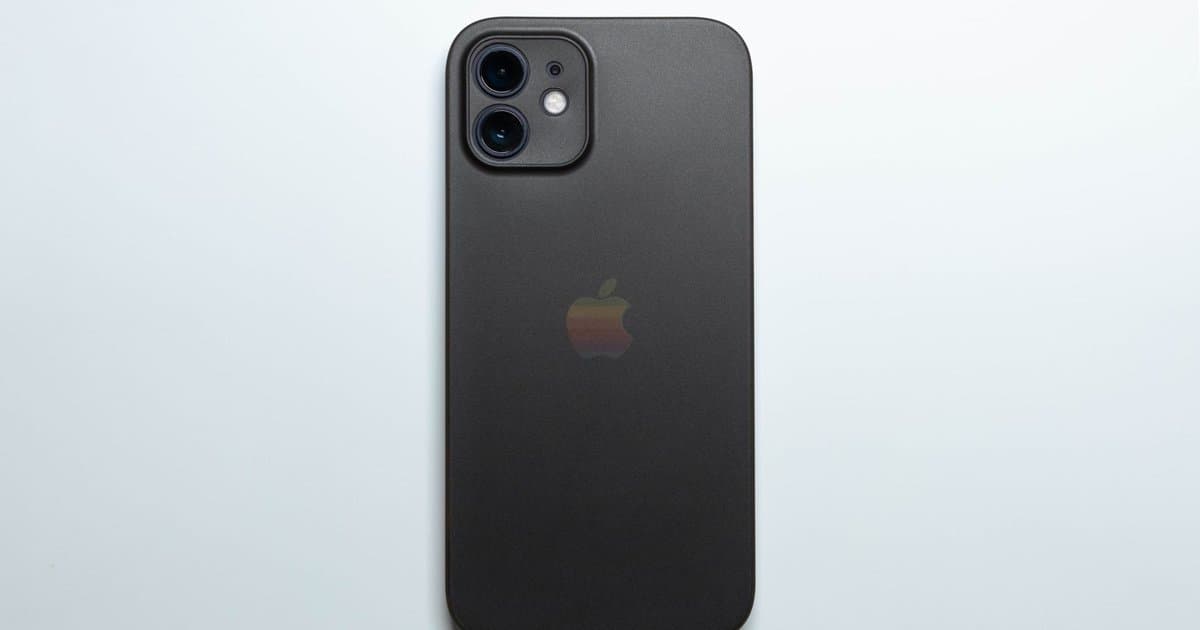
Every year, right on schedule, a new phone arrives with a slightly better camera, a slightly faster chip, and a marketing push designed to make the phone in your pocket feel old. Millions of people line up, trade in, or sign a new payment plan, and most of them could not tell you a single real difference the upgrade made to their daily life a month later. The uncomfortable truth is that for most people, the newest phone is a want dressed up as a need. Once you see how the upgrade cycle actually works, it gets a lot easier to keep the phone you already own and put that money somewhere it matters more.
Start with what actually changes from one model to the next. For years now, phone improvements have been shrinking. The jump from a phone made three or four years ago to today is noticeable. The jump from last year's model to this year's is usually small, a modestly better camera sensor, a bit more speed you will rarely feel, a design tweak most people cannot spot. Phone makers know this, which is why so much of the marketing focuses on emotion and status rather than on features you genuinely lack. If you have to be convinced you need something, you probably did not need it. Your current phone did not get worse the day the new one launched.
Then there is the money, and this is where the real cost hides. A flagship phone now runs well over a thousand dollars, and payment plans make that easier to swallow by breaking it into monthly pieces that feel small. That is exactly the point. Spreading a thousand dollar purchase across two years makes it disappear into your budget, so you stop noticing it, and you upgrade again before it is even paid off. If you did that every year or two, you have spent thousands on incremental improvements. Put that same money in a savings account or an index fund over a decade and the difference to your actual life is enormous. The phone gave you a few weeks of new car smell. The money could have given you real ground.
The battery argument deserves an honest look too, because it is the one real reason people's phones slow down. Phone batteries wear out over a few years, and an older phone with a tired battery genuinely feels worse. But the fix for a worn battery is a battery replacement that costs a small fraction of a new phone, not a whole new device. Many people upgrade the entire phone when all they needed was a fresh battery and maybe a storage cleanup. The device itself was still perfectly capable. Learning that one distinction, a worn battery versus an outdated phone, saves people hundreds of dollars they were about to spend for no reason.
There is also a quieter benefit to holding onto your phone longer, and it is not just financial. Every new phone you buy has an environmental cost in the materials mined, the energy used to build it, and the old device that gets tossed or forgotten in a drawer. Keeping a phone for four or five years instead of two cuts that impact roughly in half over time. You do not have to build your identity around this to appreciate it. It is simply a nice side effect of a decision you were going to make for your wallet anyway. Doing less harm while spending less money is a rare combination worth taking.
None of this means you should never upgrade. If your phone is genuinely too slow to run the apps you rely on, if it no longer gets security updates, or if the screen is cracked past the point of use, replacing it is reasonable. Those are real needs. The point is to upgrade on your actual needs, not on a calendar set by the company that profits from your restlessness. Ask yourself what the new phone truly does that your current one cannot, and be honest. Most of the time the honest answer is nothing you will remember in a month, and that answer is worth listening to.
The contrarian position is simple. The best phone for most people is the working one already in their hand. Keep it until it stops meeting a real need, replace the battery instead of the whole device when you can, and take the money you would have spent chasing this year's model and point it at something that actually improves your life. The marketing is built to make that feel like settling. It is not settling. It is refusing to be told what you need by the people selling it to you, and that is one of the more useful habits you can build in a world designed to keep you upgrading.