Doctors can learn a surprising amount about your health from how hard you can squeeze. Grip strength, the simple force in your hands, turns out to be one of the better clues we have about how the rest of your body is doing. Large studies that followed people for years found that weaker grip lined up with a higher risk of dying early. It tracked with heart disease, with disability later in life, and with slower recovery from illness. That is a heavy claim for something so basic. But the data behind it is hard to wave away.
One of the biggest studies followed nearly 140,000 adults across many countries for several years. Researchers measured grip with a simple handheld device and tracked what happened next. They found that each drop of about 5 kilograms in grip strength linked to a meaningful rise in the risk of death from any cause. In that analysis, grip was a stronger predictor of heart related death than blood pressure for some outcomes. That surprised a lot of people, since blood pressure gets far more attention. The hand was quietly telling a story the rest of the checkup missed.
Grip strength is not magic, and squeezing harder does not directly add years. What it does is act as a window into your whole body. Your hands reflect the strength of your muscles overall, and muscle is tied to how well you age. Strong muscle supports your metabolism, your balance, and your ability to bounce back from a fall or a surgery. When grip fades, it often signals that muscle across the body is fading too. So the number is less a cause and more a mirror of your overall condition.
For older adults, the stakes are concrete. Weak grip is linked to a higher chance of falls, and falls are one of the leading reasons older people lose their independence. It also connects to slower recovery in the hospital and worse outcomes after major illness. A person who can still carry groceries, open jars, and catch themselves has real protection built in. A person who cannot is more fragile than the same person looked ten years earlier. This is why some doctors now treat grip as a vital sign worth checking. It flags trouble before other tests do.
This is not only an issue for the elderly. Grip and overall strength start to decline gradually from around your thirties if you do nothing to hold the line. Most people never notice, since daily life rarely tests them. By the time weakness shows up in normal tasks, years of quiet loss have already happened. The good news is that muscle responds to training at almost any age. Even people in their eighties can gain strength with the right work. The body is more willing to rebuild than most assume.
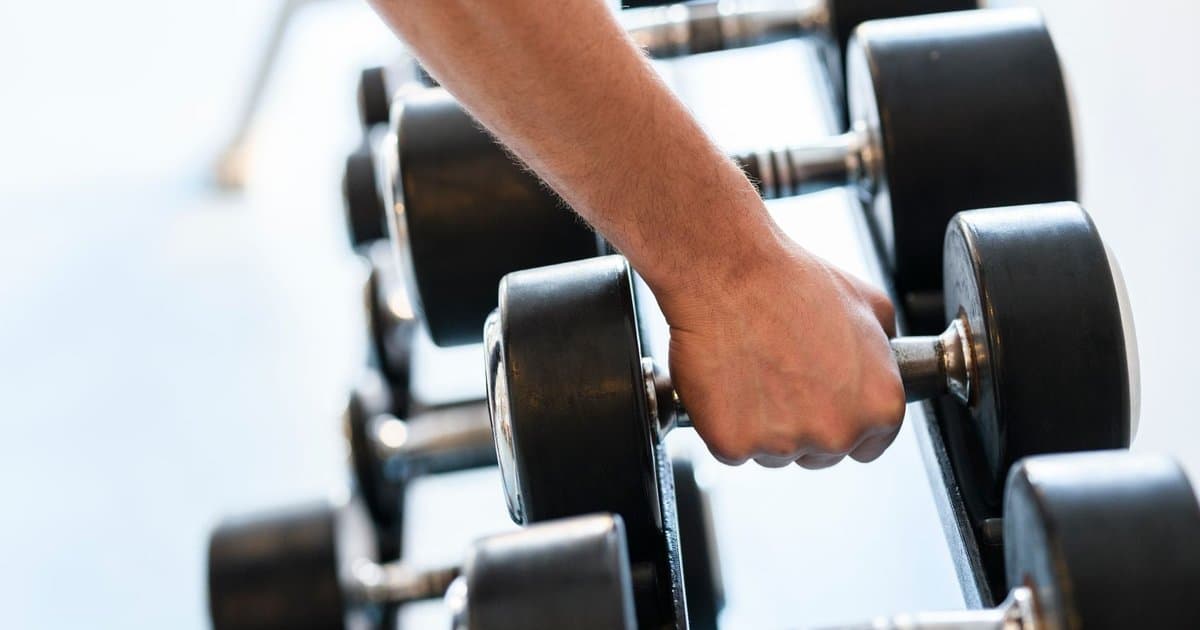
Training grip does not require anything fancy. Carrying heavy things is one of the oldest and best methods, so hauling groceries or a loaded bag on purpose counts. Hanging from a bar builds the hands, shoulders, and back at once. Basic resistance training with weights or bands strengthens the whole chain that grip depends on. Even squeezing a firm ball through the day adds a little. The point is to give your hands and muscles a reason to stay strong. Bodies keep what they use and shed what they do not.
If you want to check where you stand, there are simple ways to do it. A doctor or gym may have a handgrip tool, called a dynamometer, that gives you a number in pounds or kilograms. You squeeze it as hard as you can, and the reading gets compared to typical ranges for your age and sex. At home, you can use rougher tests instead. See how long you can hang from a sturdy bar, since a solid hang for thirty seconds or more is a good sign. Notice whether jars, bags, and doors have gotten harder to manage than they used to be. Track whether your carrying feels weaker over months, not just on one tired day. None of these replace a real measurement, but they point you in the right direction. The goal is not a perfect score, since it is to catch a downward trend early enough to act.
So take the hint your hands are offering. If jars have gotten harder to open or your grip feels weaker than it did, treat that as information, not just aging. It may be a sign to add some strength work before the decline speeds up. You do not need a lab to check in, since noticing changes in daily tasks tells you plenty. Building strength now is far easier than clawing it back after a fall. The warning is quiet, but it is real. Listening to it early is how you keep your independence later.