There is a stubborn belief that looking sharp is mostly a matter of spending more. Buy the better brand, the higher price tag, the name people recognize, and you will finally look put together. It is an easy story to believe and an expensive one to live by, and it is mostly wrong. The thing that makes someone look genuinely well dressed is almost never the price of the garment. It is the fit. A modest shirt that fits your body precisely will read as more expensive than a designer one hanging off your shoulders, and a tailor is how you get there for a fraction of the cost.
Walk through any store and pick up two versions of the same basic item, one cheap and one costly. The expensive one usually has better fabric and construction, and that is real. But neither one is cut for your exact body, because clothing off the rack is built for an average that almost no one actually matches. That is why the model in the ad looks flawless and the same jacket looks shapeless on most people who buy it. The clothing did not change between the rack and the mirror. The body did. Fit is the variable that off the rack pricing cannot solve, no matter how much you spend.
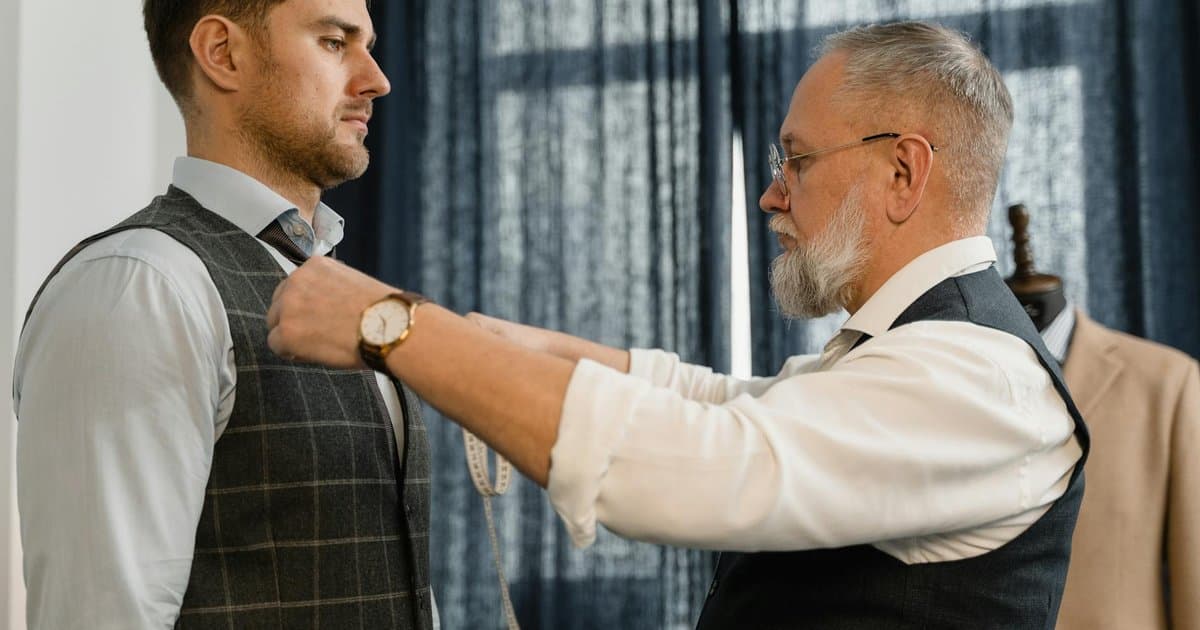
This is where a tailor changes the math entirely. Taking in the waist of a shirt, shortening sleeves to the right length, tapering pants so they break cleanly, or nipping a jacket so it follows your shoulders are small adjustments that cost very little. A basic shirt alteration might run the price of a sandwich. Hemming pants or slimming a silhouette is usually modest as well. For the cost of one expensive impulse buy, you can have several affordable pieces adjusted to fit you exactly, and those adjusted pieces will look sharper than the pricey item ever would on your frame. The return on a tailor is one of the best in your closet.
The reason this works comes down to how people actually perceive clothing. We do not consciously read price tags when we look at someone. We read lines, proportion, and how the fabric relates to the body underneath it. Clean lines and correct proportion signal care and intention, and our eyes register that as quality long before we know what anything cost. Sloppy fit signals the opposite, even on a garment that cost a fortune. This is why a confident person in a well fitted thrift find can outshine someone wearing head to toe luxury that does not fit. The eye rewards fit, not receipts.
There is a practical wardrobe philosophy hiding inside all of this. Instead of chasing more clothes or pricier labels, buy fewer pieces in solid fabrics and decent construction, then invest the small amount it takes to have them fit you. A handful of well fitted basics will carry you further than a closet full of things that almost work. You will reach for the items that fit, leave the rest hanging, and slowly realize that the volume of your wardrobe was never the point. The pieces that fit are the ones you wear, and the ones you wear are the only ones that matter.
None of this requires becoming a clothing expert or memorizing rules about seasons and silhouettes. It requires one habit. When you buy something, ask whether it fits in the shoulders and the chest, since those are the hardest areas to alter, and accept that the length, waist, and taper can be fixed by someone with a sewing machine. Find a local tailor, build a relationship, and bring things in a few at a time. Within a season your clothes will start to look like they were chosen for you, because in a way they were. The path to looking expensive was never about spending more. It was about fitting better, and that has always been the affordable secret hiding in plain sight.