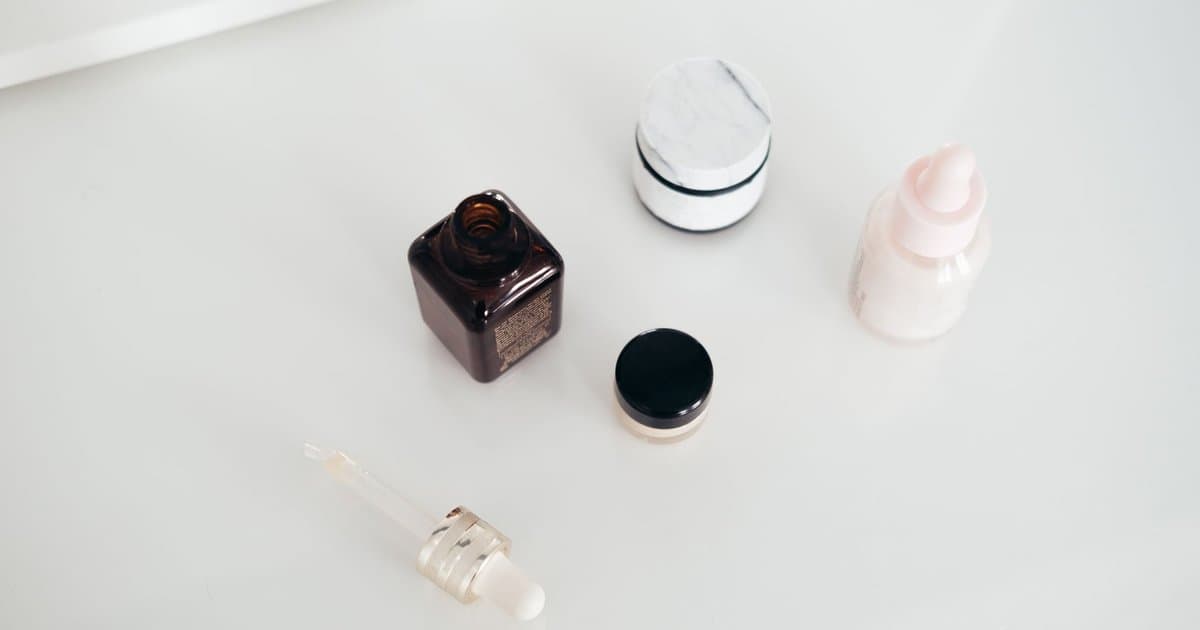
Walk down the skincare aisle and the prices run from a few dollars to a few hundred for what looks like the same small bottle. The industry wants you to believe the gap reflects a gap in results, that the expensive jar holds some secret the cheap one does not. For the most part, it does not. The ingredients that genuinely change how skin looks and behaves are well understood, widely available, and sold at every price point. A retinol that costs fifteen dollars and one that costs a hundred and fifty can carry the same active molecule at a similar strength. You are usually paying more for everything around the ingredient, not for the ingredient itself.
It helps to know the short list of things that actually do something, because it really is short. Retinoids, the vitamin A family that includes retinol, are the most proven ingredient for smoothing texture and softening fine lines. Vitamin C helps with brightness and daytime protection. Niacinamide calms irritation and strengthens the skin barrier. Alpha and beta hydroxy acids like glycolic and salicylic exfoliate the surface. Hyaluronic acid and ceramides hydrate and hold moisture in. And sunscreen prevents more visible aging than every other product combined. That is most of the list, and none of these molecules are rare or expensive to produce.
So what is the premium price actually buying. Usually it is the experience around the product. A heavier glass jar that feels substantial on the counter. A pleasant fragrance, which your skin does not need and can even be irritated by. A silkier texture that makes application feel like a treat. And most of all, a brand name and the enormous advertising budget behind it, the campaigns, the influencers, the store placement. Those things cost real money, and that money ends up in the price you pay. None of them make the retinol work better on the lines around your eyes. They make the ritual feel better, which has value, just not the value of results.
To be fair, price is not completely meaningless, and it would be dishonest to pretend otherwise. Formulation genuinely can matter. Some active ingredients, vitamin C especially, are unstable and can break down before you finish the bottle, so better packaging and delivery systems occasionally justify a higher cost. Concentration and how well an ingredient penetrates the skin can vary from product to product. But these differences are the exception, and they do not track cleanly with the price. Plenty of affordable products are formulated well, and plenty of luxury products are mostly water, fragrance, and a small sprinkle of the active on the label. A high price is not proof of good formulation.
Then there are the words on the front of the box, which are doing marketing work, not describing science. Clean, natural, clinical, and dermatologist developed are not regulated terms with fixed meanings. Natural does not mean gentle, since plenty of natural extracts irritate skin. Clinical sounds like a lab coat but promises nothing specific at all. A long list of botanical extracts often exists to look impressive on the label rather than to change anything on your face. The front of the package is an advertisement. The information that actually matters is on the back, in the ingredient list, and that is the part most people never read.
Shopping well is mostly about ignoring the front and reading the back. Look for one of the proven actives near the top of the ingredient list, since the order roughly reflects how much is in there. Check that the concentration is stated when it matters, as it does with vitamin C or a retinoid. Buy simple products with short ingredient lists and fewer added fragrances. Introduce one active at a time so you can actually tell what your skin likes, and patch test before you commit to it. Consistency beats intensity, so the affordable product you use every night will always beat the luxury one you use twice and abandon.
If you take one thing from all of this, make it sunscreen, and make it a daily habit. Consistent protection does more for how your skin ages than any serum at any price, and good ones are cheap. Beyond that, pick a proven active or two, buy them at a price you can sustain, and use them regularly for months, because results come from time, not from cost. Spend on luxury skincare if the ritual genuinely brings you joy, there is nothing wrong with that at all. Just do it knowing exactly what you are buying. The glow comes from the ingredient and the consistency, not from the price tag.