Here is something the whitening aisle and the dentist office both know, and neither one goes out of its way to explain. The stuff that actually lightens your teeth is the same in almost every product on the market. Whether you buy a box of strips at the drugstore or pay for a chair visit, the active ingredient is a peroxide, either hydrogen peroxide or carbamide peroxide, and carbamide breaks down into hydrogen peroxide once it touches your teeth. That peroxide slips into the enamel and breaks apart the stain molecules that make teeth look dull or yellow. The chemistry is not fancy and it is not a secret. What changes from one option to the next is the strength of the gel and how long it sits on your teeth.
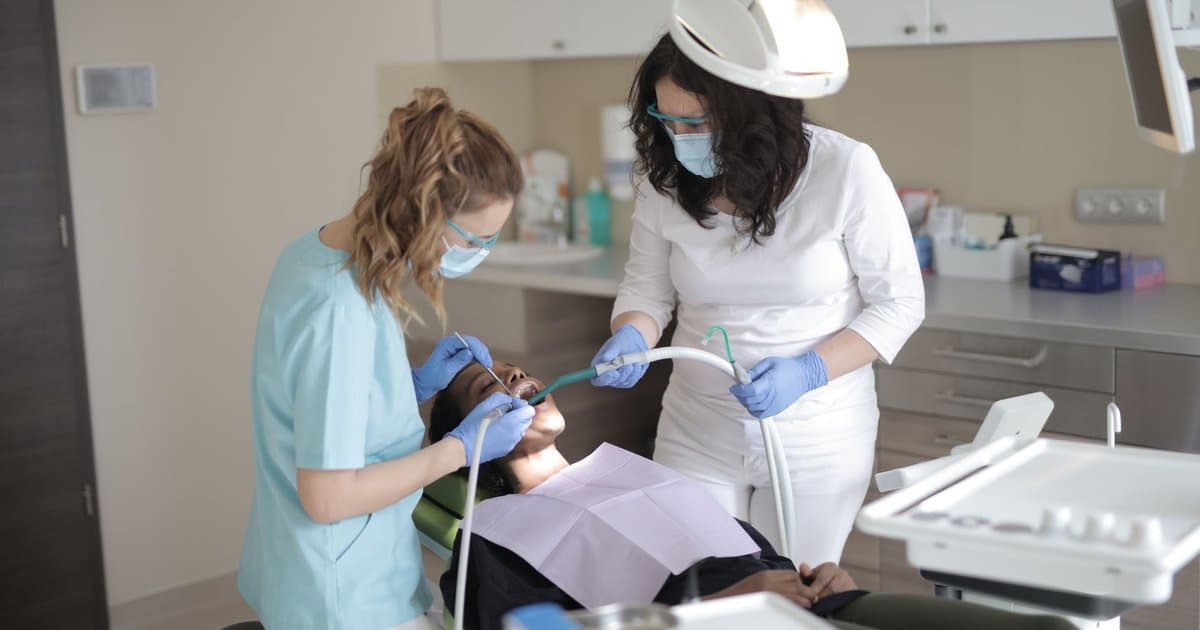
That difference in strength is real, so let me be fair about it. In-office treatments use a much higher concentration, often somewhere between fifteen and forty percent, and a dentist can push visible results in a single visit. Drugstore strips usually sit closer to three to ten percent, which is why they take a week or two of daily use to reach a similar change. Custom trays that a dentist sends home fall in the middle and tend to fit your mouth better than a one size strip. So you are not imagining things when the office version works faster. You are paying for speed, a stronger gel, and a professional watching the process.
Here is the part worth sitting with before you spend hundreds of dollars. Peroxide only whitens natural tooth enamel, and it does nothing to crowns, veneers, bonding, or the tooth colored fillings in your front teeth. Those are made of materials that simply do not react to the gel. If you have any of that dental work up front, whitening can actually make the mismatch more obvious, since your real teeth get lighter while the fake surfaces stay the same shade. A good dentist will tell you this, but a box of strips never will. This single fact is the reason a lot of people end up disappointed after they whiten, so knowing what is real enamel and what is not should come before any purchase.
Sensitivity is the other thing people are not warned about clearly enough. When peroxide moves through the enamel, it can reach the softer layer underneath and irritate the nerve for a while, which shows up as those sharp cold twinges. This is temporary for most people and fades within a day or two after you stop. You can lower the odds by whitening every other day instead of daily, using a toothpaste made for sensitive teeth for a couple of weeks beforehand, and never leaving the gel on longer than the directions say. More gel and more time do not give you dramatically whiter teeth, they mostly give you a sore mouth. Gum irritation is common too when a strip or tray overlaps the gumline, which is one honest point in favor of custom trays.
Now the part that quietly costs people the most over time. Whitening is not permanent, and no version of it is, no matter what you pay. The results start to fade within months because the same drinks and habits that stained your teeth in the first place go right back to work. Coffee, tea, red wine, dark soda, and tobacco are the usual suspects, and they restain enamel that the peroxide just made a little more porous. That is why the office glow you paid a premium for does not last much longer than a careful run of drugstore strips. Rinsing with water after staining drinks, sipping through a straw, and doing a short touch up every few months will protect your results far more than the price of the first treatment ever will.
So what actually matters when you decide how to whiten. It comes down to the strength of the gel, how long it stays on your teeth, and the health of your enamel before you start, not the logo on the box or the address of the office. For most people with healthy teeth and ordinary staining, a well used set of strips or a dentist made tray gets them most of the way there for a small fraction of the in-office price. The office version earns its cost when you want fast results for an event, when you have stubborn deep stains, or when you want a professional to check for cavities and gum problems first, which you should do anyway. Whiter teeth are mostly a matter of a common chemical, enough contact time, and realistic expectations. It also helps to whiten right after a cleaning, when surface buildup is gone and the gel can reach the enamel more evenly. And if your teeth are already sensitive or you have some gum recession, a short talk with a dentist before you start is worth more than any product on the shelf. Once you understand that, you stop overpaying for a result you can largely get on your own.