Almost everyone has felt it. The phone that opened apps instantly on day one starts to stutter a year or two later, and by the time it is a few years old, simple tasks feel like wading through mud. It is easy to assume the company designed it that way to push you toward an upgrade, and while there is a kernel of truth buried in there, the real story is more about how phones and software change over time. A slow phone is usually the result of several ordinary forces stacking up at once. None of them are dramatic on their own, but together they turn a fast device into a frustrating one. Understanding what actually causes the slowdown also tells you how to fight it.
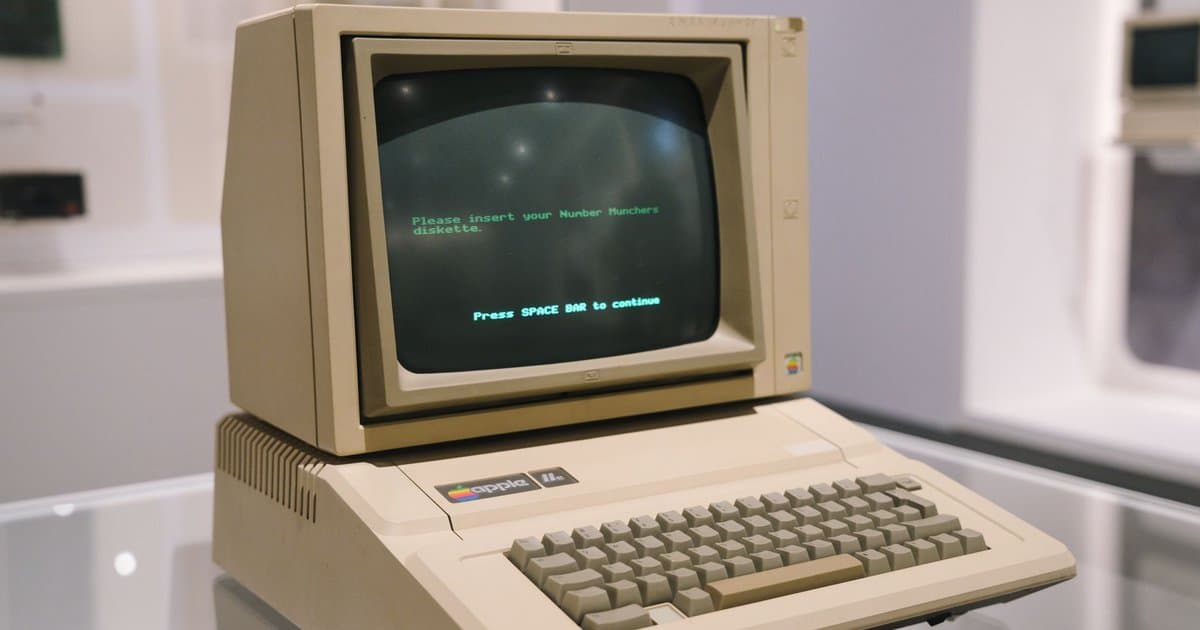
The biggest factor is that the software keeps getting heavier while the hardware stays the same. When your phone shipped, its apps and operating system were built for the chips of that year. Every update after that adds features, animations, and background processes designed with newer, faster phones in mind. Your two-year-old processor is now running software that assumes it has more power than it does, so everything takes a beat longer. App makers do the same thing, piling on functions and higher resolution assets that quietly raise the cost of opening the app. The phone did not get slower in a vacuum, the demands placed on it grew faster than it could keep up with.
Storage is the second culprit, and it is the one people overlook most. Phone storage relies on flash memory, which slows down noticeably as it fills past about eighty percent of capacity. The system needs free space to shuffle files around and write temporary data, and when that space runs low, every operation gets sluggish. Years of photos, videos, app caches, and downloads quietly eat that headroom until the phone is gasping for room. This is why a near-full phone often feels dramatically slower than the same phone with space to breathe. Clearing out old files and moving photos to the cloud can bring back speed you thought was gone for good.
The battery plays a sneaky role that most people never connect to speed. Lithium-ion batteries wear down with every charge cycle, and after a year or two they cannot deliver power as smoothly as they used to. To prevent sudden shutdowns, phones will deliberately slow the processor down when the battery is aged and struggling to keep up with demand. This is the famous throttling that caused so much controversy a few years back, and it is still how phones protect themselves from a tired battery. The trade is real but it is not a trick to force an upgrade, it is the difference between a slightly slower phone and one that dies at forty percent. Replacing a worn battery is often the single cheapest way to make an old phone feel fast again.
Then there is the clutter you add without realizing it. Every app you install can run background processes, send notifications, and sync data when you are not looking. Stack up dozens of them and your phone is constantly doing small bits of work that compete for the same limited resources. Old apps that no longer get updated can behave badly, holding memory or draining the processor for no good reason. Even your home screen widgets and live wallpapers take a small toll that adds up. A phone loaded with years of forgotten apps simply has more going on under the surface than a fresh one.
It is worth clearing up one common myth while you are at it. Constantly swiping away your open apps does not speed up the phone, and it can actually slow things down, since reopening an app from scratch uses more power than waking a paused one. Modern systems are built to manage memory on their own, so that habit mostly wastes your time. Heat is the real enemy to watch, because high temperatures stress the battery and force the processor to throttle. Keep the phone out of hot cars and direct sun, and take the case off if it runs warm during heavy use. Treating heat as the thing to avoid does more for long-term speed than any cleanup app you can install.
The good news is that most of this is reversible without spending much. Free up storage until you are well under that eighty percent line, and delete apps you have not opened in months. Restart the phone regularly, since a fresh start clears out memory that has been clogged by long-running processes. Check your battery health in settings, and if it has dropped below the low eighties, a replacement will likely do more than any software trick. Keep the operating system updated for security, but be realistic that a very old phone may not run the newest version smoothly. With a little maintenance, the slowdown that feels like a death sentence is often just a phone asking for a cleanup.