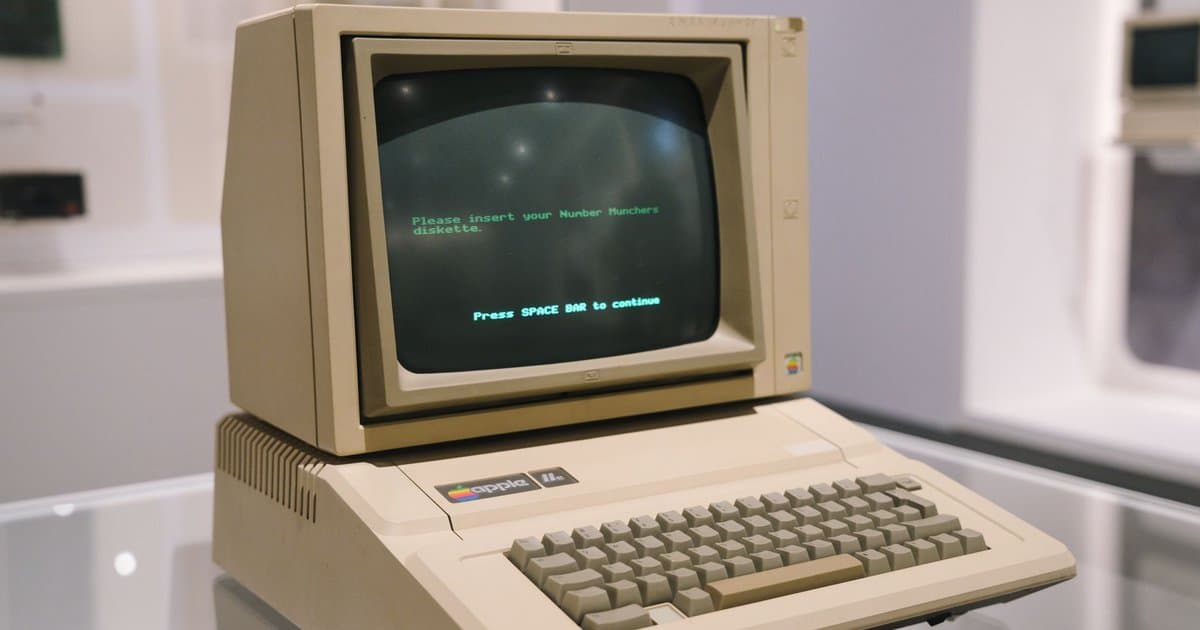
A phone that felt instant the day you bought it can feel tired two years later, and the strange part is that the chip inside did not get weaker. The processor that opened apps in a blink is physically the same silicon it always was. So the slowdown people blame on a dying phone is rarely the phone wearing out. It is a stack of smaller changes piling up underneath the surface, most of them invisible, none of them announced. Once you understand what is actually happening, you can reverse a good amount of it without spending a dollar. The feeling of a slow phone is usually a fixable condition, not a death sentence.
The first culprit is software that keeps getting heavier while your hardware stays still. Every operating system update and every app update is built and tested on the newest devices, which are faster and roomier than the one in your pocket. New features, animations, and background services assume that extra headroom, so they run a little slower on older hardware that was never designed for them. App developers do the same thing, layering on functions that bloat a program that used to be lean. Your phone did not slow down so much as the software around it sped up and left it behind. That is why a device can feel quick for a year, then drag after a couple of big updates.
Storage is the second hidden weight, and it is the one people cause themselves. When a phone fills up with photos, videos, and apps, the system loses the free space it needs to work smoothly. Modern phones use a chunk of empty storage as a scratch pad for temporary files and quick memory swaps, and when that space shrinks, everything stutters. A device sitting at 95 percent full will feel noticeably slower than the same device at 60 percent. Years of accumulated app caches, old downloads, and forgotten messages quietly choke the system. Clearing even ten or fifteen gigabytes can wake a phone up in a way that feels almost like new hardware.
Then there is the battery, and this is the one most people never suspect. Lithium ion batteries lose capacity as they age, and once a battery is worn enough, it can no longer deliver power in the sudden bursts a processor demands at full speed. To keep the phone from shutting off unexpectedly, the system steps in and slows the processor down on purpose. This is real, and it became public knowledge when a major manufacturer admitted it was throttling phones with aged batteries to prevent crashes. So a phone with a tired battery is often a phone running below its true speed by design. On many devices you can check battery health in settings, and a worn battery is a strong sign that a cheap replacement, not a new phone, will fix the problem.
Background activity rounds out the picture. Over time you install more apps, and many of them run quietly in the background, refreshing feeds, checking for notifications, and tracking location even when you are not using them. Each one is a small tax on memory and processing, and together they add up to a phone that always feels a step behind. Notifications stack up, widgets keep updating, and the system juggles more than it did when the device was fresh out of the box. None of this is dramatic on its own. The drag comes from the total load, the way a desk slowly disappears under paper you never threw away.
The good news is that most of this is recoverable. Free up storage until you have real breathing room, delete apps you do not use, and turn off background refresh for the ones you rarely open. Check your battery health and replace the battery if it has fallen well below its original capacity, since that single swap can restore lost speed for a fraction of the cost of a new device. Restart the phone now and then to clear out temporary clutter, and be a little skeptical of every update that promises more features on old hardware. A phone that feels slow is usually telling you it is full, tired, or overworked, not that it is finished. Treating the cause instead of replacing the whole device can buy you another year or two of speed you already paid for.