You block off a Saturday, put on music, and clean the whole place. Counters wiped, floors done, dishes away. Then you sit down, look around an hour later, and somehow it already looks like you never started. This is one of the most common frustrations people have with their own homes, and it almost never comes down to how hard you scrubbed. The issue is that cleaning and tidying are two different jobs, and most of us only do one of them while expecting the result of both.
Cleaning is removing dirt. Tidying is deciding where things live and putting them back there. You can clean a surface perfectly and it will still look messy the moment a few objects land on it, because those objects have no home to return to. A counter with no clutter looks clean even when it is a little dusty, while a counter buried in mail, chargers, and odds and ends looks dirty even right after you wiped it. Your eye reads visual chaos as mess, not actual grime, which is why a spotless but cluttered room never feels finished.
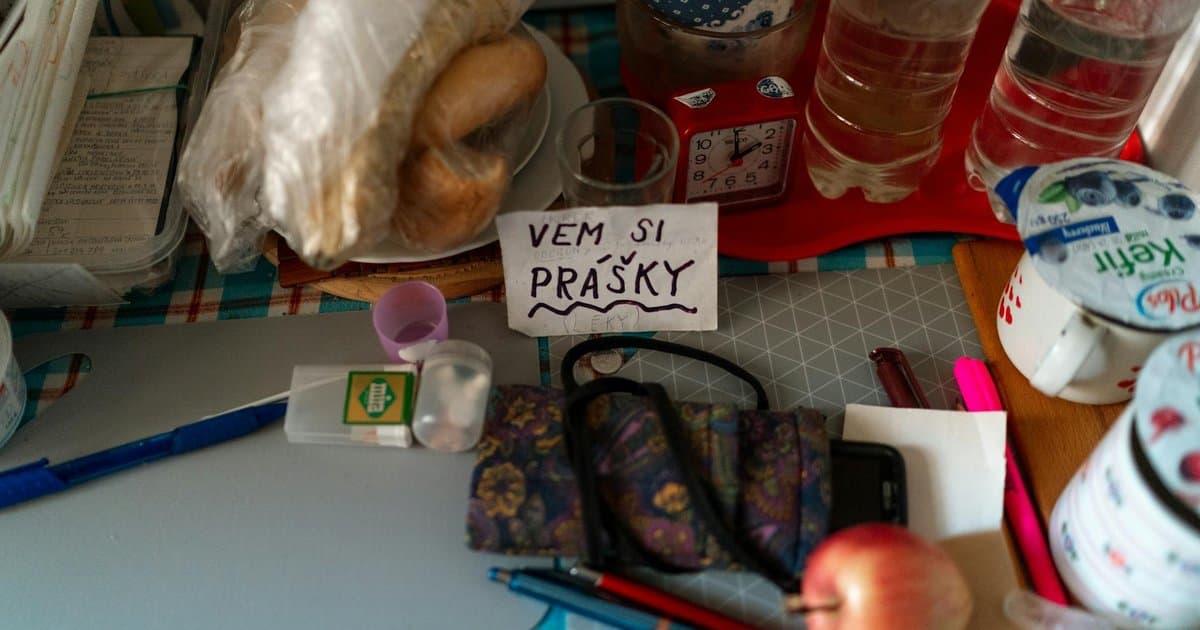
The real culprit is usually a small number of items with no assigned place. Mail that lands on the table because there is no spot for it. Bags dropped by the door. The phone charger, the keys, the random thing you meant to deal with later. These homeless objects drift to flat surfaces and pile up within hours, and no amount of scrubbing touches them. Until each one has a clear place to go, you will keep losing the same battle every single day, cleaning the symptom while the cause sits untouched.
There is also a math problem most people ignore. The more stuff you own, the more there is to put away, and the faster any surface fills back up. A room with half the objects in it takes a fraction of the time to reset and stays neat far longer between resets. This is why people who own less often seem to have tidier homes despite cleaning less. They are not more disciplined. They simply gave themselves less to manage, so the natural drift of daily life has fewer things to scatter.
The fix is less satisfying than a deep clean but far more durable. Walk through the rooms that frustrate you and find the items that have no home. Give each one a real, specific place, close to where you actually use it, not in a drawer across the house you will never bother with. The charger lives in this spot. The keys go on this hook. The mail goes straight into this tray and gets sorted on this day. Once everything has a place, putting things away becomes a five minute task instead of an afternoon project.
It helps to build a short reset into the end of each day rather than saving everything for one big push. Ten minutes before bed, walk the main rooms and return the drifting objects to their homes. Because each thing has a place now, this goes quickly and the house starts every morning at zero instead of at the mess you left. People who do this rarely need the all day Saturday clean anymore, because the clutter never gets the chance to build into something overwhelming. The reset works because it is small enough to actually do when you are tired, which is the real test of any habit. A big clean depends on motivation you will not always have, while a ten minute pass depends only on a timer and a little stubbornness. That is why the people with the calmest homes are rarely the most disciplined cleaners. They simply lowered the bar to something they can clear every single day.
It helps to be honest about the surfaces that collect the most chaos, because every home has them. There is usually one table, one counter, or one chair that becomes the default dumping ground for whatever does not have a place yet. That spot is not a character flaw, it is information. It is telling you that the things landing there need homes nearby, or that there are simply too many of them passing through. Pay attention to what actually piles up and you will find the two or three categories causing most of the visual mess. Solve those specific piles and the whole room calms down, because you fixed the real source instead of wiping the same surface again and again.
None of this means your standards are wrong or that you are lazy. It means you have been fighting the wrong fight. Scrubbing harder cannot fix a clutter problem, and buying more storage bins usually just hides the issue while the count of objects keeps climbing. The homes that feel calm are not the ones that get cleaned the most. They are the ones where most things have a place and there are not too many things to begin with. Solve those two and the feeling you have been chasing shows up almost on its own.