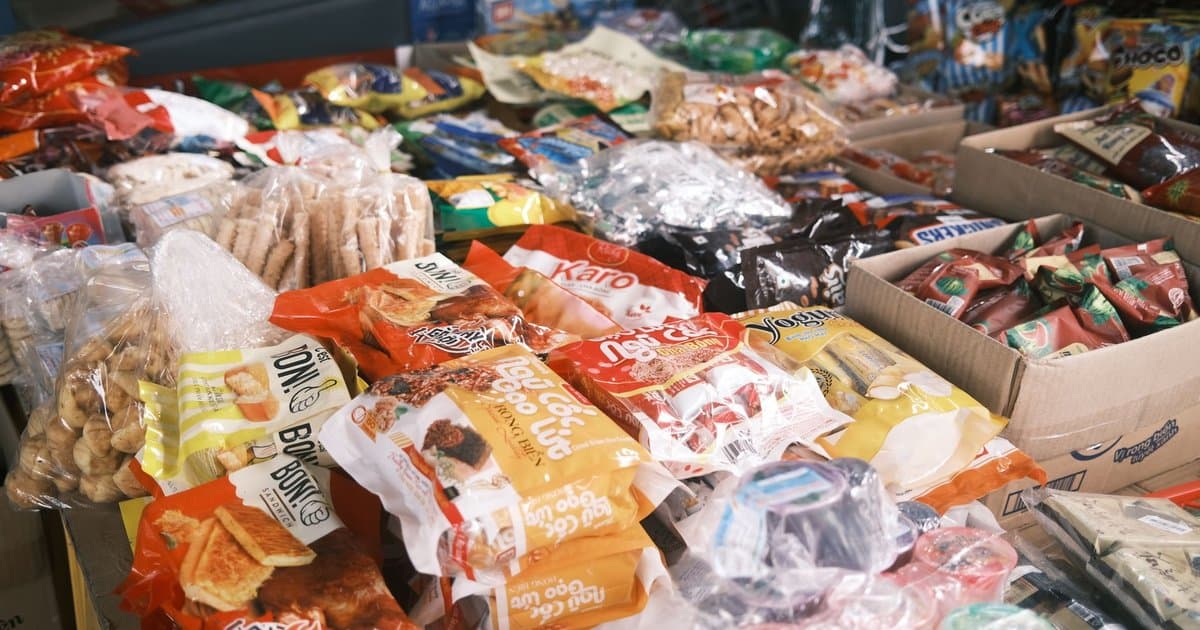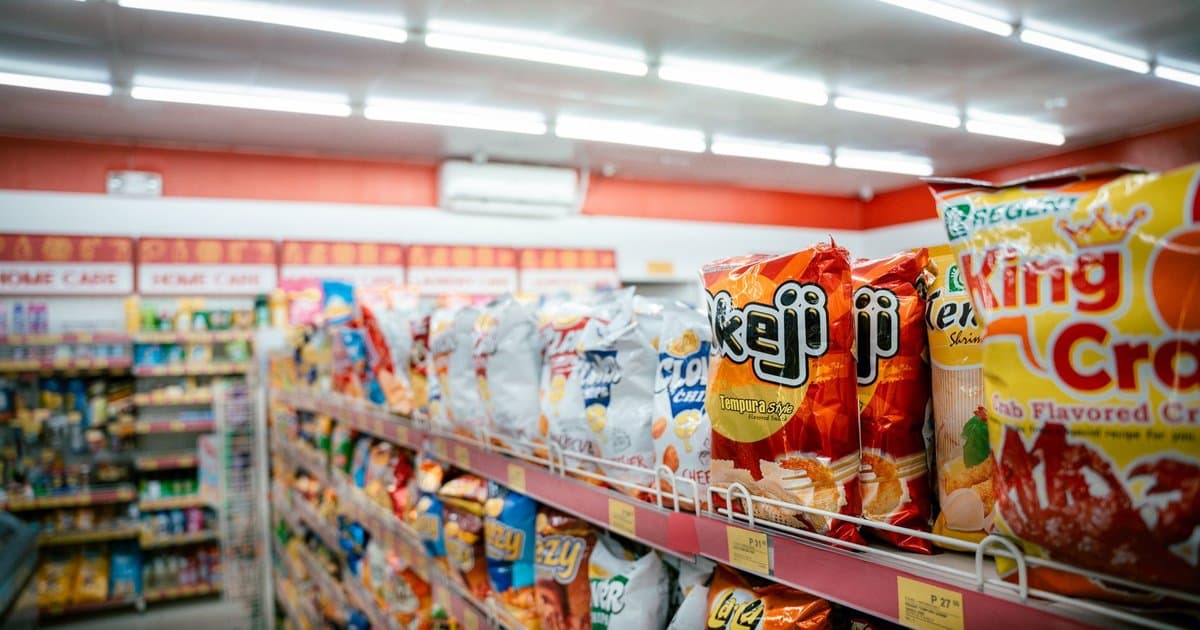
A grocery store looks like a neutral warehouse of food, but almost nothing about it is accidental. Every shelf, every path, and every smell has been arranged to move you through the building a certain way and keep you spending. Once you know what to look for, a trip down the aisles reads like a map of your own habits. The store is quietly telling you what it wants you to buy and where it expects you to give in. None of it is sinister, exactly. It is just design, and the design is aimed squarely at your cart.
Notice what greets you at the door, which is almost always produce and flowers. Fresh fruit and bright bouquets set a pleasant, wholesome tone the moment you walk in. There is also a subtle psychology at work, because starting with something healthy makes shoppers feel virtuous enough to justify treats later on. The first several feet past the entrance are a decompression zone, where you are still adjusting from the parking lot. Stores know you barely register products there, so they rarely waste prime deals on that stretch. The real selling begins once you have settled into the rhythm of the trip.
Ever notice that milk, eggs, and bread are almost always pushed to the far back corners. These are the items nearly everyone came for, and their placement is completely deliberate. To grab a single gallon of milk, you have to walk past hundreds of other products first. Spreading the essentials to opposite ends of the store stretches your path even further. Every extra aisle you cross becomes another chance for something to land in the cart. The longer route is not an accident of the building, it is the entire point of it.
Look at the shelves themselves and you will start to see a hierarchy. The most profitable brands sit right at adult eye level, the zone retailers call buy level, because that is what your hand reaches for without thinking. Cheaper options and plain store brands get pushed to the very top or down near your ankles, where you have to work to find them. Sugary cereals and snacks aimed at children sit lower, precisely at a kid's eye line. The shelf is not organized by logic or by price, it is organized by margin. Bending down or reaching up is often exactly where the savings hide.
Those big displays at the ends of the aisles feel like deals, and that feeling is engineered. Endcaps grab attention and imply a discount, but the products on them are frequently sold at full price. Shoppers assume anything featured so prominently must be marked down, and stores quietly count on that assumption. A cheap rotisserie chicken or milk priced under cost is another classic move, a loss leader meant to pull you in. The store loses a little on that item and expects to make it back on everything else you grab. The bargain is real, but it is also bait.
The whole environment is tuned to keep you inside longer, because time in the store tracks closely with money spent. Many grocery stores play slow, easygoing music, which subtly slows your pace as you shop. You will rarely see a clock or a window, so you lose track of how long you have been wandering the aisles. The smell of fresh bread or roasting chicken near the entrance is not just pleasant, it makes you hungry. A hungry shopper buys more, especially the impulse items that were never on the list. Even the cart is bigger than it used to be, because a roomy cart quietly encourages you to fill it.
The final nudge waits at the register, where candy, gum, and magazines line the lane. That placement targets the tired shopper standing in line with nothing to do but browse. After an hour of small decisions, your willpower is low, and a treat is easy to toss on the belt. None of this means the store is your enemy or that you should feel tricked walking out. It just means the building was designed with a goal, and awareness is your best defense against it. Walk in with a list, eat before you go, and the map loses most of its power over your cart.