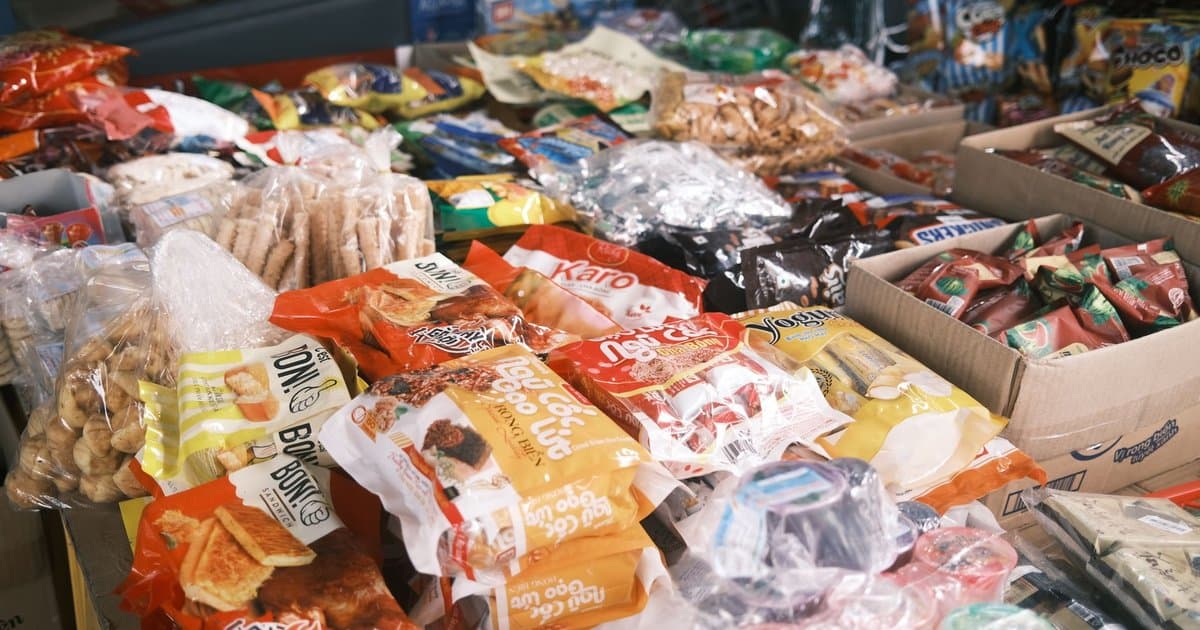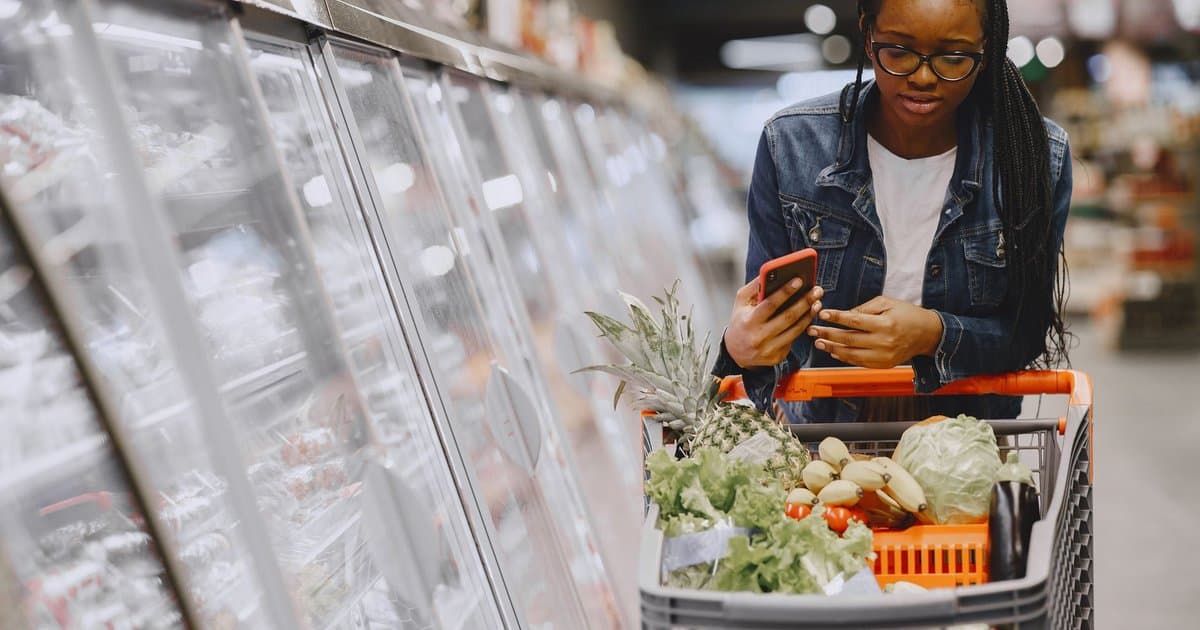
Walk into any large grocery store and it feels neutral, like a warehouse someone happened to fill with food. It is the opposite of neutral. Store layouts are studied, tested, and adjusted down to the individual shelf, and the goal of that design is to keep you inside longer and send you home with more than you planned to buy. The surprising part is not that stores want you to spend, because everyone already knows that much. The surprising part is how much of your cart gets decided by the building itself before you make a single conscious choice. You think you are steering, and you are, but the track was laid out in advance. Once you can see the design, it loses most of its power over you.
Start with what greets you at the entrance. It is almost always fresh produce and cut flowers, bright colors stacked in neat pyramids, with the smell of a bakery running somewhere in the background. That opening is carefully staged. Produce and flowers make the entire store feel healthy and abundant, and that first impression quietly softens you for everything that comes after. The bakery smell is doing real work too, because warm bread and sugar wake up your appetite and put you in a looser, more forgiving mood. Stores want you a little hungry and a little happy walking in, because both of those states loosen your grip on the list you brought.
Now think about where the things you actually came for tend to live. Milk, eggs, bread, and other everyday staples are usually pushed to the back wall and the far corners, almost never near the door. That placement is not only about keeping the coolers close to the loading dock. It forces you to walk the full length of the store to reach the basics, passing thousands of products along the way, and every aisle you cross is another chance for something extra to land in the cart. The main walkways are wide and the natural path loops the long way around, because a longer trip reliably produces a bigger receipt. If you have ever gone in for two items and come out with twelve, the floor plan deserves as much credit as your appetite did.
Look closely at how the shelves themselves are stocked. The rule inside the industry is that eye level is buy level, and the most profitable brands pay real money for the shelf space between your shoulders and your eyes. The cheaper store brands and the larger value sizes usually sit down low or up high, where you have to crouch or stretch to reach them. There is a second eye level that matters even more if you shop with kids, because the sugary cereal and the candy sit at a child's height on purpose. The countermove is almost embarrassingly simple once you know it. Glance up and glance down before you grab whatever is staring back at you, since the better price is often only a few inches out of the easy reach zone.
The price tags are their own small theater. A sign that reads ten for ten dollars is just a dollar apiece, but the round number and the repetition nudge you to buy ten when you truly needed two. Multiple pricing, buy one get one offers, and oversized colorful tags all work through anchoring, planting a big number in your head so the deal feels larger than the math supports. A few items near the front are sold at a loss on purpose, known as loss leaders, because a great price on milk or eggs pulls you through the door and the store earns it back on everything else you touch. The end caps at the head of each aisle look like clearance but are frequently full price, simply rented to whichever brand paid for the display. The only number that never lies is the unit price, the little tag showing cost per ounce or per pound, and comparing that cuts straight through the noise.
The final trap waits at the register, the impulse zone, stocked with candy, gum, cold drinks, and magazines for the exact moment your willpower is running low. Even the cart is part of the plan, because shopping carts have grown larger over the years and a bigger basket makes a half-full load look sparse and unfinished. Many stores skip windows and clocks entirely so you lose track of how long you have been wandering, and some play slower music because a slower pace keeps you browsing. None of this means the store is cheating you, and none of it has to work on you once you name it. You can beat nearly all of it with a written list, a full stomach, and the quick habit of checking the unit price before anything goes in. Shop the perimeter for your basics, set a number you refuse to cross, and the building stops doing your shopping for you.