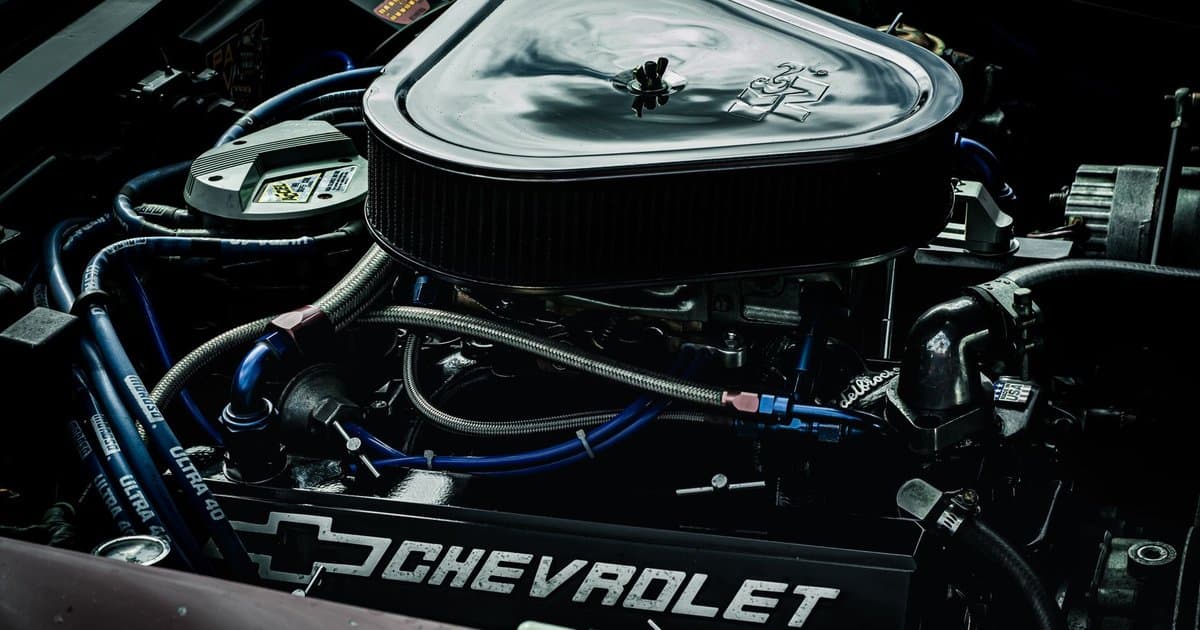
If you own a car, a phone, a laptop, or any major appliance, you have probably been told a version of the same warning. Use anything other than the manufacturer's own parts or authorized service, and you void your warranty. Dealers repeat it. Salespeople imply it. The little sticker on the back of your device seems to confirm it. What almost nobody mentions is that a federal law has said the opposite for fifty years. It is called the Magnuson-Moss Warranty Act, and it exists specifically to stop companies from holding your warranty hostage.
The law was passed in 1975, and one part of it matters more than the rest for everyday buyers. A company cannot require you to use its branded parts or its in-house service to keep a warranty valid, unless it provides those parts and that service for free. Since almost no one gives away parts and labor for free, the requirement almost never holds up. That means you can change your own oil, take your car to a local mechanic, or install a third-party battery, and the warranty on the rest of the product stays intact. The same logic covers phones, tractors, refrigerators, and game consoles. The right applies to any consumer product that costs more than a small minimum and comes with a written warranty.
There is a catch worth understanding, because the protection is not unlimited. A manufacturer can still deny a specific repair if it can show that a third-party part or an outside repair actually caused the failure. The key word is caused. If you put a cheap aftermarket part in your engine and that exact part destroys the engine, the company can refuse to cover that damage. What it cannot do is deny an unrelated claim just because you once used a non-brand part somewhere else. Your new stereo does not void the coverage on your transmission. The burden of proof sits with the company, not with you, and that detail changes the entire conversation.
This is where the famous stickers come in. You have seen them on phones, game consoles, and computers. They say warranty void if removed, sometimes printed right across a screw or a seam. Federal regulators have stated plainly that these stickers are generally not enforceable on consumer products in the United States. In 2018 the Federal Trade Commission sent warning letters to several large companies telling them to stop using that language, because it misleads buyers about their rights. The sticker still sits there on millions of devices, doing its quiet work of discouraging people from opening what they own. The tag is a suggestion dressed up as a rule.
The reason so few people know any of this is simple. The people who benefit from your confusion are usually the ones explaining the warranty to you. A dealership makes money on service, so it has every reason to imply that outside service is risky. A manufacturer would prefer you buy its parts, so it has no incentive to advertise your freedom to shop elsewhere. None of them are technically lying when they stay quiet, and that silence does most of the work. The result is a widespread belief that has very little basis in law, and people pay more, drive farther, and wait longer to protect a warranty that was never actually at risk.
Knowing your rights only helps if you keep the paperwork to back them up. Save receipts for any part you buy and any service you pay for, and note the mileage or the date when the work was done. If you use an independent shop, ask them to write down what they installed and when. Should a company ever try to deny a claim because of outside work, that record forces the conversation onto real ground. You can ask, in writing, for the specific reason the claim was denied and the evidence that your part caused the problem. Most disputes end quietly once a company realizes you understand where the burden of proof sits.
This one piece of knowledge is worth real money over the life of the things you own. Independent repair is often far cheaper than authorized service, and third-party parts can cost a fraction of branded ones. Multiply that across a car, a couple of phones, a laptop, and the appliances in your home, and the savings add up to hundreds or thousands of dollars over the years. The point is not that dealer service is always wrong, because sometimes it is the right call. The point is that the choice belongs to you, and it should be made on price and trust, not on fear. A warranty is a promise the company made to you, and that promise does not disappear the moment you act like the owner you already are.