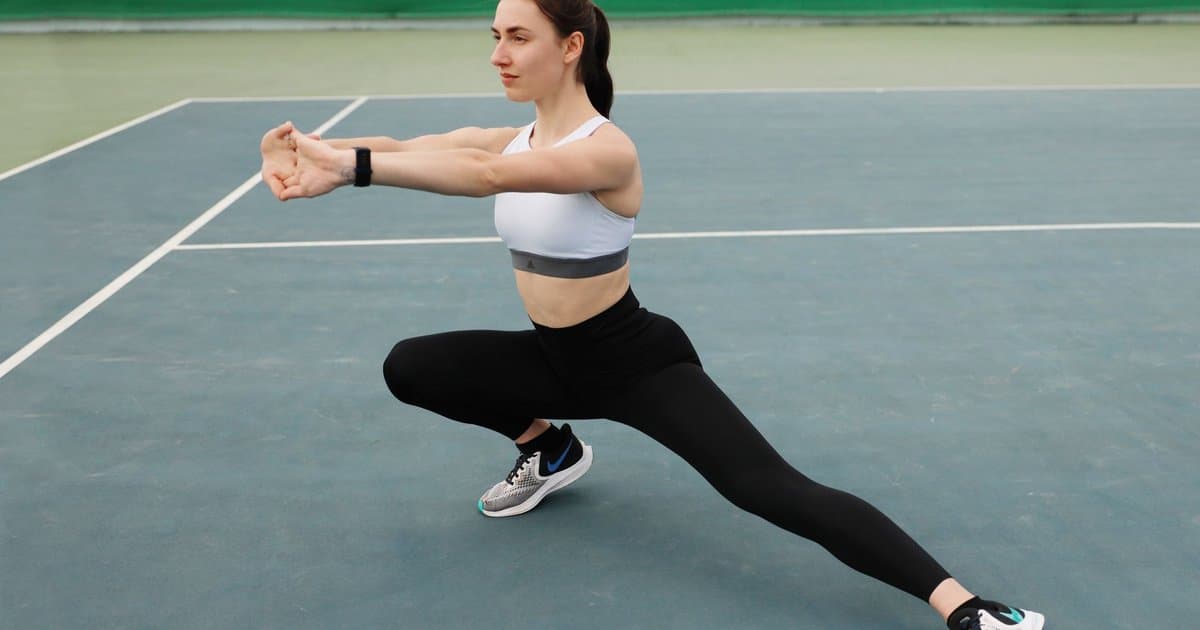
You finish a hard leg session feeling strong, then wake up the next morning to knees that ache with every stair. It is easy to read that ache as damage and decide that squats and lunges are bad for you. In most cases the ache is a signal about how you are training, not proof that you broke something. Knees are built to handle load, and they get healthier when you load them well over time. The problem is almost never the movement itself, it is the details around the movement. Once you understand what your knees are actually reacting to, the ache usually fades within a few sessions.
The first thing to separate is normal soreness from a problem that needs attention. Muscle soreness shows up in the meat of the thigh and calf, feels like a dull tightness, and eases as you move around through the day. Joint pain that is sharp, that swells, that clicks with pain, or that gets worse the more you walk is a different story and deserves a real look. A deep ache around the kneecap after a tough session, with no swelling and no sharp catch, is usually the joint adapting to load it is not used to yet. That kind of ache tends to calm down as your tendons and surrounding muscles catch up to your strength. The fix is rarely to stop, and it is often to adjust.
A common cause is jumping load or volume up too fast for the tissue around the joint. Muscles get stronger quickly, but tendons and the connective tissue around the knee adapt more slowly and on their own timeline. When you add a lot of weight or a lot of extra sets in a short window, the muscles can handle it while the joint structures are still catching up. The result is an achy knee that is really just tissue asking for a more gradual climb. Add weight and volume in small steps, and give hard sessions enough recovery before you hit the same pattern again. Patience here is not weakness, it is how the joint gets durable.
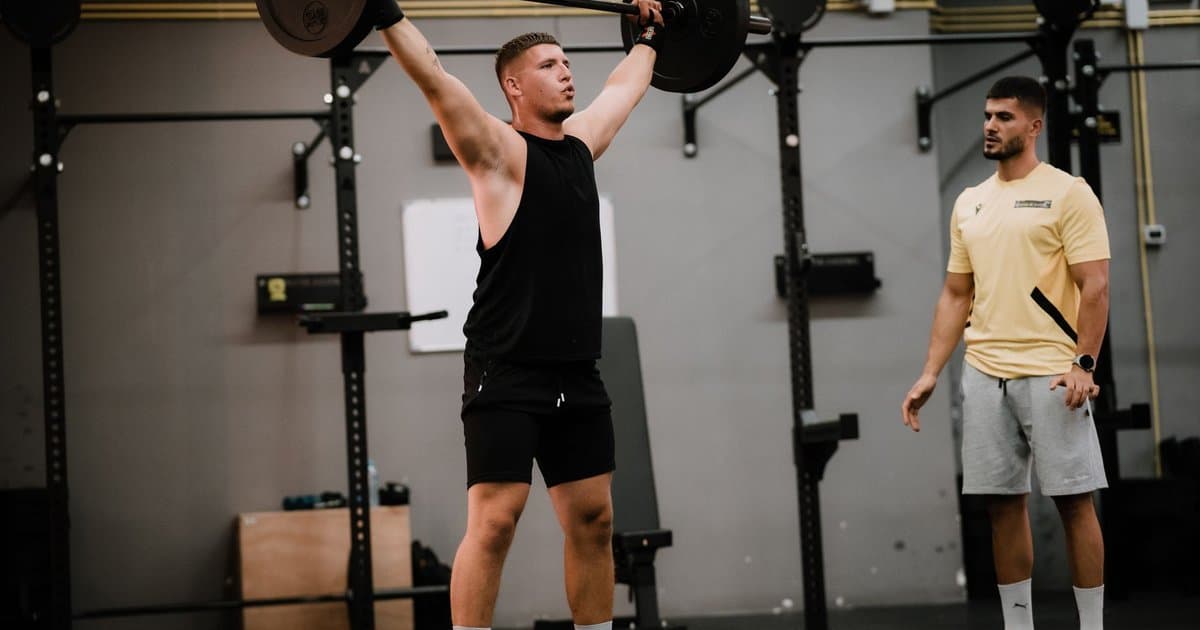
Form details matter more than most people think, and small changes often erase the ache. Letting the knees cave inward, rising up onto the toes, or letting the heels lift during squats all shift stress to the front of the knee. Keeping the whole foot planted, driving the knees out in line with the toes, and controlling the way down instead of dropping all change how the joint is loaded. Shoes with a soft, squishy sole can make balance worse, so a flatter, firmer base often helps right away. Many aching knees come from a movement that is slightly off, not from the exercise being wrong. A coach or even a phone video from the side can reveal the fix in one set.
Weak or sleepy supporting muscles put the knee in a tough spot it was never meant to handle alone. The glutes and hips are supposed to share the load during squats and lunges, and when they do not pitch in, the knee absorbs more than its share. Strengthening the hips, hamstrings, and the muscles around the knee gives the joint backup it can lean on. Simple work like hip bridges, step ups, split squats, and slow leg curls builds that support over a few weeks. Mobility at the ankle matters too, because stiff ankles force the knee to make up the difference. A balanced lower body protects the knee far better than avoiding leg day ever will.
The honest takeaway is that aching knees are usually feedback, not a verdict. Build load gradually, clean up the obvious form issues, strengthen the hips and the muscles around the joint, and give recovery the time it needs. If pain is sharp, swelling shows up, or the ache lingers for many days, that is the moment to get it checked rather than push through. For the everyday post leg day ache, the answer is rarely to quit and almost always to train smarter. Knees reward consistent, well managed load with strength that holds up for decades. Listen to the signal, adjust the inputs, and keep showing up.