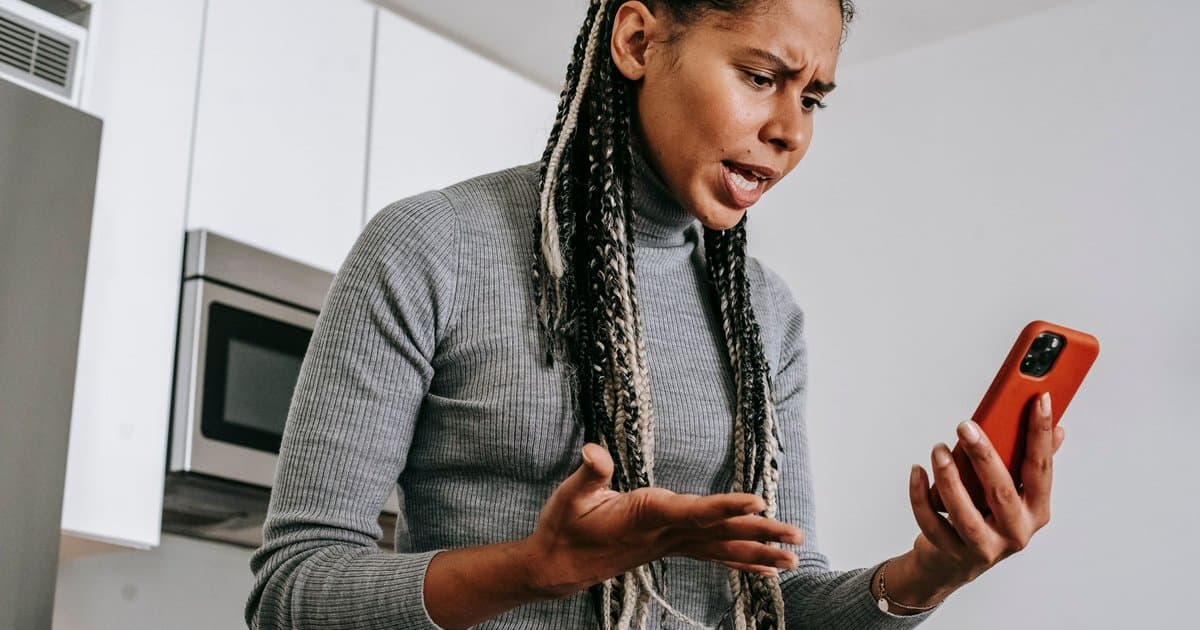
Ask a room full of young adults to make an unplanned phone call and watch what happens. Some will stall, some will text instead, and a surprising number will admit they feel a genuine spike of dread. This is not laziness or rudeness, and it is not a character flaw in an entire generation. It is the predictable result of growing up with communication that gave you time to think before you responded. A text can be drafted, edited, and deleted before anyone sees it, which means you never had to perform in real time. A live call strips all of that away, and for people who never practiced it, that exposure feels genuinely uncomfortable.
The discomfort makes sense once you look at what a phone call actually demands. You have to think and speak at the same moment, with no chance to revise, while reading tone through a voice alone and without any facial cues to guide you. There are silences you must fill, interruptions you must navigate, and an ending you have to manage gracefully. None of these are hard skills on their own, but they all happen at once and at full speed. For someone whose social life ran mostly through screens, that combination can feel like being asked to improvise on a stage. The fear is not about the phone itself but about being caught without a script.
What gets lost in the joke about phone anxiety is how much the skill still matters. A great deal of adult life runs on live conversation, from job interviews and salary talks to calling a landlord, a doctor's office, or a relative who is going through something hard. Texting is efficient for small logistics, but it is a poor tool for anything that carries emotion, nuance, or urgency. A voice can convey warmth and sincerity that a message simply cannot, and people often trust what they hear more than what they read. Avoiding calls feels safe in the moment, yet it slowly shrinks the situations a person feels able to handle. The avoidance protects you from discomfort while quietly limiting your life.
The good news is that this is a skill, which means it can be rebuilt like any other through practice. The path is not a dramatic confrontation with your fear but a series of small, low stakes reps that lower the temperature over time. Start with calls that barely matter, like ordering food or asking a store whether something is in stock, where a fumble costs you nothing. Notice that the dread spikes before the call and fades within seconds once you are actually talking, which tells you the fear lives mostly in anticipation. Keep a few opening lines ready so you never start from a blank slate, and remember that the person on the other end is usually just trying to help. Each completed call makes the next one a little smaller.
It also helps to reframe what a good call even is, because part of the fear comes from chasing a perfect performance. Real conversations are full of pauses, restarts, and the occasional awkward overlap, and none of that means you failed. The goal is not to sound polished but to be clear, kind, and present for the few minutes the call lasts. People remember how you made them feel far more than they remember a stumble over a word. When you let go of the idea that you must be smooth, the whole thing gets lighter and easier to face. The pressure you feel is mostly pressure you are putting on yourself.
There is also a real payoff waiting on the other side of the discomfort, and it is bigger than just being able to order a pizza by voice. People who can hold a confident phone conversation tend to stand out at work, where so many of their peers are quietly avoiding the same calls. They get tagged for the client conversation, the quick check in with a boss, and the moments that build a reputation. Being the person who picks up and handles it, rather than hiding behind a message, becomes a quiet advantage that compounds over a career. Outside of work, it means being able to comfort a friend in real time or sort out a problem without a three day text thread. The skill that feels like a burden today turns into a genuine edge tomorrow.
None of this means texting is bad or that young adults are weak, because every generation has its own gaps shaped by the tools it grew up with. The point is simply that comfort and capability are not the same thing, and a skill you avoid does not disappear, it just waits. A young person who decides to face the phone instead of dodging it gains access to a fuller, more confident kind of adulthood. The dread never fully vanishes, but it shrinks until it is just a flicker you push through. That small act of pushing through is where a lot of growth quietly lives. It is worth the few uncomfortable minutes it takes.