Walk into most churches and you will meet people who look settled in their faith. They sing, they serve, they speak with confidence about what they believe. What you will not see, unless you ask the right person at the right moment, is how many of them carry quiet questions they feel they are not allowed to say out loud. The fear is that admitting doubt means admitting weakness, or worse, that something is wrong with their relationship with God. So the questions get buried, and the person ends up feeling alone in something that is far more common than anyone lets on. The first honest thing to say is that doubt is not rare, and the people who claim to have never felt it are usually not telling the whole story.
Scripture itself does not hide this. The Psalms are full of writers asking God why he feels distant, why the wicked prosper, why help has not come. John the Baptist, who had pointed others to Jesus directly, later sent word from prison asking whether he had been right all along. A father in the gospels says he believes and asks for help with his unbelief in the same breath, and Jesus does not rebuke him for it. These are not minor characters or cautionary tales. They are some of the most faithful figures in the whole book, and their doubt is recorded without shame. If the people closest to God in scripture wrestled out loud, it is strange that we treat wrestling as disqualifying today.
Part of the problem is that we have confused doubt with unbelief, and they are not the same. Unbelief is a settled decision to turn away. Doubt is the tension of someone who still wants to believe but is honestly grappling with hard questions. A person can hold deep faith and real doubt at the same time, the way you can love someone and still not understand them. The danger is not the questions themselves. The danger is pretending they are not there, because buried doubt does not disappear, it just goes underground and grows in the dark. Faith that has never been questioned is often faith that has never been tested, and untested faith is more fragile than people think.
There are real reasons strong believers hit these seasons. Suffering that does not make sense will do it, when prayers go unanswered and the explanations offered feel hollow. So will growth, when a person learns enough to see that the simple answers from childhood do not cover everything. Sometimes it is just the long ordinary stretch where God feels quiet and the feelings that once came easily are gone. None of these mean a person has lost their faith. They usually mean the faith is being asked to grow into something deeper than it was, and growth is rarely comfortable. The discomfort is the sign of movement, not of failure.
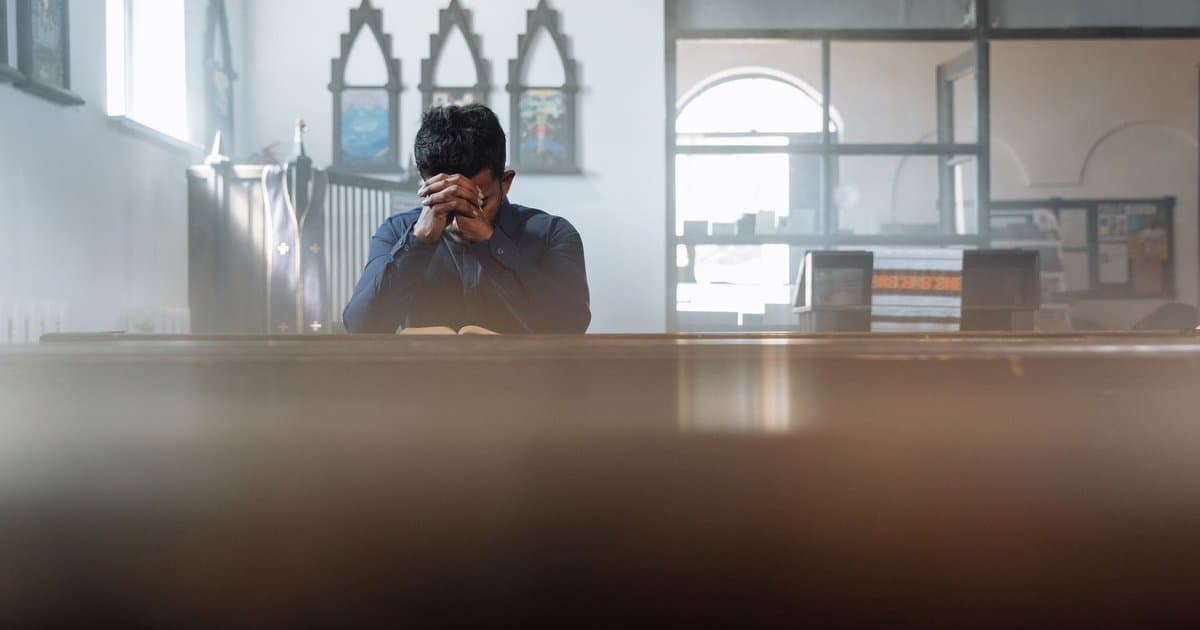
What makes doubt dangerous is isolation, not the doubt itself. When someone feels they cannot say their questions out loud, they carry them alone, and alone is where small questions turn into walls. The healthier path is honesty, with God first and then with a few people who can be trusted. God is not threatened by the questions, and the Psalms show that he invites them rather than punishing them. A mature believer or a good mentor will not panic at hard questions or rush to shut them down with a tidy verse. They will sit in the tension with you, which is often what a doubting person actually needs, more than they need a quick answer that does not fit their real situation.
If you are in one of these seasons, the most useful thing to hear is that you are not failing. You are in the company of psalmists, prophets, and ordinary faithful people across centuries who all hit the same wall and kept walking anyway. Doubt handled in the open, brought honestly to God and shared with trusted people, has a way of deepening faith rather than destroying it. The questions you are afraid to ask are usually the ones that lead somewhere worth going. Keep praying even when it feels like talking to the ceiling, stay near people who can carry the weight with you, and give the season time. Faith that survives its doubts comes out steadier than faith that was never allowed to have any.