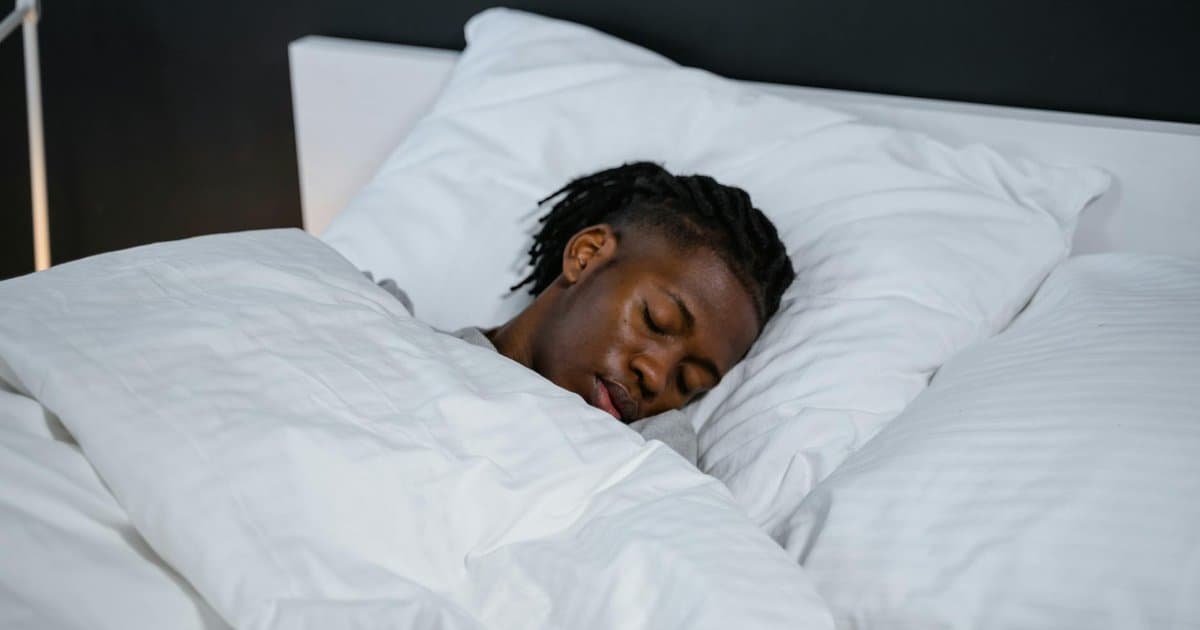
Ask a professional athlete what gives them an edge and a surprising number will say sleep before they say the gym. That sounds soft until you look at what actually happens to a body during deep sleep. Growth hormone, the chemical that repairs muscle, releases in its largest amounts during the first few hours of the night. Skip that window and the work you did in training does not fully convert into strength. The best programs in the world now track sleep with the same seriousness they track lifting numbers. For them it is not rest from training, it is part of the training itself.
The clearest evidence comes from a study at Stanford that followed the basketball team after they extended their sleep to around ten hours a night. Sprint times dropped, shooting accuracy climbed, and reaction time improved across the board. None of the players changed their practice schedule or their diet during the study. The only variable was more sleep, and the gains were large enough that no supplement on the market can match them. That is the part most weekend athletes miss completely. The cheapest performance tool available is also the very first one most people cut when life gets busy.
Sleep does more than repair muscle tissue. It is when the brain files away the motor patterns you practiced during the day. A jump shot, a golf swing, a tennis serve, all of it gets consolidated overnight, which is why a skill often feels smoother the morning after a hard session. Cut your sleep short and you interrupt that filing process, so the practice sticks far less than it should. This is why cramming a new skill the night before a competition rarely works. The body needs the dark hours to lock in what the daylight hours tried to teach it.
There is also the injury side, and it is the part that should get every athlete's attention. Research on young athletes found that those who slept less than eight hours a night were far more likely to get hurt than those who slept more. Tired muscles fire a beat late, tired joints lose a little stability, and tired judgment leads to the small mistakes that end seasons. Sleep loss also raises the stress hormone cortisol, which slows recovery and breaks down the tissue you are trying to build. You can train hard and eat clean, but without sleep you are building all of it on a cracked foundation.
It is worth clearing up a common excuse here. Many people insist they function fine on six hours, but the research is blunt about this claim. Almost no one truly adapts to short sleep, and those who feel fine are usually just used to being a little impaired. Quality matters alongside quantity, so fragmented sleep in a bright, warm room does not count the same as solid sleep in a dark, cool one. Alcohol in the evening is another quiet thief, because it knocks you out but wrecks the deep stages your body needs the most. If you want the training to pay off, you have to protect the whole night.
The good news is that you do not need a sports science lab to apply any of this. Keep a consistent bedtime, even on weekends, because the body runs on rhythm and hates surprises. Get the room dark and cool, drop the screens an hour before bed, and treat caffeine after early afternoon as the performance killer it quietly is. If you train in the morning, an earlier bedtime will do more for you than an extra set ever could. Naps help too, as long as they stay short enough that they do not wreck the night that follows.
The effect also compounds in a way that is easy to underestimate. One short night feels survivable, and it usually is on its own. String five of them together across a hard week, though, and the deficit stacks into something you cannot feel but your performance can. Sleep is not a bank you can skip and repay fully on the weekend, since one long Sunday morning does not erase five short nights. The smarter play is steady sleep through the week, treated as a part of the plan you do not negotiate with. Consistency beats catching up every single time.
The athletes who last are not always the ones who train the hardest in the room. They are often the ones who recover the smartest, and recovery starts in bed the night before. Treating sleep like training is not lazy and it is not soft. It is the most honest way to respect the work you already put in at practice. The next time you are tempted to trade an hour of sleep for one more thing on the list, remember that the body builds itself in the dark. Skip that, and you are leaving your best results on the table.