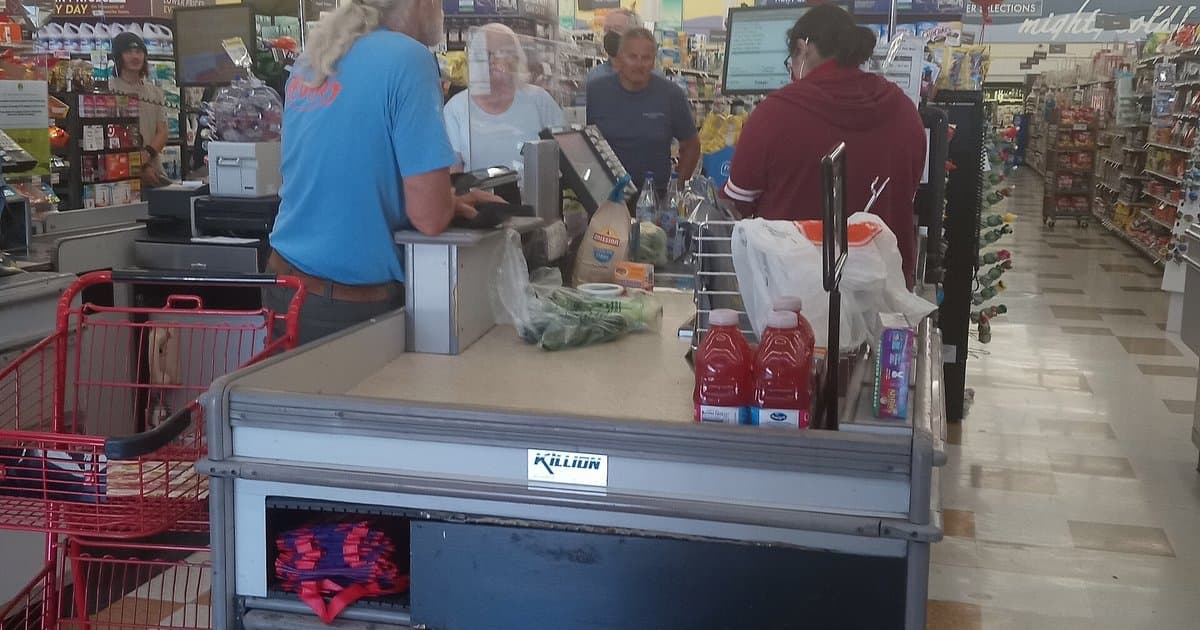
A common source of confusion shows up at the checkout line every week. Reports say inflation has cooled, yet the grocery bill still lands higher than it did a few years ago. Shoppers hear that prices are under control and then watch a cart of basics cost far more than memory tells them it should. The gap between the headline and the receipt is real, and it is worth understanding rather than waving away. The short answer is that a slowdown in inflation does not mean prices fall. It means they are climbing more slowly than before, which is a very different thing.
To see why, it helps to separate two ideas that often get blurred together. Inflation measures the rate at which prices rise over time, not the level of prices themselves. When inflation slows from a high number to a low one, the increases get smaller, but the increases that already happened do not reverse. A box of cereal that jumped over two years stays at the new, higher shelf price. The slowdown only means it is no longer climbing as fast. So a family can be told that inflation is cooling and still pay far more than they remember, because both statements describe the same shelf from different angles.
Groceries also carry their own pressures that do not move in step with the broader economy. Food has to be grown, packaged, shipped, refrigerated, and stocked, and each of those steps has its own costs. When fuel gets expensive, shipping and refrigeration get expensive, and that flows into the price of nearly everything edible. Weather events can wipe out a harvest and push the cost of a single crop up for months. Labor across farms, plants, and stores adds another layer, since the people who handle food expect wages that keep up with their own bills. All of these costs settle into the final price, and they rarely come back down once they have gone up.
There is also a quieter shift that shoppers feel even when the sticker looks familiar. Some products keep the same price while the package holds less, so a bag that once fed a family for a week now runs short. Others swap ingredients for cheaper ones to protect the price point. The result is that a budget buys less than it used to, even when the number on the shelf has barely changed. This kind of change does not always register in the way a price hike does, but it lands in the same place, which is a household that has to stretch the same dollars across fewer meals.
The weight of all this does not fall evenly. Families who spend a larger share of their income on food feel every increase more sharply than households with room to spare. In neighborhoods where one grocery store serves a wide area, there is less competition to hold prices down and fewer options when a staple gets expensive. Immigrant families who rely on specific ingredients can watch those items climb without an easy substitute. For working households in cities like Nashville, the grocery bill is often the most visible sign of whether the economy is actually getting easier, and right now the receipt and the headline are telling different stories.
So what should a reader take from this? First, treat a cooling inflation report as a sign that the pace of increases is easing, not a promise that prices will drop. Prices falling outright is rare and usually signals trouble elsewhere in the economy. Second, watch package sizes as closely as price tags, since shrinking quantities are doing quiet work on every budget. The honest picture is that relief at the checkout tends to come slowly and unevenly, long after the official numbers improve. Understanding why the two diverge will not lower the bill, but it makes the gap less confusing and helps households plan around the reality instead of the headline.