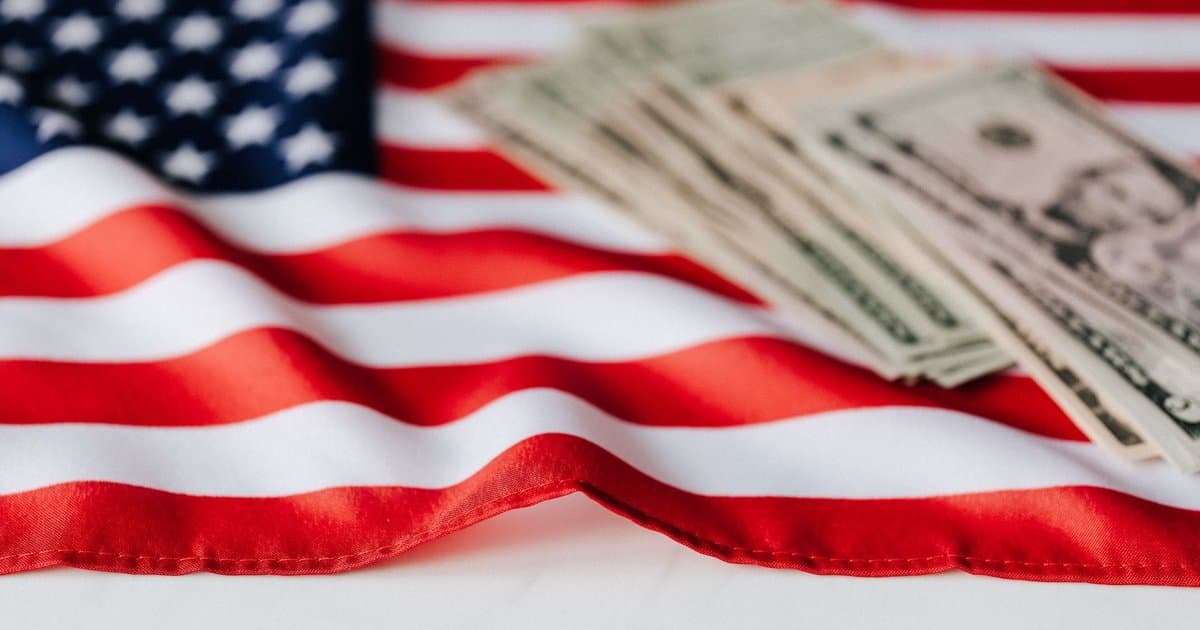
Reach into your pocket and pull out a bill. It feels like paper, folds like paper, and tears about as easily once it gets old and soft. Most people go their whole lives believing that is exactly what it is. The truth is that a United States bill has almost no paper in it at all. The material is a blend of cotton and linen, the same fibers that go into shirts and fine stationery. That one detail changes how you think about the cash sitting in your wallet. It also explains a lot about why money behaves the way it does.
The exact recipe is 75 percent cotton and 25 percent linen. The Bureau of Engraving and Printing sets that standard, and it stays the same from one bill to the next. A single dollar and a hundred dollar note start from the very same cloth base. Wood pulp, the stuff most paper comes from, is nowhere in the mix. That is why a bill can survive a trip through the washing machine and come out wrinkled but whole. Regular paper would turn to gray mush the moment it hit the water. Cash is closer to a worn shirt than to a page from a notebook.
The reason comes down to how those two fibers behave. Cotton gives the bill flexibility, so it can be folded and unfolded thousands of times without breaking apart. Linen adds strength and helps the note resist tearing along its creases. Together they create a surface that holds ink cleanly and stands up to years of rough handling. A bill passes through hundreds of hands during its life, and it needs to take that wear. Ordinary paper simply could not do the job for that long. The blend is a quiet piece of engineering hiding in plain sight.
The mix also serves a second purpose that has nothing to do with durability. Tiny red and blue fibers are scattered through the material at random. You can spot them if you hold a bill up close to a lamp. Those threads are pressed into the cloth before any printing happens, which makes them very hard to fake. A counterfeiter working with normal paper cannot copy that scattered look. The security of the money starts in the raw material, long before the portraits and numbers go on. Protection is built into the fabric itself, not just the design.
The material is not something you could ever buy on your own. One company, Crane Currency, makes it at a mill in Dalton, Massachusetts, under a long running government contract. It is against the law for anyone else to own or produce that exact blend. So the cloth in your cash is not sold at any craft store, no matter how hard you look. That restriction is one more wall standing between real money and fakes. The whole setup is designed to make imitation as difficult and risky as possible. Every step assumes someone will try to cheat it.
All of this explains why cash lasts as long as it does. A single dollar bill stays in circulation for roughly six or seven years before it wears out. Larger bills that get handled less often can last much longer than that. When a note finally gives out, banks pull it and send it back to be shredded. The scraps are often recycled into other goods rather than dumped in a landfill. A bill that felt flimsy in your hand was actually built to go the distance. Its softness is a sign of age, not weakness.
The cotton and linen mix has another effect that most people never notice. It gives American money its specific feel, that slightly rough and sturdy texture plain paper does not have. People who handle cash all day can often catch a fake by touch alone. Something about a counterfeit feels too smooth or too soft in the hand. That gut reaction is really a response to the wrong material. The fabric of the money is doing quiet work every single time it changes hands. Your fingers know more than you give them credit for.
None of this shows up on the face of the bill, which is part of why the myth of paper money survives. We call it paper, we treat it like paper, and we almost never stop to check. But the next time a bill comes out of your pocket soft and worn, remember you are holding tired cloth, not tired paper. It was woven to survive, printed with hidden threads, and made in one guarded place under strict rules. That is a lot of thought for something we hand over without a second glance. The plain dollar turns out to be one of the most carefully made objects most of us carry. Once you know, you cannot unknow it.