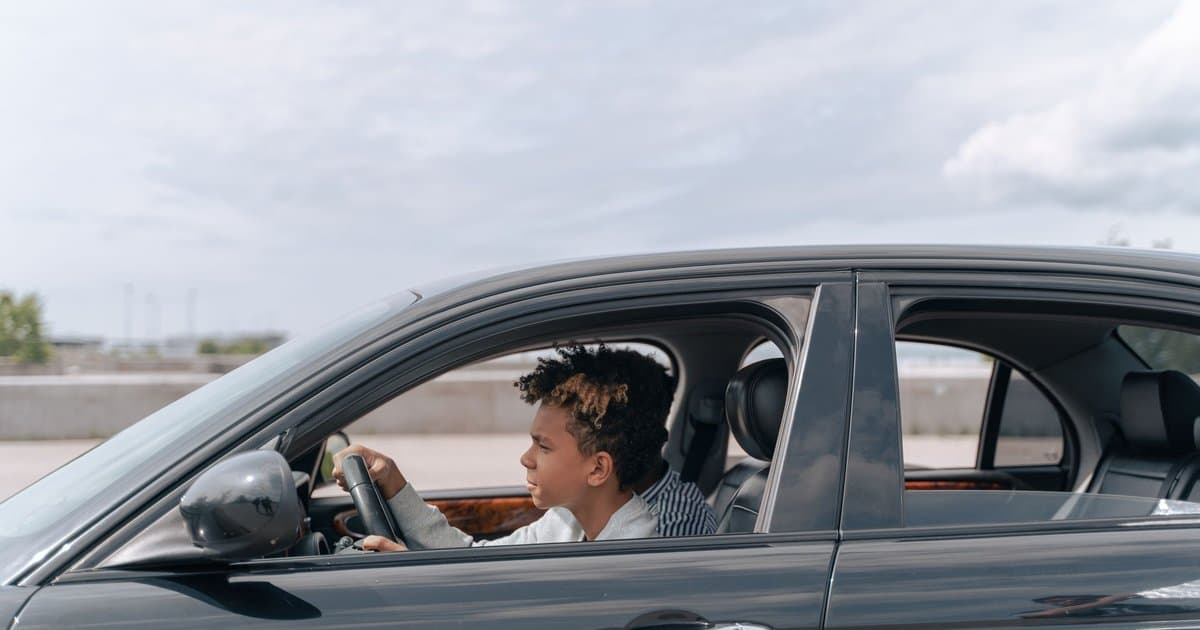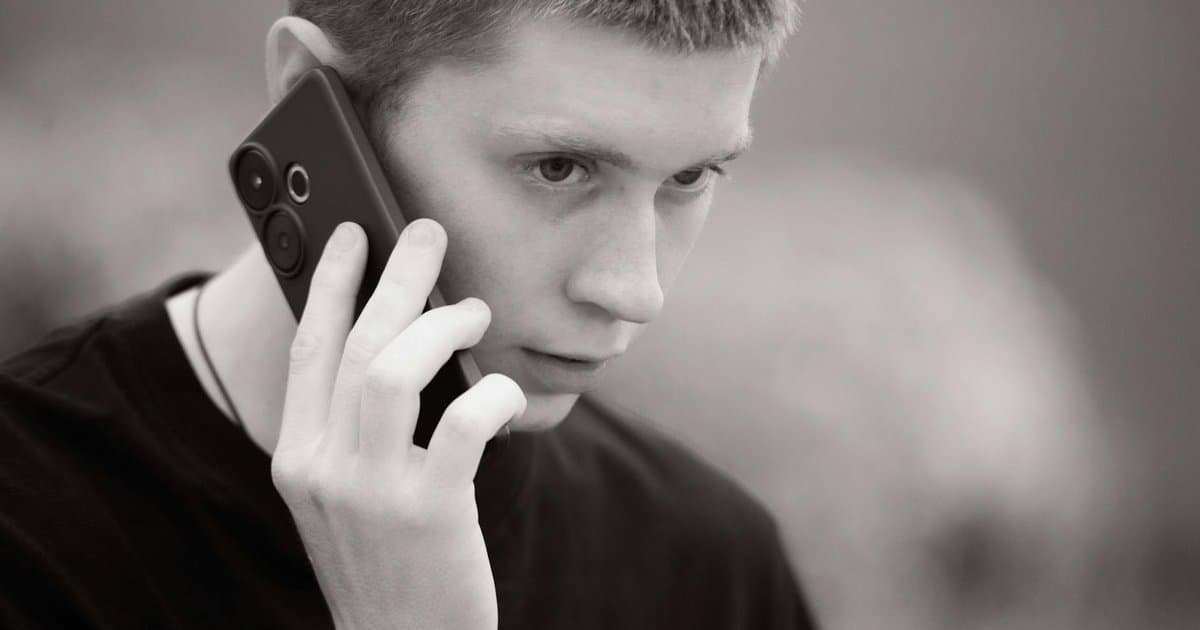
Ask a teenager to text a stranger and they will do it without blinking. Ask the same teenager to call that stranger and many of them freeze. Parents and older coworkers often find this baffling, since a phone call seems faster and simpler than a back and forth of messages. But the discomfort is real and surprisingly common, and dismissing it as laziness misses what is actually going on. This generation grew up communicating mostly through screens, where they could edit, pause, and control every word before sending it. A live call removes all of that control at once, and that loss is the heart of the fear.
Texting gives you time, and time is exactly what makes it feel safe. When you type a message, you can rewrite it, check the tone, sit with it for a minute, and only send when it feels right. A phone call offers none of that cushion, because you have to respond in real time, fill silences, and react to a voice without a script. For someone who has spent years polishing words before anyone sees them, that immediacy feels exposed and risky. There is no draft and no undo on a live call. You say the thing, awkward or not, and there is no taking it back.
There is also the matter of practice, or the lack of it. Skills get easier with repetition, and most teens have simply made very few calls compared to the generations before them. Where a young person two decades ago might have called friends nightly and answered the family phone for everyone, today that same volume happens over text and direct messages. So the muscle never developed, and an undeveloped skill feels harder than it should. The fear is not really about phones as objects. It is about doing something unfamiliar with someone listening, which makes anyone tense.
Calls also carry a layer of social uncertainty that text neatly avoids. A ringing phone interrupts whatever the other person is doing, and teens are sharply aware of not wanting to bother people at a bad moment. A text waits politely until the reader is ready, which feels more considerate to a generation raised on asynchronous communication. On a call you also cannot see the other person, so you lose facial cues while still being expected to read the conversation perfectly. That combination of interrupting someone and flying partly blind raises the stakes in a way a message never does. It is not surprising that many choose to avoid it entirely.
The instinct of some adults is to mock this, but that reaction is neither fair nor helpful. Every generation finds certain forms of communication natural and others awkward, shaped by whatever they grew up using. The point is not to decide that calls are superior and texting is weak, since both have their place and their strengths. The point is that calls remain useful, sometimes necessary, in work, emergencies, and moments when a real voice resolves things faster. A young person who cannot bring themselves to make a needed call is held back by the fear, regardless of how they feel about it. That is reason enough to help them build the skill rather than tease them about the gap.
Building it works the way building any skill does, through small and repeated exposure. Starting with low stakes calls, like ordering food or asking a store a quick question, lets a teen practice without much riding on the outcome. A short script can ease the first few, just a sentence or two to open and a clear goal for the call, so they are not improvising from nothing. Each successful call makes the next one feel less enormous, and the dread shrinks with reps the same way it grew from their absence. The fear is learned, which means it can be unlearned. Parents can help by modeling calls out loud, narrating what they are about to say and showing that a little awkwardness is survivable. It also helps to normalize the idea that nobody sounds perfect on the phone, since even confident adults stumble over words and recover fine. Framing a call as a tool for a specific job, rather than a test of social skill, takes some of the pressure off. The aim is steady exposure paired with patience, not a single dramatic push that backfires. Over time, the calls that once felt impossible become ordinary, and the dread loses its grip. The goal is not to force anyone to love the phone, only to make sure a ringing one no longer feels like a wall.