A lot of people hear that inflation has cooled and then walk into a store and feel lied to. The receipt is longer than it was last year, the cart holds less than it used to, and the gap between the news and the checkout line feels personal. The confusion is understandable, but the two things are not in conflict. Inflation cooling and prices being high are both true at the same time. Understanding why takes a minute, and it matters for anyone trying to plan a household budget on real numbers instead of headlines.
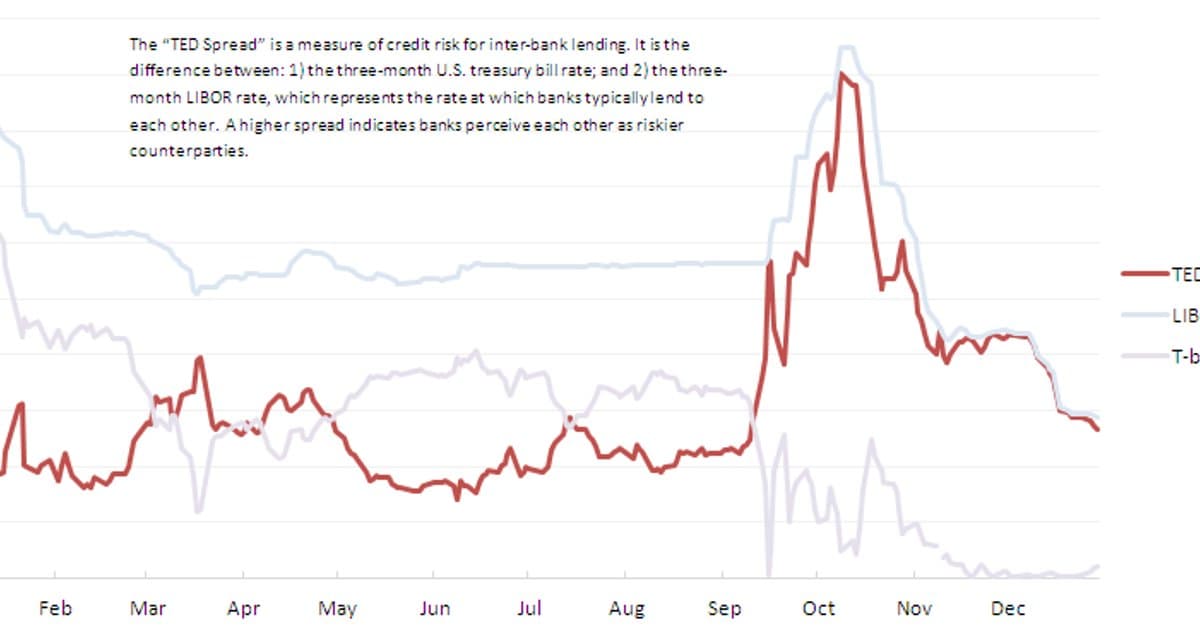
Inflation measures the rate that prices are rising, not the prices themselves. When inflation falls from a high number to a lower one, it means prices are going up more slowly than before, not that they are coming back down. A slower climb is still a climb. So a family can see the inflation rate improve on the news while their grocery total keeps inching higher month after month. The increases that already happened do not reverse on their own. They become the new baseline, and the next year builds on top of that.
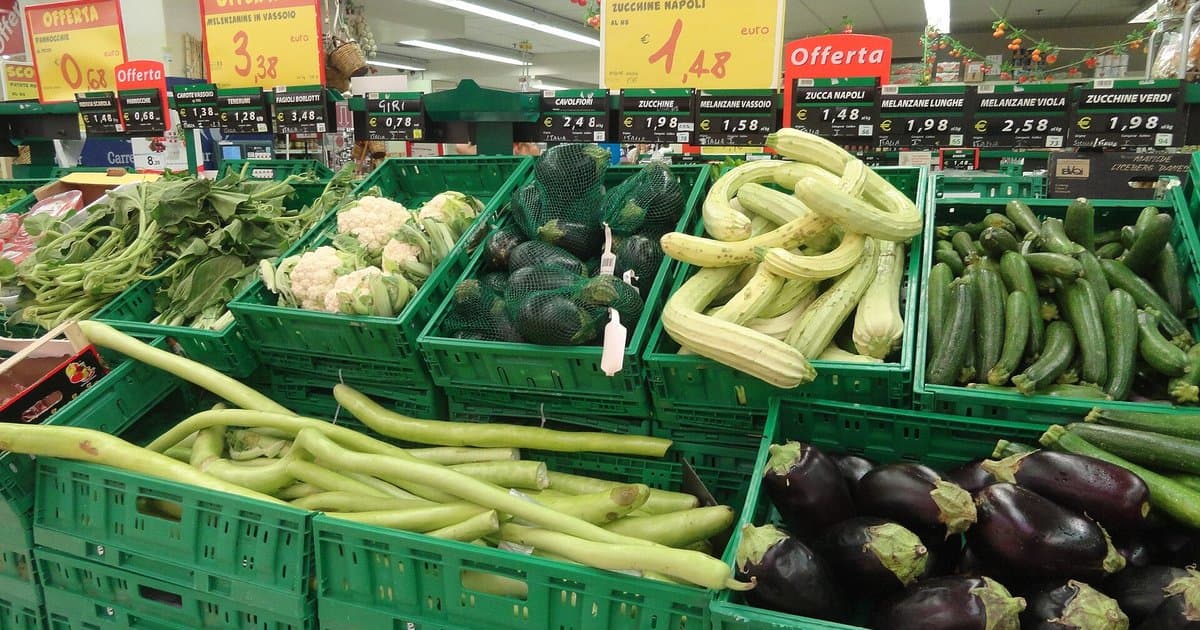
Food has its own reasons for staying stubborn. Grocery prices respond to weather, fuel, labor, packaging, and shipping, and each of those carries its own pressure that does not move in step with the broad economy. A drought in one region, a disease that thins a herd, or a jump in transport costs can push a single category up sharply even while overall inflation eases. Labor and packaging costs that rose during the hard years rarely fall back once they settle in. Stores also protect their margins, so savings upstream do not always reach the shelf quickly. The result is a grocery aisle that feels disconnected from the official story.
This hits some households much harder than others. Food is a far bigger share of the monthly budget for working families, immigrant families, and anyone earning closer to the median than the top. When a wealthier household sees grocery prices rise, it trims a luxury, but for a family already stretched, the same increase means smaller portions or a harder choice between the store and another bill. Nashville families paying more for rent at the same time feel the squeeze on two fronts at once. Communities that send money home or support relatives feel it on a third. The average rate on a chart cannot capture that weight.
There are still practical moves that help. Building a flexible meal plan around what is actually cheap that week, rather than a fixed list, lets the budget bend with the prices. Store brands now match name brands on quality far more often than people assume, and the gap on the receipt adds up fast. Buying staples in bulk when they are low, and freezing what will not get used soon, smooths out the spikes. Tracking the few items a household buys most closely tells you more than any national figure. Small, steady habits protect a budget better than waiting for prices to fall.
It also helps to know where the official number comes from and what it leaves out. The headline inflation rate blends thousands of goods and services into one figure, so a drop in the price of cars or electronics can pull the average down even while food keeps rising. That is why the rate on the news can feel disconnected from a kitchen, because a kitchen does not buy a televison every month but it does buy eggs every week. Looking at the food specific numbers tells a clearer story than the broad rate ever will. Those figures have stayed higher and stickier than the overall measure for good reason, since the costs behind them are slow to unwind. A household that tracks its own most bought items gets the truest picture of all. The lesson is to read past the single headline and look at the part of the economy that actually touches your table.
The honest takeaway is that grocery relief, if it comes, will be slow and uneven. Prices may stop rising as fast, and a few categories may dip, but the broad cost of feeding a family is unlikely to return to where it was. Planning around that reality beats hoping the headlines change it. Watch your own numbers, build a little cushion where you can, and treat the official rate as background rather than a promise. The economy moves on averages, but a kitchen runs on what is true in that one home. Knowing the difference is what keeps a budget honest.