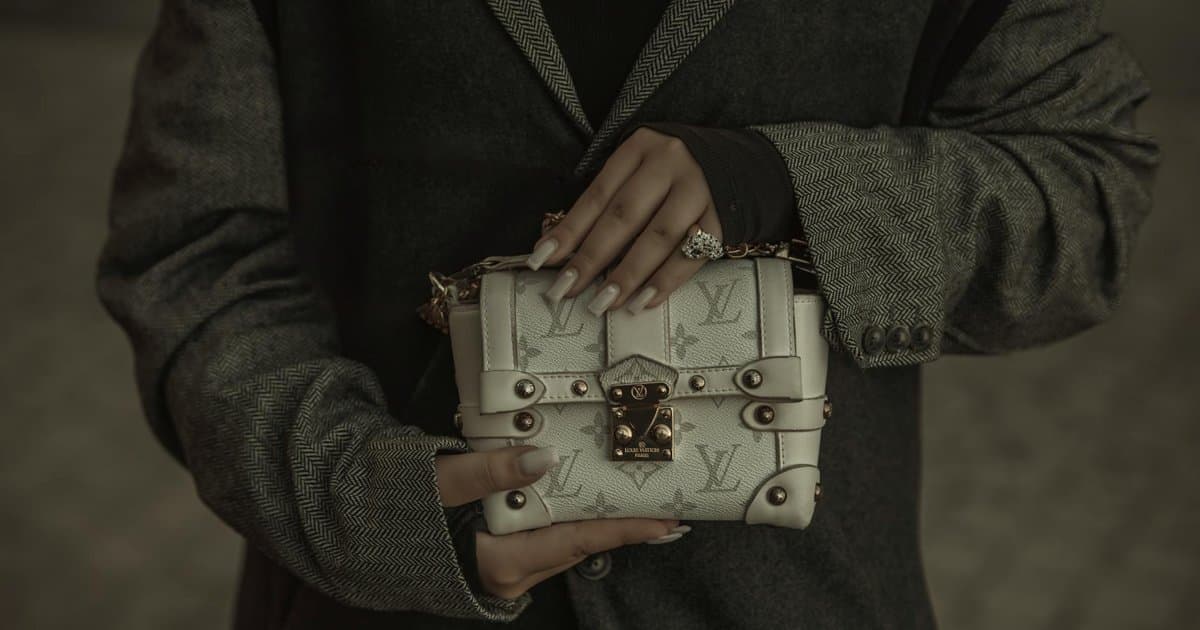
The story sounds ridiculous until you look at the numbers. A Hermès Birkin in classic Togo leather, size 30, bought at a Paris boutique in 2020 for around eleven thousand dollars, now resells through reputable secondary markets like 1stDibs, Sotheby's, and Privé Porter for somewhere between thirty two and forty thousand dollars depending on color and hardware. That is roughly a tripling of value in five years, comfortably ahead of gold, which has run hot but has not tripled. It is also ahead of the S and P 500 over the same window. A handful of Chanel medium flap bags, certain Hermès Kelly sizes, and a few archival Bottega Veneta and Louis Vuitton pieces have followed the same arc. The handbag has quietly become an asset class.
The driver is not aesthetic. Plenty of beautiful designer bags lose half their value the second the receipt prints. The driver is supply control. Hermès in particular has built one of the most disciplined supply chains in luxury, capping production of its hero bags, requiring purchase history with the brand before clients can be offered a Birkin or a Kelly, and refusing to lean into the kind of volume that would dilute the brand. Chanel followed a similar playbook with its classic flap and 19 lines, raising prices roughly every six months and tightening allocation. The result is a market where retail supply is permanently below demand and resale prices have nowhere to go but up.
Compare that to brands that chase growth at the cost of scarcity. Gucci and Burberry both went through cycles in the last decade where they flooded the market with logo heavy product, watched secondary values collapse, and then had to claw back brand equity with creative director changes and price resets. Coach is the cautionary tale here. The brand was once luxury adjacent, then expanded into outlet malls so aggressively that resale values cratered for almost a decade. Tapestry, its parent, has since worked to rebuild scarcity, and prices on certain new Coach lines have ticked back up. But the lesson is clear. The bag does not appreciate. The control of the bag's supply is what appreciates.
The actual returns are also distorted by an authentication and condition layer that most asset classes do not have to deal with. A Birkin that has been worn lightly, with original receipt, dust bag, box, and clochette intact, sells for thousands more than the same bag with light corner wear and a missing rain protector. The resale market grades condition on a strict scale, and the difference between excellent and good can be twenty percent of the price. That is part of why platforms like The RealReal, Fashionphile, and Rebag have built entire businesses on authentication and grading. The infrastructure exists because the asset class is real enough to require it.
There are sharp limits to this story. The number of bags that actually appreciate is tiny. By most counts, fewer than thirty individual model and material combinations show consistent year over year appreciation. Everything else either holds value, depreciates moderately, or loses sixty to eighty percent immediately, the way most contemporary brands and most logo trends do. The handful of true appreciating bags also requires either a long relationship with the brand or a willingness to buy on the secondary market at a substantial premium over retail. The traditional purchase path of walking into a boutique and buying a Birkin off the shelf does not exist, and pretending otherwise is how people get scammed.
The other risk is liquidity. Gold can be sold in minutes through almost any precious metals dealer. A Birkin sale typically takes weeks, sometimes months, and the seller absorbs platform fees that run from ten to thirty percent depending on the channel. Private sales between collectors move faster but require networks most people do not have. For someone who actually needs the money quickly, the bag is not an emergency fund. It is a long hold asset with a slow exit, which is a category most personal finance writers ignore because it does not fit the standard portfolio framework.
The honest read for 2026 is this. If you love a specific bag and would carry it for years, buying a known appreciating piece from a respected brand with proper documentation is one of the few luxury purchases that does not feel like setting money on fire. If you are buying purely as an investment with no plan to use it, the entry friction, authentication risk, and liquidity drag eat into the return more than the headline appreciation suggests. The numbers are real. The category is real. The way to actually make money on it is narrower than the headlines imply, and the people who do well treat it the way they would treat any other illiquid alternative asset, with patience, paperwork, and a long time horizon.