When the market gets competitive, one of the first things buyers give up is the home inspection. Agents will tell you it makes your offer cleaner and helps you beat the buyer who is asking for repairs. In a bidding war, waiving the inspection can be the difference between winning the house and losing it. So people do it, often on the biggest purchase of their entire lives, with almost no idea what is actually behind the walls. It feels like a small concession in the moment. It is one of the largest financial risks a buyer can take, and most only understand that after the keys are already in their hand.
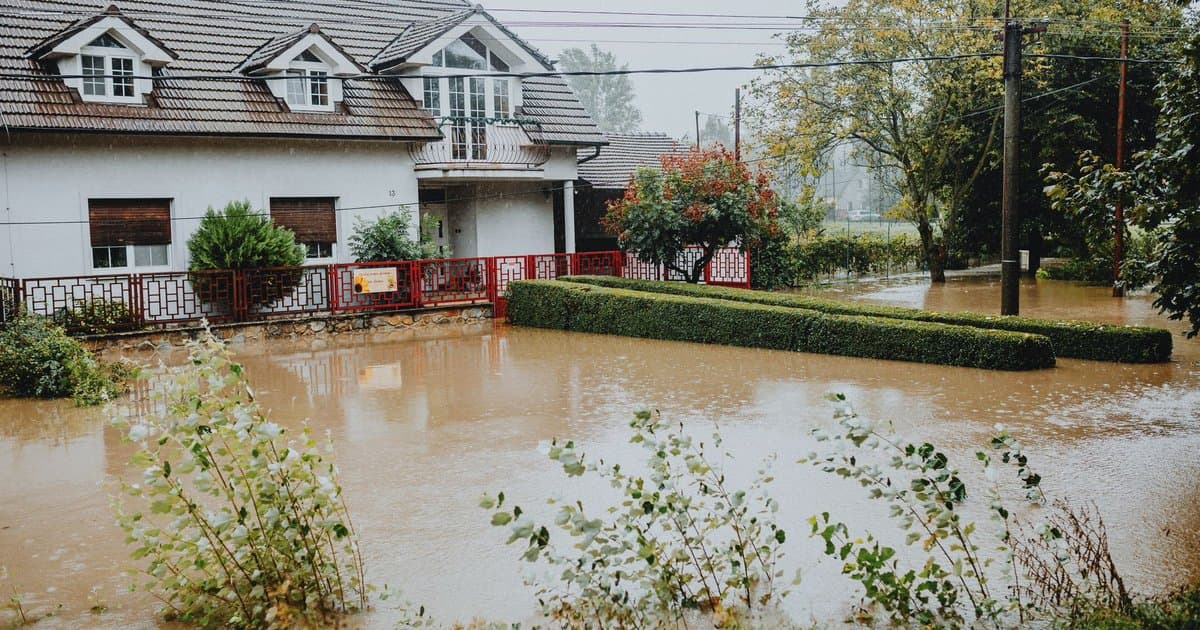
Start with what an inspection is actually for, because the language confuses people. An inspector is not there to tell you whether the paint colors are dated or the kitchen is your style. They are there to find the expensive, hidden things that a walkthrough never reveals. A cracked foundation, a roof at the end of its life, aging electrical, failing plumbing, a dead furnace, mold behind the drywall, water intrusion in the basement. These are the problems that turn a dream home into a money pit. Waiving the inspection does not make those problems disappear. It just means you agree to buy them without knowing they exist.
The dollar figures here are not small, and that is the part people underestimate. A new roof can run well past ten thousand dollars. A foundation repair can climb into the tens of thousands. A full electrical rewire, a sewer line replacement, or a hidden mold remediation can each cost more than a year of most people's savings. When you waive the inspection, you inherit all of it the day you close, with no seller to split the cost and no leverage to ask. You are not just risking money you have. You are often risking money you will have to borrow on top of a mortgage you already stretched to afford.
There is also the negotiating room you throw away, which is its own kind of loss. A normal inspection gives you a report full of findings, and that report is a bargaining tool. You can ask the seller to fix the big items, credit you cash at closing, or lower the price to reflect the true condition. Buyers routinely save thousands this way, sometimes more than the inspection revealed in flaws. When you waive it, you give up every bit of that leverage before you ever sit at the table. You are telling the seller you will take the house exactly as it is, sight unseen, and hope for the best.
The contingency you are really giving up is your right to walk away. In a normal deal, the inspection contingency lets you cancel and keep your earnest money if the report turns up something serious. It is your exit door, your protection against being trapped in a purchase that turns out to be a disaster. Waive it, and that door locks behind you. If the inspection you never got would have found a forty thousand dollar problem, you are now committed to that problem or to walking away from your deposit entirely. Neither outcome is one you want to discover after the fact.
This risk does not fall on everyone equally, and that is worth saying plainly. A first generation buyer, or someone who scraped and saved for years to get here, often has the least cushion to absorb a surprise. A wealthier buyer can eat a surprise repair and move on. A family that emptied its savings to close has no such margin, and a single major failure can wreck them financially in the first year. The people most tempted to waive the inspection to win the house are frequently the ones who can least afford to be wrong. That is exactly backward from how risk should be carried.
The good news is that waiving does not have to be all or nothing. You can keep some protection even in a hot market if you plan for it. Ask for an informational inspection, where you still hire an inspector but agree not to use the findings to renegotiate. Get a pre-offer inspection done before you bid so you know what you are buying. Bring in a contractor for a focused look at the roof, foundation, and major systems. If you must waive the formal contingency to compete, at least do everything you can to see the house clearly first. Winning the bid means nothing if the house quietly bankrupts you the year after you move in.