A house near water or at the low point of a neighborhood often carries a lower price than you would expect, and that discount can feel like a win. Sometimes it is. But when a home sits in a designated flood zone, the sticker price is only part of the story, and the costs that follow can reshape your budget for as long as you own the place. The people most likely to get caught by this are first-time buyers stretching to afford a home, because the monthly payment they planned for is not the monthly payment they will actually make. Before you make an offer, it is worth understanding exactly what the flood designation adds.
The first cost is insurance, and it is the big one. If you take out a mortgage on a home in a high-risk flood area, your lender will require flood insurance on top of your regular homeowners policy. This is not optional, and the premium can run anywhere from a few hundred dollars to several thousand dollars a year depending on the elevation of the home, the zone it sits in, and the value of the structure. That cost gets added to your monthly payment through escrow, so a mortgage you thought you could afford might jump by two or three hundred dollars a month once flood coverage is folded in. Buyers who skip this math during the excitement of house hunting often find out at closing, when the numbers are already locked.
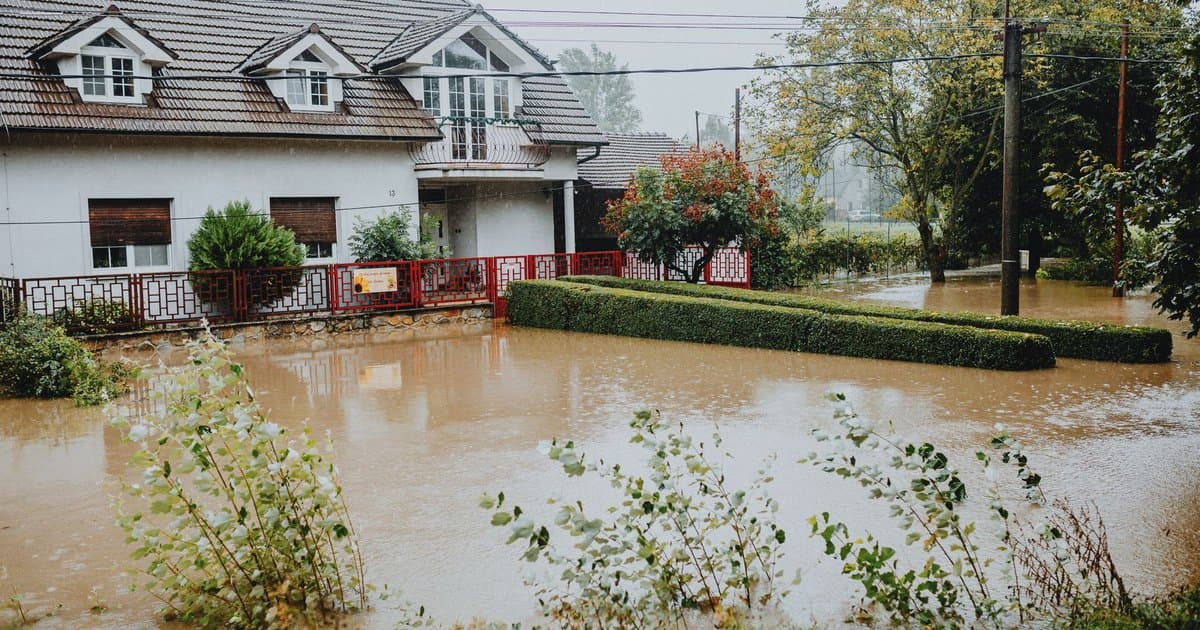
The second cost is the risk that the insurance is protecting against, which is the flood itself. Standard homeowners policies do not cover flood damage, which is exactly why the separate policy exists. If water gets into the home, the repairs are expensive, the cleanup is slow, and the disruption to your life is real. Even a few inches of water can ruin floors, drywall, mechanical systems, and belongings. Homes in flood zones are there because they have flooded before or are expected to, so this is not a distant hypothetical. You are buying into a known probability, and every heavy rain season becomes something you watch instead of ignore.
The third cost shows up when you try to sell. A flood designation does not disappear because you kept the house dry for a few years. When you go to sell, your buyers face the same insurance requirement and the same risk, which shrinks the pool of people willing and able to purchase. That limits your resale price and can stretch out the time the home sits on the market. Flood maps also get updated over time, and if your area is redrawn into a higher-risk zone after you buy, your insurance costs can climb and your home can become harder to move. The discount you got going in can turn into a discount you have to give going out.
There is also a slower cost that people underestimate, which is the maintenance and prevention that flood-prone homes tend to need. Sump pumps, drainage improvements, elevated systems, and regular attention to the foundation all add up over the years. None of it is dramatic on its own, but it is a steady drip of spending that a home on higher ground simply does not require. When you stack the insurance premium, the repair risk, the resale limits, and the upkeep together, the lower purchase price often stops looking like a deal and starts looking like a trade you did not fully understand.
None of this means you should never buy in a flood zone. Plenty of good homes sit in these areas, and some buyers go in with eyes open and manage it fine. The point is to know before you commit, not after. Ask the seller for the flood zone designation and any past claims. Get a real flood insurance quote before you make an offer, not after, so the true monthly payment is in front of you. Check whether the home has an elevation certificate, since that document can lower your premium significantly. Look at recent flood maps and ask whether the area is being reassessed. The goal is simple. Let the full cost of the house be part of your decision, so the number that drew you in does not become the number that traps you later.