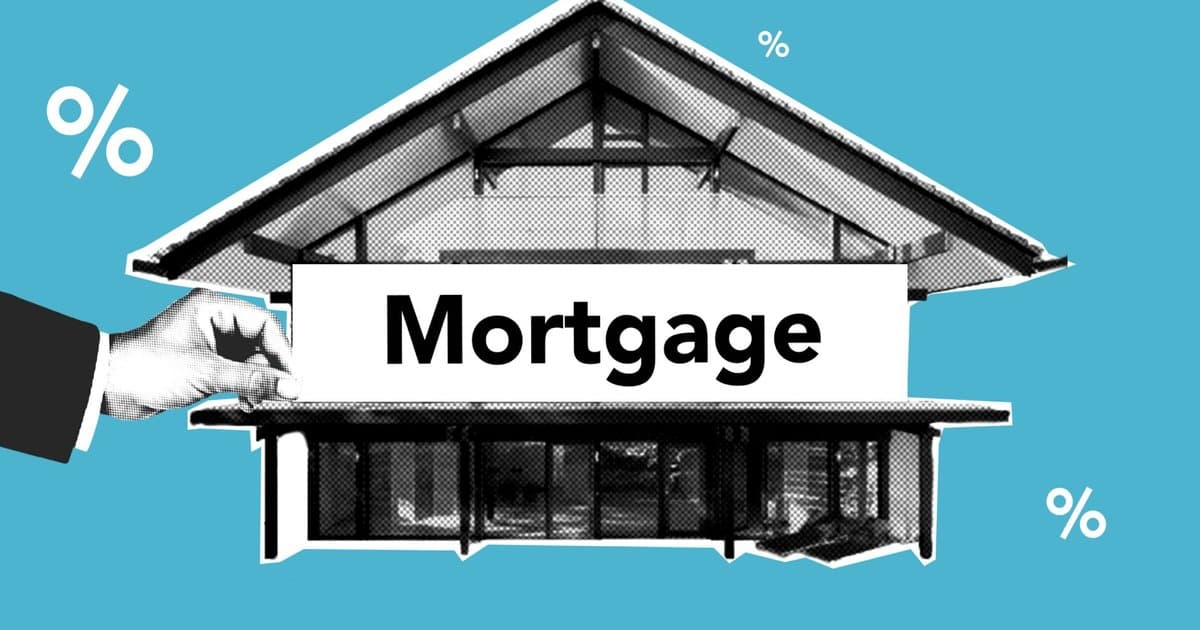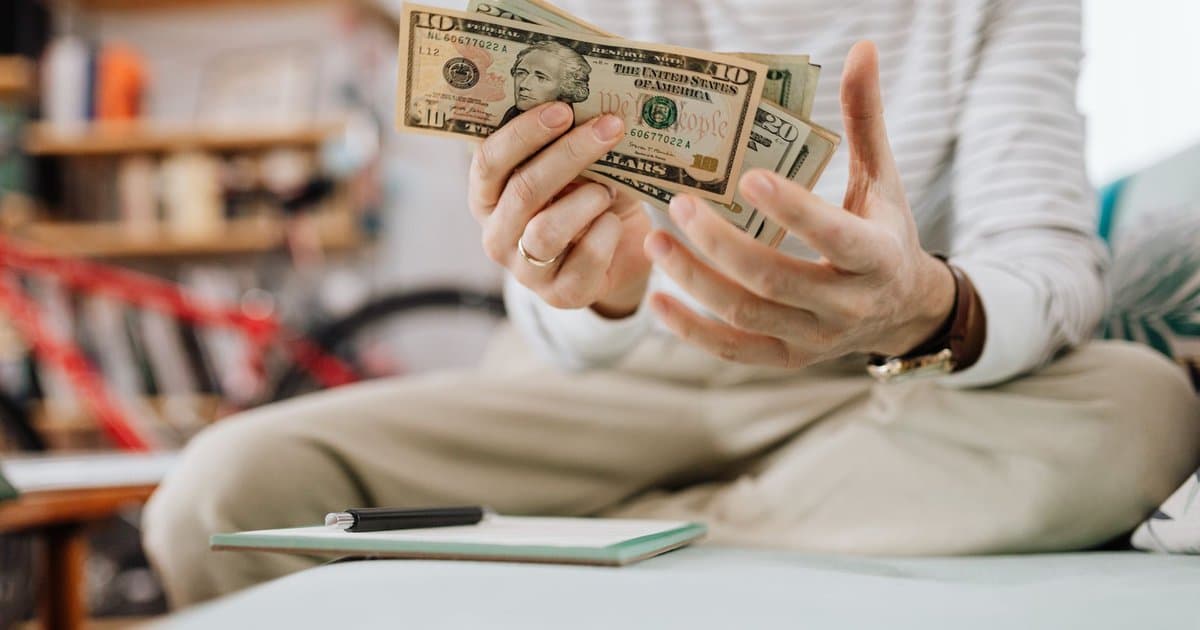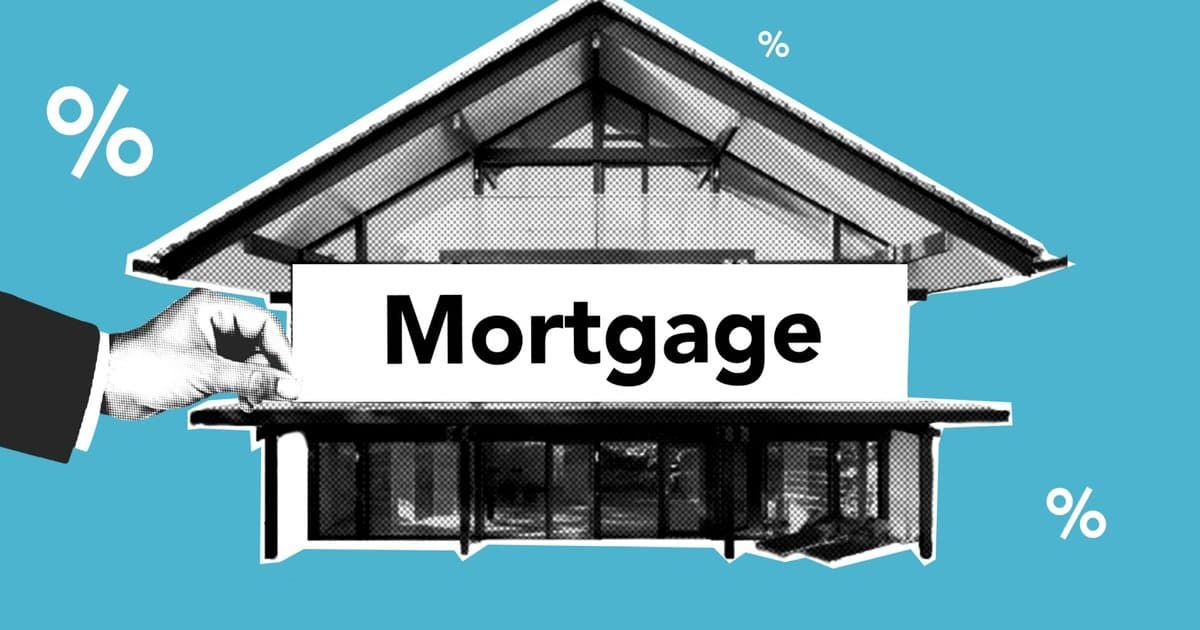
You have probably heard someone say that paying rent is like throwing money away, usually right before they tell you to buy a house. It is one of the most repeated pieces of advice in personal finance, and it is far too simple to be true. Rent buys you something real, a place to live, flexibility, and freedom from the costs that come with owning. Owning a home is a good goal for many people, but the case for it is weaker than the slogan suggests, and pretending otherwise leads people into bad decisions. The honest comparison is not rent versus a mortgage payment, it is the full cost of renting versus the full cost of owning. When you do that math carefully, renting often looks a lot smarter than people admit.
The mortgage payment is only one part of what owning a home costs, and the other parts are easy to overlook. A large share of your early mortgage payments goes to interest, not to the loan balance, so you build ownership far more slowly than you think in the first years. On top of that, you pay property taxes, homeowners insurance, and maintenance, none of which builds any equity at all. A common rule of thumb is that repairs and upkeep run around one to two percent of the home's value every year, which is thousands of dollars that simply leaves your pocket. When the roof leaks or the water heater dies, that bill is yours alone. These costs are the true rent of owning, and they never show up in the slogan about wasted money.
Rent looks like pure cost only if you ignore what you get for it. You get a home without the property taxes, without the insurance on the structure, and without the repair bills that land on owners. If the furnace breaks in a rental, you make a phone call instead of writing a check for a few thousand dollars. You also get flexibility, which has real financial value even though it is harder to put a number on. A renter can take a better job in another city, leave a bad neighborhood, or downsize after a life change without paying the heavy costs of selling a house. That freedom is worth something, and treating it as worthless is exactly the mistake the slogan encourages.
The strongest argument for renting is the one people forget entirely. Buying a home ties up a large down payment and locks you into ongoing costs, and that money could be doing other work. A renter who invests the difference between renting and owning can build wealth in the market instead of in a single property. Homes do tend to rise in value over long periods, but the gains are often smaller than people assume once you subtract taxes, interest, upkeep, and the fees paid when buying and selling. A diversified investment account carries its own risks, but it does not need a new roof, and it can be sold in a day. The question is not whether owning builds wealth, it is whether it builds more wealth than the alternative for your situation.
None of this means renting always wins, because it clearly does not. Buying tends to pay off when you stay in one place for many years, since the large upfront costs of purchasing get spread across a longer time. A fixed mortgage also locks your housing cost in place, while rent can climb year after year, which protects you as prices rise around you. Owning forces a kind of saving, because part of each payment slowly builds equity whether you meant to save or not. For people who want roots, stability, and control over their own space, those benefits are real and worth paying for. The point is that buying is a choice with tradeoffs, not an automatic victory over renting.
The smarter way to think about it is to run your own numbers instead of trusting a slogan. Compare the full monthly cost of owning, including taxes, insurance, and a realistic repair budget, against the rent you would otherwise pay. Ask how long you plan to stay, since a short stay usually favors renting and a long stay usually favors buying. Be honest about whether you would actually invest the money you save by renting, because the math only works if you do. There is no shame in renting while you build savings, stay flexible, or wait for the right moment, and there is no magic in owning that guarantees a good outcome. The right answer depends on your life and your math, not on a phrase people repeat without checking it.