There is a quiet convenience to modern life that almost nobody questions. You open an app and it already knows what to play. The feed serves the next video before you finish the last one. The store suggests what to buy, the streaming service lines up what to watch, and the music app builds a playlist that fits your mood better than you could describe it. It feels like being understood. But there is a cost to being handed your choices this smoothly, and it is worth naming before we forget we ever chose for ourselves.
Taste is not something you are born with fully formed. It is built slowly, through trial and error and a fair amount of wasted time. You wander into a bad movie and learn something about what you do not like. You take a chance on an album a friend swears by, hate it for a week, then cannot stop playing it. You struggle through a book that is too hard for you and grow into it. The friction in all of that, the searching and the misses, is not a flaw in the process. It is the process, and when an algorithm removes the friction, it also removes the part where your taste gets made.
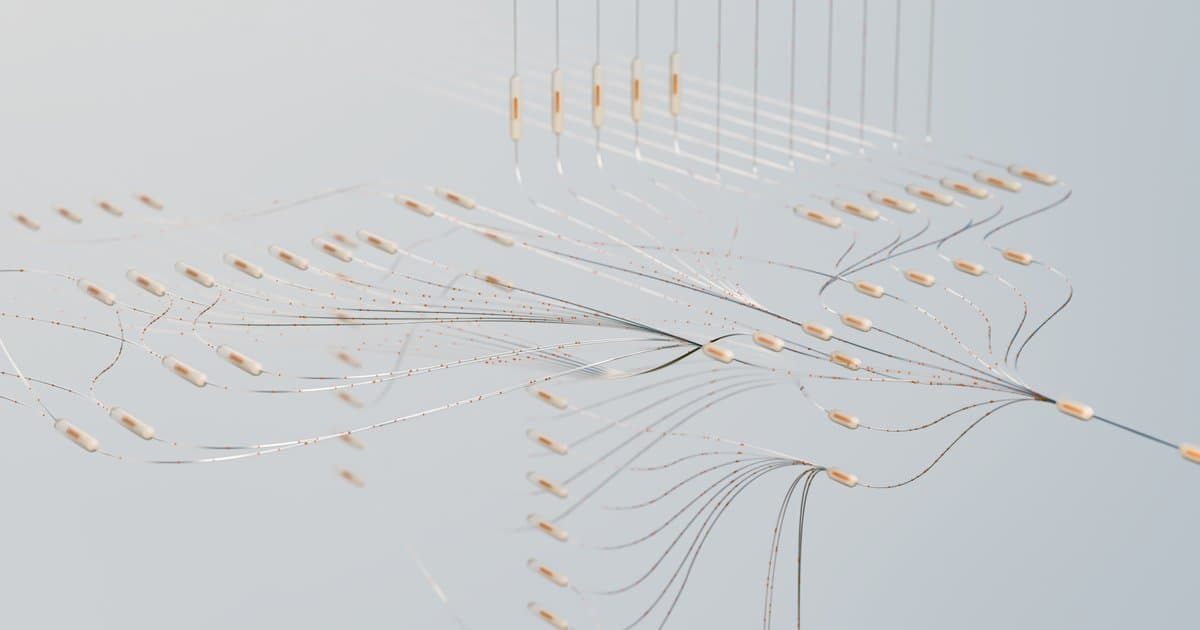
Recommendation systems are built to give you more of what you already respond to. That sounds harmless, even helpful, until you notice what it does over time. The system watches what you click, feeds you the nearest version of it, then watches again, tightening the loop with every pass. Your world does not expand, it narrows, with the walls closing in politely around your existing habits. You stop stumbling onto the thing you would never have searched for, because the system only knows how to show you more of the last thing. The result is a version of you that is easier to predict and, slowly, smaller than the one who used to go looking.
Something else disappears in the process, and that is genuine surprise. Think about how the things you love most probably found you. A song playing in a store that stopped you cold. A book pressed into your hands by someone who knew you well. A strange film you watched only because the theater had nothing else on. Those moments came from friction and chance, from a world that was not curated to your profile. A system optimized to keep you comfortable will rarely hand you the jarring, unfamiliar thing that turns into a favorite, because unfamiliar things are risky and risk lowers the odds you keep scrolling.
The stakes are not only personal. When millions of people are fed by the same systems tuned to the same signals, culture itself begins to flatten. Songs get written to survive the first few seconds a feed allows. Shows get shaped to be half watched on a second screen. The strange, slow, difficult work that needs time to find its audience struggles to get made at all, because it does not test well in a system built for instant response. We end up with more content than any generation in history and a creeping sense that it all sounds and looks the same. A culture that only feeds people what already works stops producing the things that change what works.
None of this means the tools are evil or that you should throw your phone in a drawer. It means you should keep a hand on the wheel. Go looking for something on purpose now and then, without a recommendation pointing the way. Ask a real person what they love instead of asking a feed. Sit with something that does not grab you immediately and see whether it grows on you. Let yourself be bored long enough to get curious. The algorithms are very good at giving you more of who you already are, and holding on to the ability to surprise yourself is how you stay someone worth recommending things to.