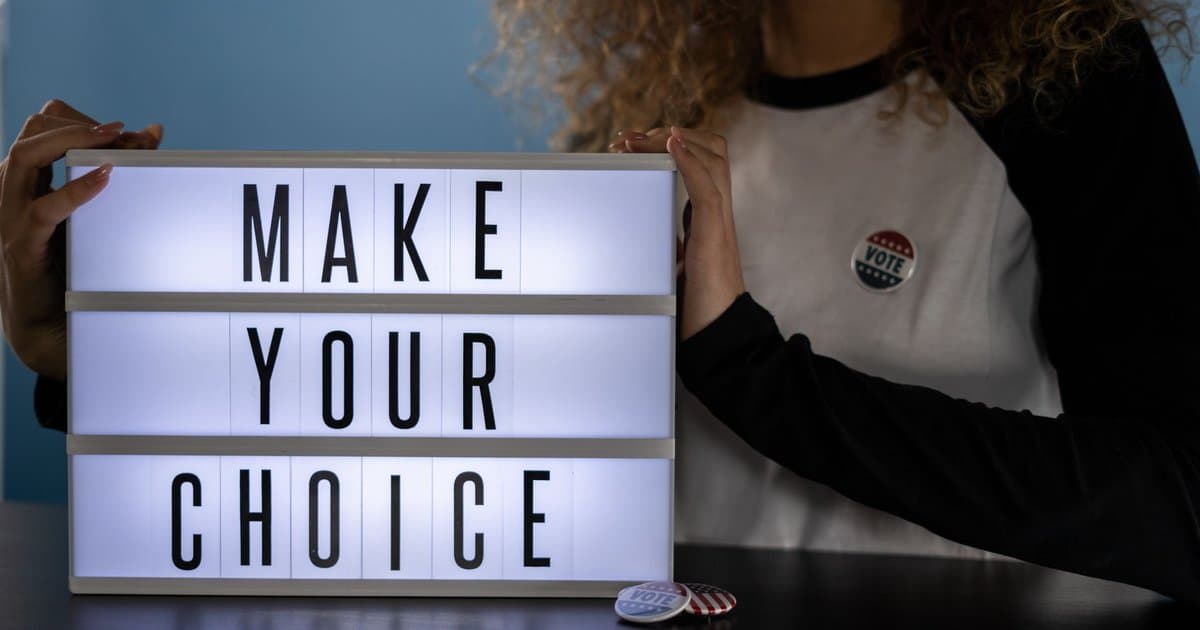
We have been sold a simple idea. More choice equals more freedom, and more freedom equals a better life. It sounds obviously true, and for a long stretch it usually is. Going from two options to five or ten is a real gain. The trouble starts when the menu never stops growing. Somewhere past a certain point, more options stop helping and start to weigh on us. The uncomfortable claim worth sitting with is that abundance can quietly make us less happy.
The most cited evidence comes from a grocery store and a table of jam. In a well known study, researchers set out either 24 jams or 6 jams for shoppers to sample. The big display drew a bigger crowd, as you would expect. But the small display sold far better in the end. Shoppers who saw six jams bought at a rate many times higher than those who saw twenty four. Faced with too many choices, most people admired the spread and then walked away empty handed. The abundance looked appealing and quietly killed the sale.
There is a plain reason this happens inside our heads. Every option added to a decision carries a small mental cost. You have to compare, weigh trade offs, and imagine what each pick would feel like. A few options make that easy, and a flood of them makes it exhausting. Psychologists call the drained feeling decision fatigue, and it is real. By the end of a day full of tiny choices, willpower and judgment both sag. The more the menu grows, the heavier each small decision becomes.
Big menus do something else that is easy to miss. When you pick from five options, the road not taken is short. When you pick from fifty, you are haunted by all the ones you passed over. Even a good choice starts to feel like a possible mistake. The more alternatives you rejected, the more room there is for regret. High expectations make it worse, because a huge selection promises a perfect answer. When the pick turns out merely fine, the gap between hope and reality stings.
The way we search matters as much as the number of options. Some people try to find the very best possible choice every time, and researchers call them maximizers. Others settle for the first option that clears their bar, and those are satisficers. Maximizers tend to squeeze out slightly better outcomes on paper. Yet they report more regret, more second guessing, and less satisfaction with what they chose. Satisficers decide faster, move on, and enjoy the result more. In a world of endless options, the maximizer pays the higher emotional price.
This idea deserves an honest caveat, because it is not a law of nature. Later researchers tried to repeat the jam study and got mixed results. The size of the effect depends on the situation, the stakes, and the person. Choice is not the villain, and scarcity is no prize either. The point is not that options are bad but that they have a ceiling. Past that ceiling, adding more stops paying off and starts to cost. Naming that ceiling is more useful than pretending it does not exist.
You can act on this without shrinking your life. Set simple rules that trim the menu before you reach it. Decide in advance what matters, then pick the first option that clears the bar. Give small choices small effort and save your energy for the ones that count. Limit the aimless scrolling that turns a movie night into an hour of browsing. Once you choose, stop reopening the question and comparing against everything you skipped. Protecting your attention is often worth more than squeezing out a slightly better pick.
Freedom of choice is a genuine good, and none of this argues for less of it. The argument is about knowing when more stops serving you. A culture that treats every added option as pure progress misses the hidden bill. That bill is paid in time, in fatigue, and in the quiet sense that we could have done better. The happiest people are not the ones with the most options in front of them. They are the ones who choose well enough and then actually enjoy the choice. Sometimes the freest move is to close the menu and commit.