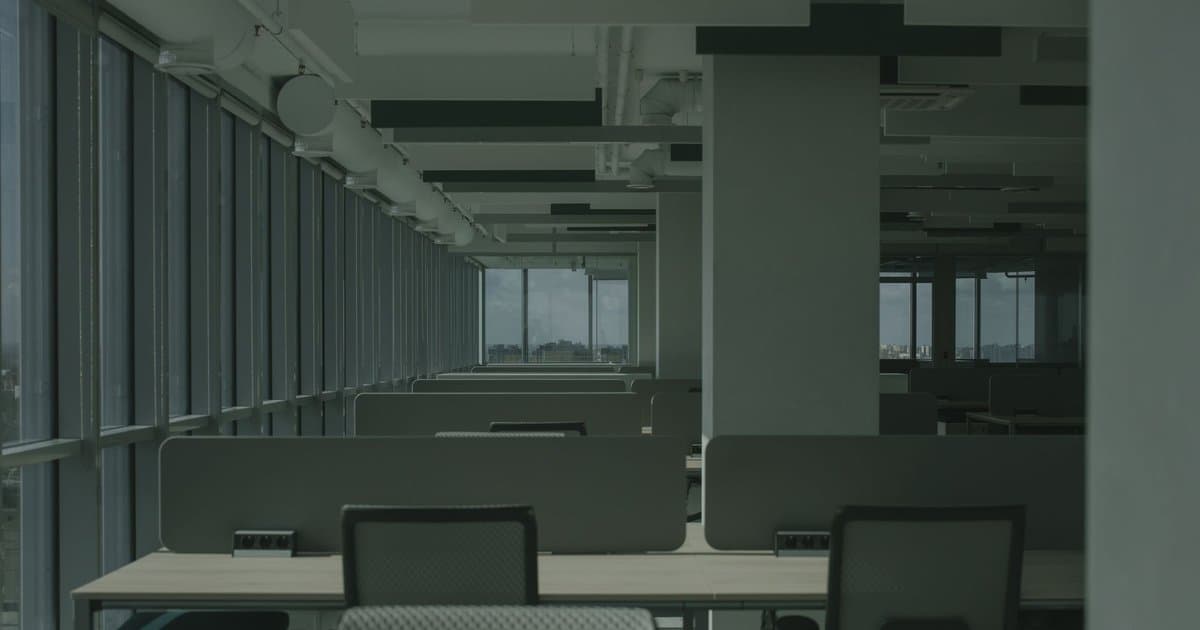
The open office was supposed to be the future of work. Knock down the walls, pull out the cubicles, and watch ideas fly across the room. For two decades, companies have poured money into long shared tables and glass everything, all in the name of collaboration. There is only one problem with that tidy story. When researchers actually measured what happened, the open office often delivered the opposite of what it promised. It has quietly become one of the most expensive workplace bets that simply did not pay off.
The pitch was easy to love. Tear down the barriers and people will bump into each other, trade quick ideas, and build on the fly. Managers pictured a flatter, friendlier space where a junior hire could catch a senior leader between meetings. Cost played a role too, since packing more people into fewer square feet saves real money. The vision blended togetherness and efficiency into one clean promise. On a slide deck, it looked like everyone would win. The trouble showed up only once the walls were actually gone.
The most striking evidence came from a pair of researchers at Harvard who studied companies before and after they went fully open. They expected to find more of the promised face to face chatter. Instead, in person interaction dropped by roughly seventy percent once the walls came down. At the very same time, email and instant messages climbed noticeably. In other words, people did not talk more when they could see each other. They talked less in person and moved their conversations onto a screen. The open floor pushed workers apart rather than pulling them together.
The reason is a quirk of human nature that the design simply ignored. When you can be seen and heard by everyone around you, you do not feel more social. You feel exposed. So people build invisible walls to replace the real ones they lost. They slip on headphones, stare hard at a monitor, and send a message rather than say something out loud that the whole row can hear. A private word becomes a public event, so many words never get spoken at all. The very openness meant to spark connection quietly discourages it.
Then there is the cost to plain focus, which may be the steepest price of all. Most modern jobs run on concentration, the kind that needs a stretch of quiet to take hold. Open floors serve up a steady stream of noise, movement, and interruption instead. Research on attention finds that once you are pulled off a task, it can take twenty minutes or more to fully drop back in. Multiply that by a dozen interruptions a day and the lost hours become staggering. Workers are not lazy when they hide in a stairwell to finish a report. They are chasing the focus that the office took away from them.
Health belongs in this conversation as well. Sharing one large room means sharing the same air, the same surfaces, and the same passing colds. Several studies have linked open plans to more reported sick days than enclosed offices. Stress tends to run higher too, driven by noise and the constant sense of being watched. A space that wears people down does not make them more productive. It makes them more tired, more distracted, and more likely to call in sick. None of that ever showed up on the original cost savings spreadsheet.
It is worth being honest about why the open office really spread so fast. The loudest reason given was always collaboration, but the quieter reason was money. Fitting more bodies into less space cuts the rent bill, plain and simple. There is nothing wrong with saving money, but dressing up a budget decision as a bold idea about teamwork muddies everything. When the true goal is hidden, no one bothers to measure whether the stated goal was met. That is how a design can fail for years while nearly everyone keeps praising it. Naming the real driver is the first honest step toward fixing the space.
None of this is a plea to bring back the gray cubicle farm. The answer is not one giant room, and it is not a maze of little boxes either. It is choice. The strongest workplaces now mix open areas for the work that truly benefits from them with quiet rooms and private nooks for the work that does not. Some teams and some tasks really do thrive out in the open, and that is worth respecting. The mistake was treating one single layout as the answer for every person and every job at once. Give people a space that fits the work in front of them, and productivity tends to take care of itself.