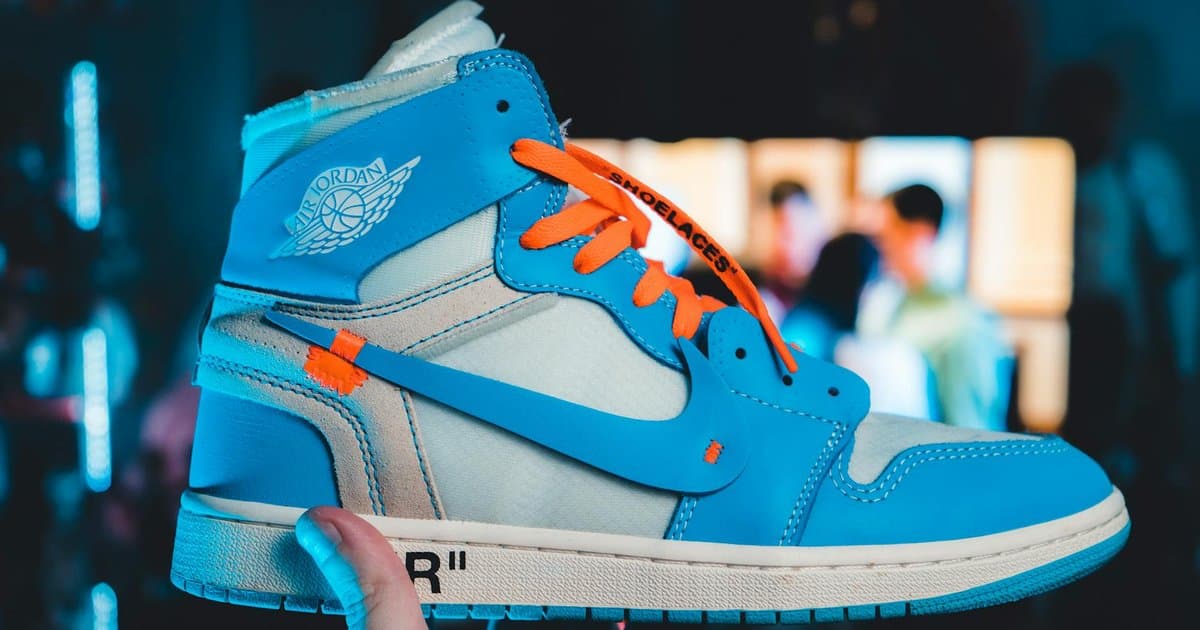
Sneaker culture started as something simple and personal. People loved certain shoes, lined up for them, traded stories about them, and wore them until they fell apart. Scarcity was part of the fun, because a limited release meant the pair on your feet was something not everyone could get. For a long time that scarcity rewarded the people who cared the most, the ones who knew the release dates and showed up early. Then resale platforms turned that scarcity into a financial instrument, and the whole game changed. The shoes stopped being just shoes and became assets to be flipped.
The mechanics of this shift are worth understanding because they explain who got squeezed. When a hyped pair drops in limited numbers, demand instantly outstrips supply, which means there is a gap between the retail price and what people will pay. Resale platforms made that gap visible, liquid, and easy to cash in on. A pair that sold for a couple hundred dollars at retail could be listed minutes later for several times that. Once that profit was reliable, the release stopped being a chance to buy shoes and became a chance to make money. The fans were now bidding against investors.
Bots made it worse, and fast. As soon as flipping became profitable, software showed up that could complete a checkout in milliseconds, far faster than any human tapping a phone. A drop that was supposed to reward the dedicated fan now rewarded whoever ran the best automated tools. Real people refreshed the page only to see the release sold out before it seemed to begin. The shoes were not gone because true fans bought them. They were gone because code bought them to resell at a markup. That is the quiet heartbreak of the modern drop.
The brands sit in a complicated spot in all of this. A thriving resale market is, in one sense, free marketing, because shoes that resell for triple their price look desirable and keep the brand in the conversation. Scarcity drives hype, and hype sells the next release. But it also means the brand is, in effect, leaving money on the table while resellers capture the difference. More importantly, it risks the loyalty of the everyday customer who can no longer get the product at the price it was listed for. When the people who built the culture feel locked out, the long term cost is harder to see on a quarterly report but real all the same.
What is genuinely at stake here is the relationship between the culture and the people in it. When a hobby becomes a market, the reasons people participate change. Some new fans arrived only because there was money to be made, and they will leave the moment the returns dry up. Meanwhile the person who just wanted one good pair to wear is priced out or forced to pay a reseller. The community language shifts from what looks good to what holds value, and resale price becomes the measure of a shoe instead of how it feels to lace it up. Something that was about expression starts to sound like a portfolio.
What happened to sneakers is not unique, and that is part of why it matters. The same pattern has swept through trading cards, concert tickets, and limited edition collectibles of every kind, where resale platforms turned fandom into speculation almost overnight. Once a community has a live price feed, the conversation tilts toward value and away from love of the thing itself. The people who get hurt are always the same, the ordinary fans who just wanted to take part at the listed price. For sneakers specifically, the everyday buyer still has moves, like building relationships with local shops, entering official raffles, and waiting out the hype on shoes that eventually restock. Patience has quietly become the cheat code, because most hyped pairs lose their premium once the frenzy fades. The shoe you wanted at retail is often available near retail a year later, minus the panic.
There are signs of a correction, and they are worth watching. Plenty of longtime fans have grown tired of the flipping economy and have shifted toward beaters they actually wear, vintage finds, and brands that release more openly. Resale prices on many once untouchable models have softened as the hype cycle matured and supply caught up. Some brands have experimented with raffles, wider releases, and verification meant to put pairs on the feet of people who want them. The market will not disappear, and there is nothing wrong with someone selling a pair they no longer want. But the healthiest version of this culture is the one where wearing the shoes matters more than flipping them, and where a kid who loves a release can still get one without competing with a machine.